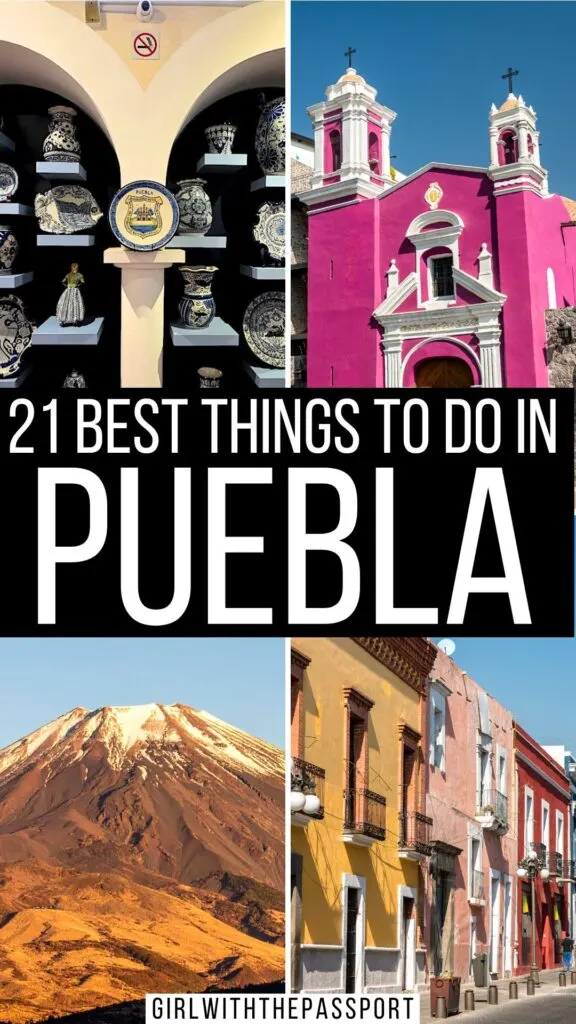
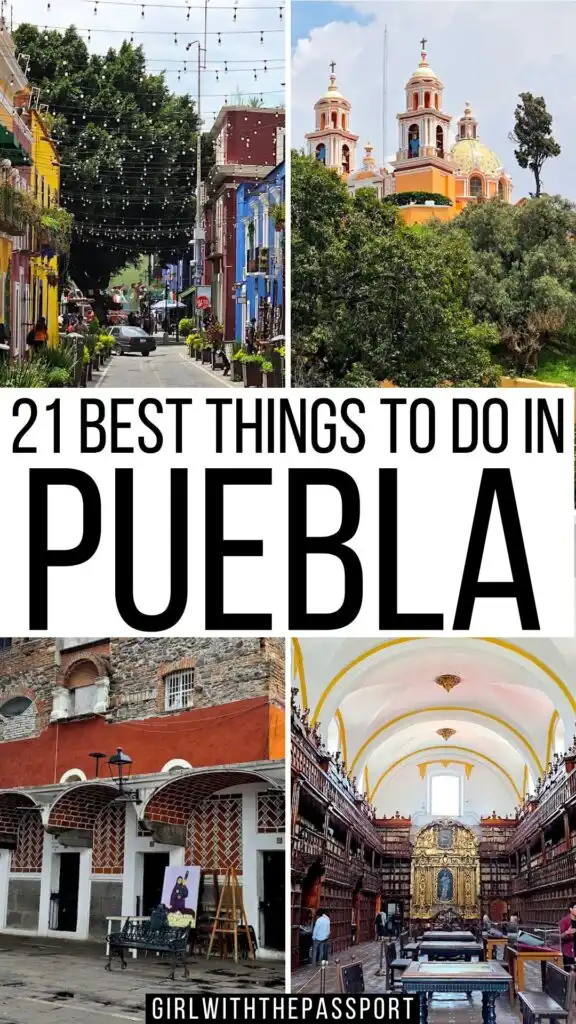
Whether you’re planning a quick weekend getaway from Mexico City or enjoying a longer trip through central Mexico, you’ll want to know all about the best things to do in Puebla, Mexico.
After all, Puebla is famous for its colorful streets, stunning architecture, and food that is to die for (yes, I’m talking about the mole poblano).
But with so many options, it can be hard to know where to start when planning a Puebla itinerary.
See, during my first visit, I spent hours scrolling through endless “must-do” lists, only to arrive and realize that half of them didn’t fit the vibe I was looking for.
Some guides skipped cool local experiences, while others overlooked some of the super cool highlights that make Puebla great.
That’s why after several visits and plenty of trial and error, I’ve put together this epic guide to the top attractions in Puebla, Mexico.
As someone who has wandered through Puebla’s historic center and sampled everything from street tacos to top-notch cuisine, I’ve created this list so that you don’t miss a thing.
So, grab a cup of coffee (maybe even a frothy Puebla-style café de olla), and let’s dive into this mega epic guide to all things Puebla.
This post may contain affiliate links. Please see my disclosure for more information. As an Amazon Associate, I earn a small commission from qualifying purchases.
1. Try Pipian at Coco y El Alacrán Café

If you’re looking for a spot that perfectly blends authentic flavors, friendly vibes, and great prices, Coco y El Alacrán café is hands down one of the best things to do in Puebla, Mexico.
I visited this café multiple times during my last visit, and every experience left me more impressed than the last.
It’s one of those places that makes you feel instantly at home, thanks to the welcoming staff who always greet you with a smile.
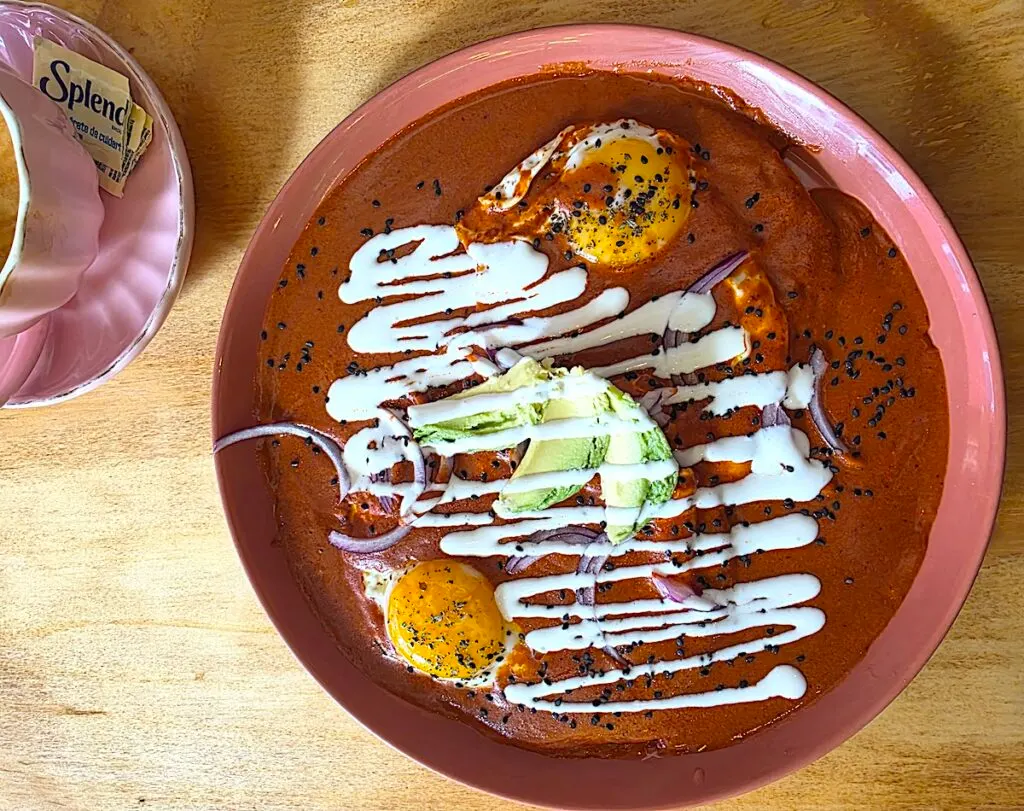
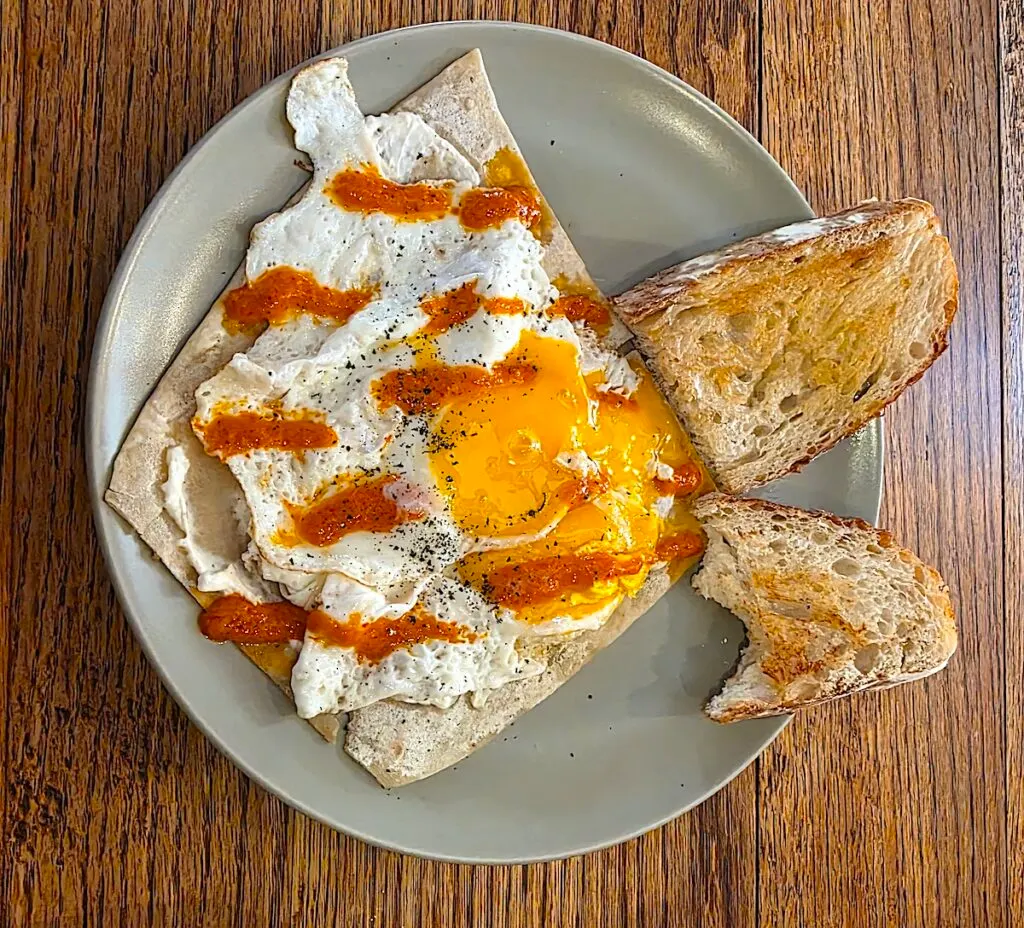
The food here is nothing short of fantastic, and the prices make it even better. One of the standout dishes for me was the pipian, a traditional Poblano sauce that’s a little less famous than mole.
However, it’s just as delicious. I ordered it with my eggs, and it was rich, flavorful, and unforgettable.
Another favorite? The molletes. The perfectly toasted bread is topped with beans and melted cheese, served in that comforting, hearty way that only Mexican cafés can pull off.
I also slathered their spicy green sauce all over everything and have absolutely ZERO regrets.
2. Walk Around the Zocalo

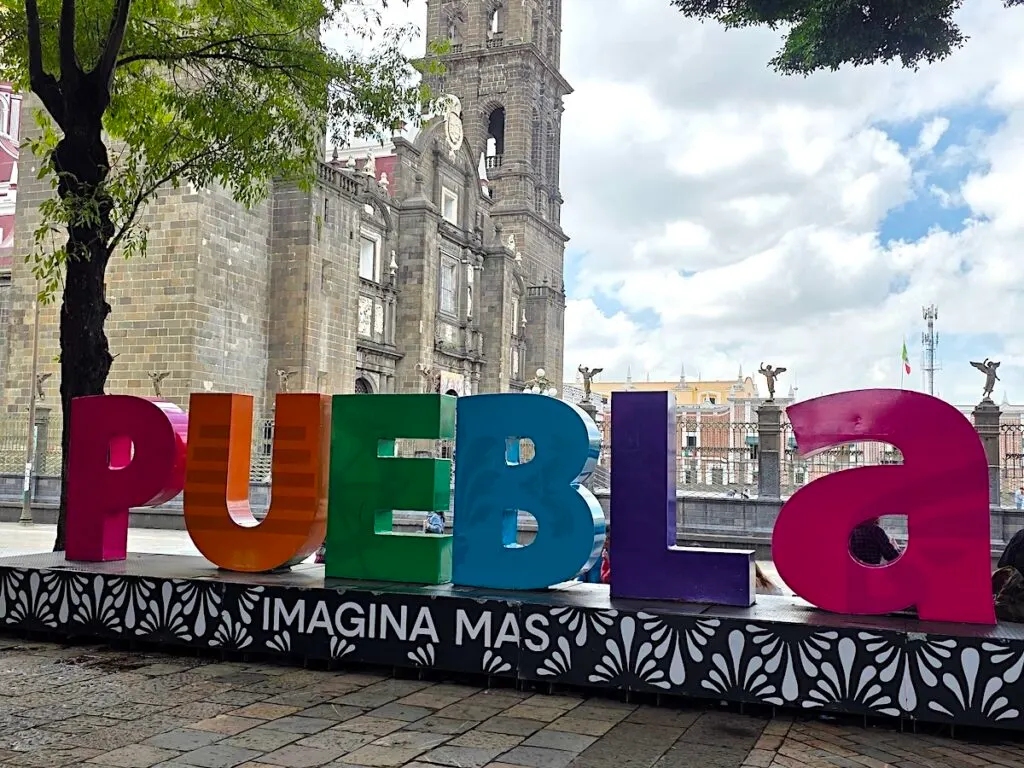
The Zócalo is one of the first places every traveler should visit. See, this lively square has been the center of Puebla’s social and cultural life for centuries, a trend that continues to this day.
Surrounded by colonial buildings, colorful cafes, and the majestic Puebla Cathedral, the Zócalo is the perfect place to soak up the city’s atmosphere, people-watch, and get a real sense for local life.
Whether you’re stopping for a coffee at one of the sidewalk cafés or just walking beneath the shade of the trees, it’s a place that captures the soul of Puebla.
What makes the Zócalo extra special is how it constantly hosts special events and exhibits.
During my last visit, I was lucky enough to catch a free art exhibit by César Menchaca right in the square. The focus was sea life, and the installations were bright, imaginative, and stunningly detailed.
3. Grab a Pastry from Bakery Cafe

Before we continue any further, yes, Bakery Cafe is the actual name of this place. Anyway, I was randomly walking around Puebla and totally stumbled upon this place.
I wanted an almond croissant, but all they had was this almond and apple-filled croissant that sounded kind of gross. However, I was craving a pastry and decided to get it anyway.
Well, holy Hannah, thank God I did because that pastry was flipping awesome. It was so light, flaky, and flavorful that I went back again the very next day.
The coffee and savory breakfast plate were not great, but the pastries TOTALLY hit the spot.
So, be sure to stop by if you’re craving something sweet and feel like you would kill for a decent croissant in Mexico.
4. Visit Puebla Cathedral

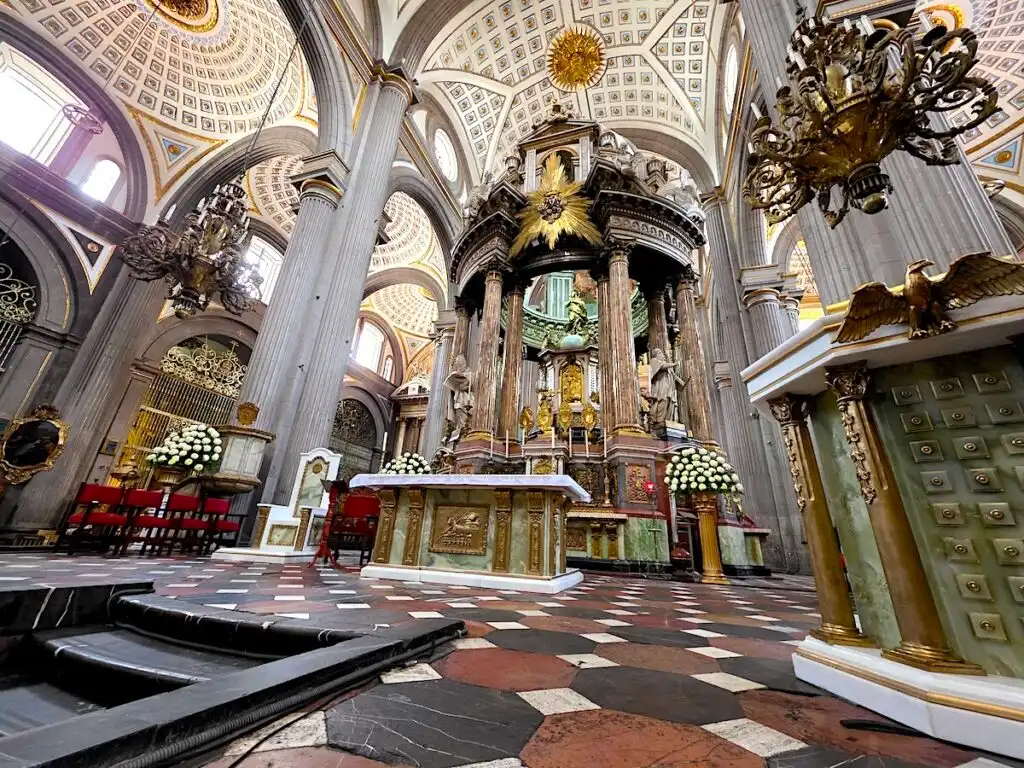
Puebla Cathedral is one of the city’s most iconic landmarks and absolutely one of the best things to do in Puebla, Mexico.
Towering over the Zócalo with its elegant baroque façade and twin bell towers, the cathedral is a masterpiece of colonial architecture.
Its construction began in the 16th century and was finally completed in the 17th century, making it not just a place of worship but also a living piece of Puebla’s history.
From the moment you step inside the Zocalo, the cathedral commands attention with its sheer scale and intricate stonework.
Once inside, the beauty continues. The soaring ceilings, ornate altars, and golden details reflect the wealth and artistry of colonial Puebla.
One of the highlights is the stunning main altar. It was designed by Manuel Tolsá and stands out as the centerpiece of the cathedral.
Whether you’re religious or simply an admirer of history and art, the cathedral will leave you with a profound sense of awe.
5. Explore Biblioteca Palafoxiana

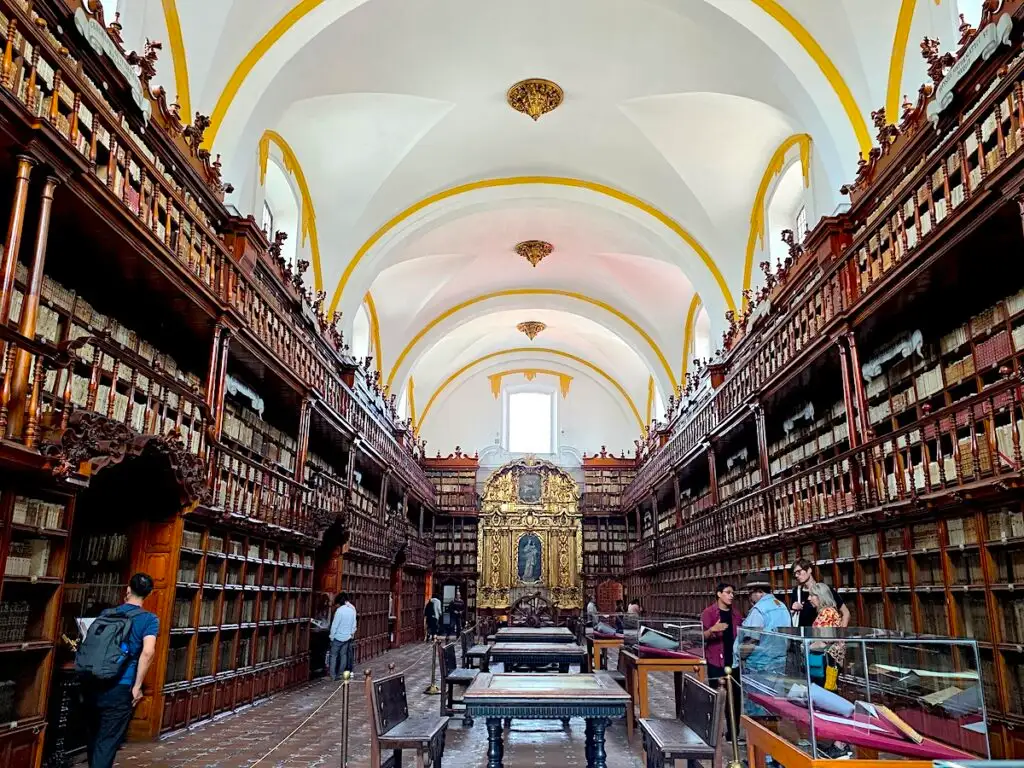
Biblioteca Palafoxiana isn’t just one of the most beautiful places in Puebla. It’s also one of the most important libraries in the Americas.
Founded in 1646 by Bishop Juan de Palafox y Mendoza, it holds the title of being the first public library in the New World.
Walking through the grand wooden shelves lined with more than 40,000 different books feels like stepping back in time.
Honestly, it’s easy to see why it’s often described as a hidden gem in Puebla’s historic center.
But what makes this library truly special is the atmosphere. The carved wooden bookcases, the antique globes, and the centuries-old manuscripts create a space that feels both sacred and inspiring.
Even if you’re not a book lover, you can’t help but be struck by the weight of history contained within its walls.
Every corner whispers stories of scholars, priests, and explorers who once pored over these very texts.
The last time I was here, they also had a really fascinating exhibition about the books inside the library and this building’s unique history.
Sadly, though, I’m not sure if this display is around all the time or if it was just set up to celebrate the anniversary of the library.
6. Try Mole Poblano

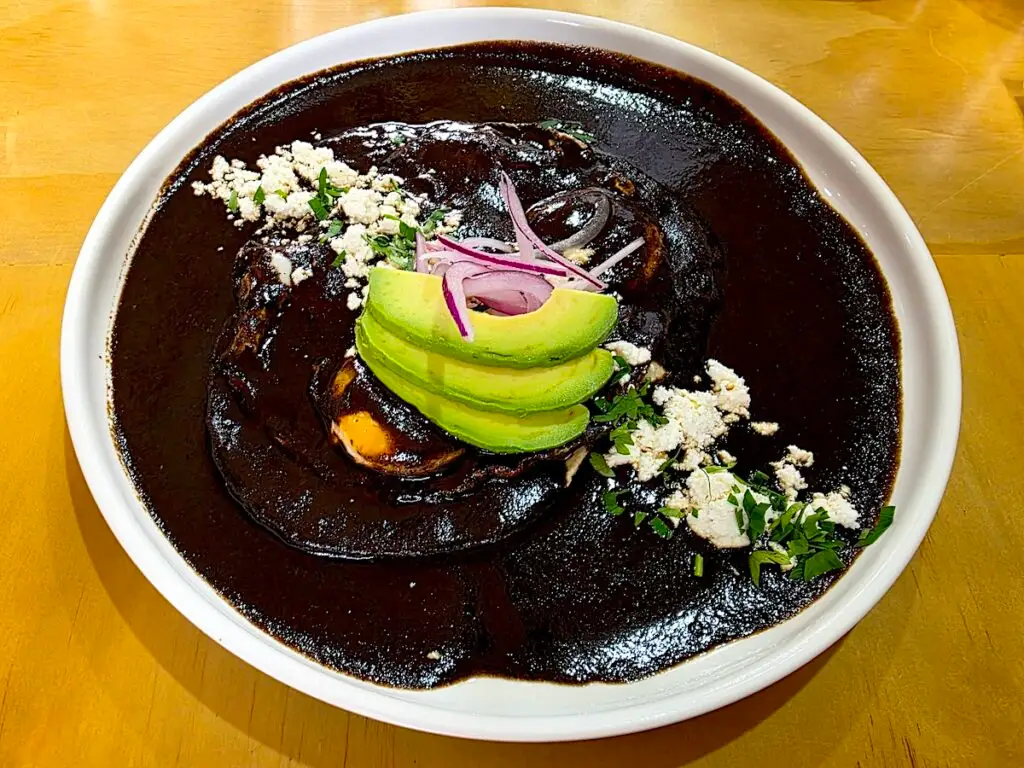
Mole poblano is one of Puebla’s most famous culinary creations and is also one of Mexico’s most iconic dishes.
Rich, complex, and deeply flavorful, it’s often considered the country’s national dish.
What makes mole poblano so special is the balance of flavors. It’s savory, slightly sweet, a little spicy, and layered with incredible depth.
The sauce is traditionally made with a blend of dried chilies, nuts, seeds, spices, and yes, even a touch of chocolate, all ground together and simmered into a velvety, dark sauce that’s usually served over chicken or turkey.
The preparation of mole poblano is an art form in itself. Recipes can include more than 20 ingredients, each toasted or roasted before being combined together.
Plus, every family or chef has their own unique variation. The result is a dish that tells a story of Puebla’s history, blending indigenous ingredients with Spanish influences to create something unforgettable.
In Puebla, you’ll find mole poblano everywhere. For a traditional experience, head to El Mural de los Poblanos, where the mole is as authentic as it gets.
Or, head to local markets like Mercado El Carmen for a more down-to-earth experience.
7. Visit the Amparo Museum

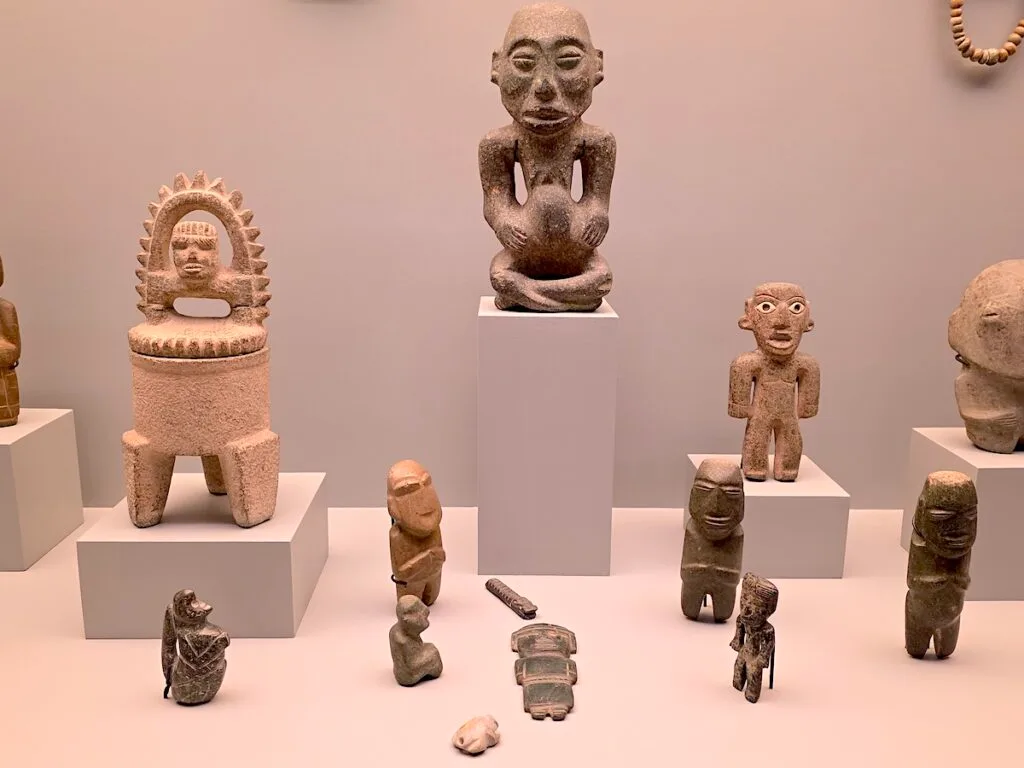
The Amparo Museum is one of Puebla’s cultural treasures and a must-see while you’re in the city.
Housed inside a beautifully restored colonial-style building, this museum blends history, art, and modern design in a way that makes it appealing to both casual visitors and serious art lovers.
What sets the Amparo apart is an impressive collection that spans centuries, featuring everything from pre-Hispanic artifacts and colonial art to contemporary Mexican works.
As a result, walking through the galleries here feels like going on a journey through Mexico’s past and present, with each room offering a new perspective on the country’s identity.
One of the highlights is the museum’s pre-Columbian collection, which is considered one of the most important in Mexico.
The detailed sculptures, ceramics, and artifacts showcase the richness of the region’s ancient cultures.
Equally fascinating are the contemporary exhibitions, which often feature bold and thought-provoking works by modern Mexican and international artists.
Beyond the exhibits, the Amparo also has a stunning rooftop terrace with one of the best views of Puebla’s historic center and surrounding volcanoes.
8. Walk Down Calle de Los Dulces

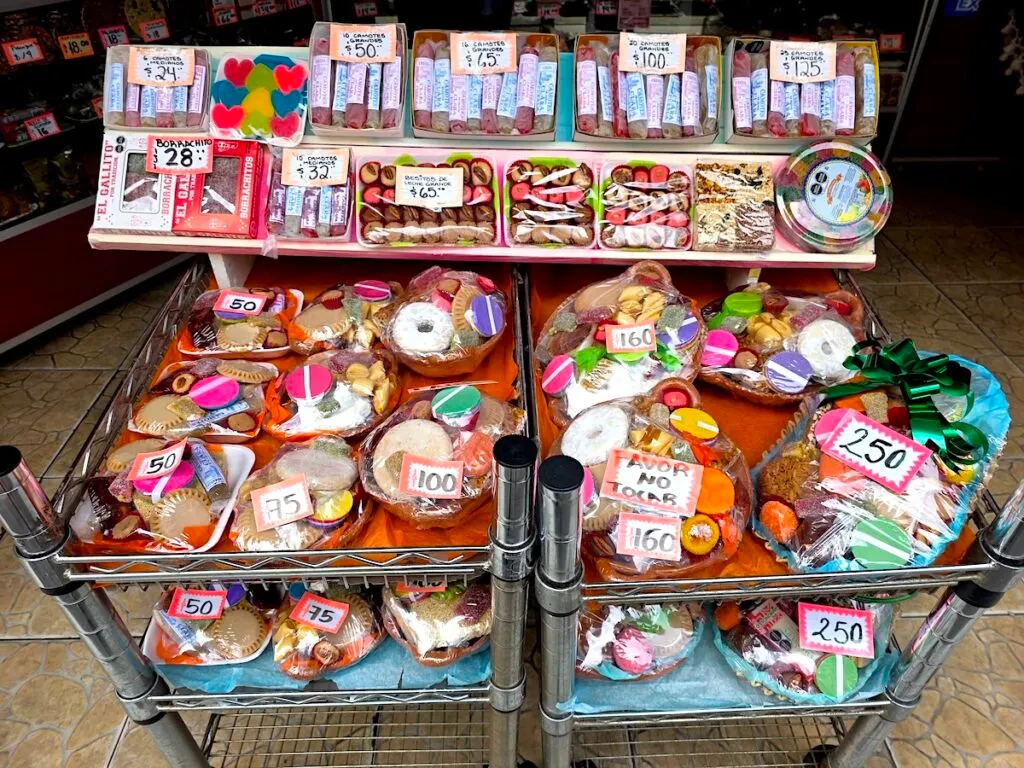
Calle de los Dulces, or “Sweet Street,” is officially known as Calle 6 Oriente.
However, this charming street got a nickname because it’s lined with candy shops that have been selling traditional Poblano sweets for generations.
Walking down the street feels like walking through a living tradition, with colorful displays, the smell of sugar and fruit in the air, and shopkeepers offering samples to get you to step inside.
It’s the perfect place to pick up edible souvenirs and to taste flavors that are deeply tied to Puebla’s history.
Two sweets you absolutely must try are camotes and tortitas de Santa Clara. Camotes are sweet potato-based candies flavored with fruit like strawberry, orange, or pineapple.
They’re soft, chewy, and uniquely Poblano. Believe it or not, they were created during colonial times as a way to combine local ingredients with European techniques.
On the other hand, tortitas de Santa Clara are delicate shortbread-like cookies topped with a glossy pumpkin seed glaze.
They were invented by nuns in Puebla’s convents and remain one of the city’s most iconic treats.
9. Shop at El Parian Market


El Parián Market is one of the coolest places in Puebla, especially if you love browsing for local crafts and soaking up authentic culture.
This colorful market in the center of the city has been around since the 18th century and remains a lively hub for artisans and shoppers alike.
As you wander through the cobblestone streets, you’ll find stalls overflowing with hand-painted Talavera pottery, embroidered textiles, wooden toys, leather goods, and countless other handmade treasures.
It’s the perfect place to pick up Mexican souvenirs that are both beautiful and meaningful.
What makes El Parián especially fun is the atmosphere. Musicians often play in the plaza, street performers add to the energy, and the vendors are friendly.
In fact, they’re happy to explain the history and techniques behind the unique crafts they are selling.
The market also has plenty of food stalls nearby. So, you can easily grab a snack—like a fresh chalupa or a sweet treat— after doing some shopping.
10. Explore Barrio del Artista

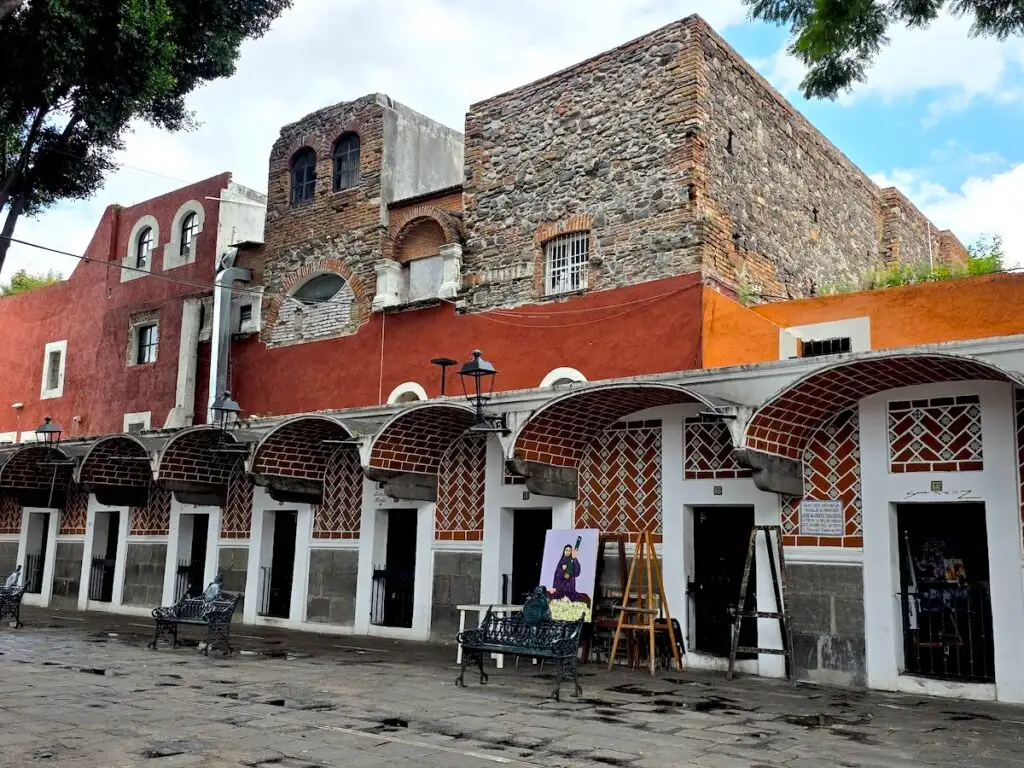
Barrio del Artista is one of Puebla’s most vibrant and inspiring neighborhoods since it is home to dozens of local artists’ studios and galleries.
As a result, you can see painters, sculptors, and craftspeople hard at work as they create displays full of their creations.
Walking through these vibrant streets, you’ll see murals decorating the walls, and small galleries inviting you in to explore unique pieces you won’t find anywhere else.
But what I really love about Barrio del Artista is its immersive atmosphere. It’s not just about observing art. It’s about experiencing the creative process firsthand.
Many artists are also happy to chat about their techniques or the inspiration behind their work, which adds a personal touch to your visit.
The area also hosts workshops, live demonstrations, and cultural events. So, there’s always something new and exciting to discover.
11. Try Chile en Nogada


Chile en Nogada is one of the city’s most iconic dishes and a true celebration of Mexican flavors and history.
This festive dish features poblano chiles stuffed with a savory-sweet picadillo made from meat, fruits, and spices, all topped with a creamy walnut sauce (nogada) and sprinkled with pomegranate seeds.
The result is a stunning plate that’s as beautiful as it is delicious. It’s also famously tied to Mexico’s independence (the dish has the colors of the Mexican flag), making the dish delicious and traditional.
During my last trip to Puebla, I made it a point to seek out the best Chile en Nogada, and I wasn’t disappointed.
Sadly, this dish is seasonal. So, it’s usually only available from late summer through early fall. So, timing is everything.
But, if you’re here at the right time, one of my favorite places to try it is El Mural de los Poblanos. The flavors are rich, the presentation impeccable, and the history behind the dish is celebrated with pride.
Another great spot is Mesón Sacristía de la Compañía. They offer a more refined take on the classic recipe, but don’t lose any of the authenticity.
12. Visit a Talavera Workshop


Talavera pottery is one of Puebla’s most celebrated cultural treasures. So, seeing it up close is an experience every visitor should have.
This traditional ceramic art form dates all the way back to the colonial period, when Spanish artisans combined their techniques with indigenous craftsmanship to create distinctive, hand-painted pieces.
What makes Talavera so special is its meticulous production process. Each piece is made from a unique mix of clay, fired at high temperatures, and hand-painted with colors like cobalt blue, yellow, green, etc.
Every item—from tiles and plates to vases and decorative figurines—is a work of art, showcasing both skill and creativity.
In Puebla, there are so many ways to enjoy Talavera pottery beyond just looking at it in shops.
You can visit workshops to watch artisans at work, learning about the centuries-old techniques and even trying your hand at painting your own piece.
Alternatively, local markets like El Parián are filled with Talavera, perfect if you want to pick up an authentic souvenir.
Restaurants and hotels also often incorporate Talavera tiles into their décor. So, you’ll probably see this pottery beautifully integrated into daily life throughout the city.
Me? I went to the Talavera Museum. I really loved reading about how the pottery is made (they have signage in English) and seeing different styles of this unique form of art.
13. Do a Day Trip to Cholula

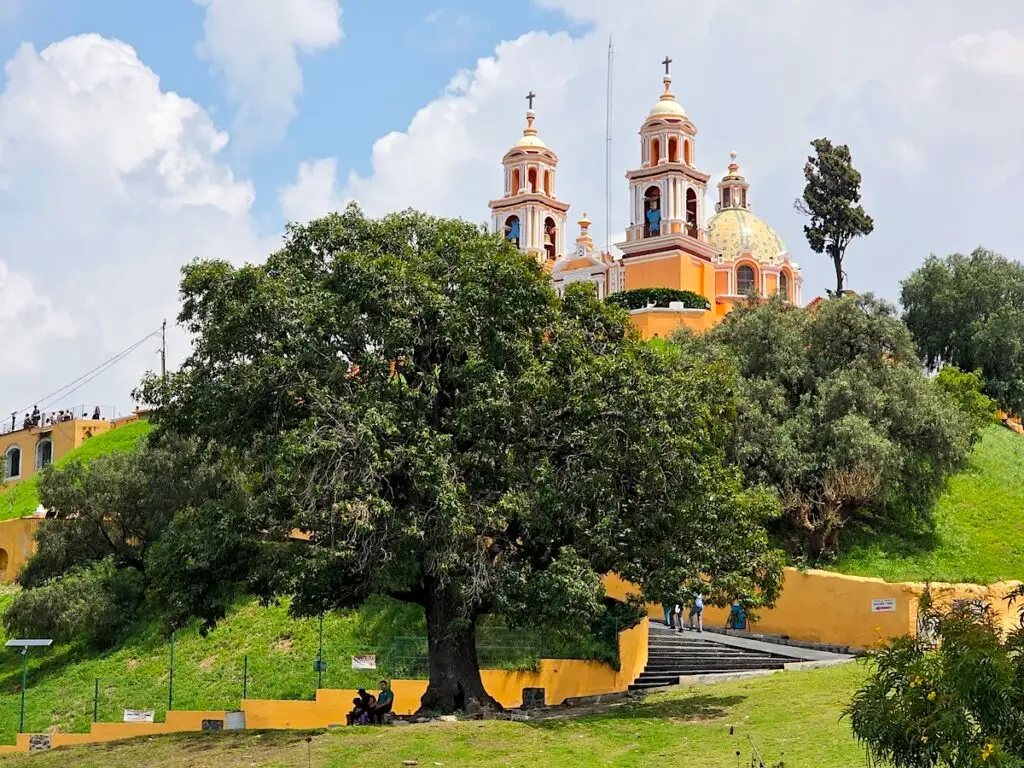
Visiting Cholula is one of the easiest and most rewarding day trips from Puebla.
Located about 20 minutes from Puebla by car or bus, Cholula is famous for its massive pyramid, vibrant streets, and colonial charm.
If you don’t have a car, buses and colectivos leave frequently from Puebla’s main bus stations and are an affordable, convenient way to get there.
I took the bus and it only cost 8 MXN each way. It also departed from the streets around Mercado Sabores and dropped you off right in the center of Cholula.
Once in Cholula, the must-see is the Great Pyramid of Cholula. It’s the largest pyramid in the world by volume.
You can explore the ruins at the base, admire the views from the top, and visit the Church of Our Lady of Remedies.
It was built atop the pyramid by the Spanish and offers breathtaking panoramic views of the valley below.
Please note, you can’t actually see the pyramid. It looks like a hill covered in grass. You can only really see ruins at the bottom since the pyramid can’t be excavated due to the potential for damage.
Aside from the pyramid, the town’s colorful streets are lined with beautiful churches, artisan shops, and cozy cafés where you can try local specialties like cemitas or chileatole.
The vibrant zócalo is also a great spot for a leisurely stroll before you head back to Puebla.
14. Marvel at the Capilla del Rosario inside the Templo de Santo Domingo

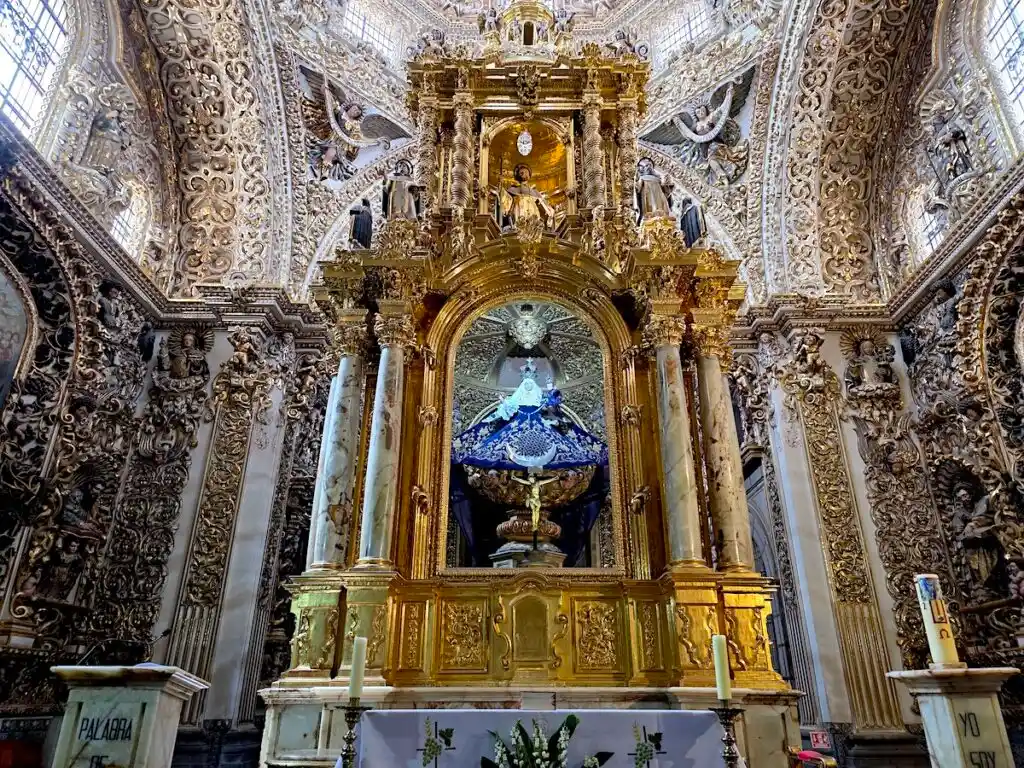
The Capilla del Rosario is located inside the Templo de Santo Domingo and is widely regarded as one of the most breathtaking examples of Baroque art in Mexico.
Built in the late 17th century, this chapel was intended to honor the Virgin of the Rosary, and its intricate design reflects both religious devotion and the extraordinary craftsmanship of Puebla’s artisans.
Walking inside, you are immediately struck by the lavish use of gold leaf, elaborate stucco work, and finely detailed altarpieces that cover nearly every surface.
The effect is dazzling, almost overwhelming in its beauty. Yet, it somehow feels harmonious rather than chaotic. Yup, talk about a true Baroque masterpiece.
What makes the Capilla del Rosario so special is the combination of artistry and history.
Every corner tells a story, from the delicate cherubs and floral motifs to the painted ceilings that draw your gaze upward.
It’s not just a visual feast but a window into Puebla’s colonial past, reflecting the city’s wealth, artistic innovation, and deep religious culture.
15. International Baroque Museum

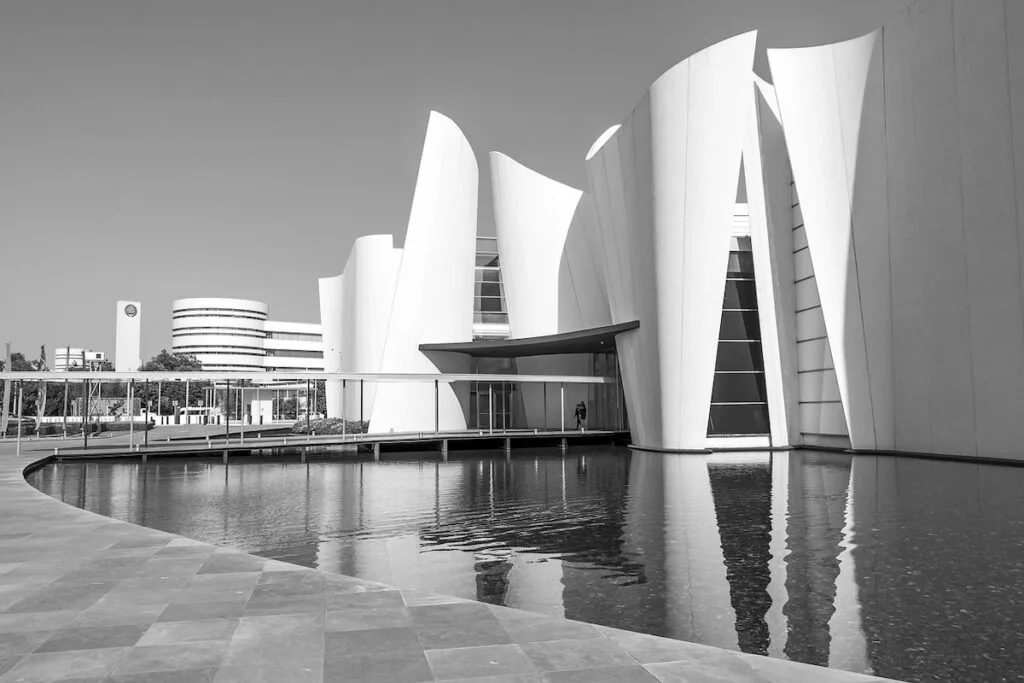
The International Baroque Museum (Museo Internacional del Barroco) is one of Puebla’s most impressive cultural landmarks.
As a travel blogger who’s spent several days exploring Puebla, I can say this museum is a must-visit for anyone interested in art, history, or architecture.
Designed by renowned Mexican architect Toyo Ito, the building itself is a masterpiece. Its futuristic, curvy structure contrasts beautifully with the historic city.
Inside, the museum showcases a diverse array of Baroque art from around the world, with an emphasis on Puebla’s own Baroque heritage.
The exhibitions include paintings, sculptures, decorative arts, and even immersive installations that bring the period to life in a way that feels modern yet respectful of tradition.
One of the highlights is the detailed exploration of Puebla’s colonial-era churches and the ornate treasures they house, giving visitors insight into why the city is considered a Baroque capital.
I loved my time here and cannot wait to bring friends here the next time I am in town. I just wish this epic museum was a little closer to town. SIGH.
16. Visit Barrio de Los Sapos


Barrio de los Sapos is one of the most charming and colorful neighborhoods in Puebla.
Known for its vibrant colonial buildings and bohemian vibe, this area comes alive every weekend with its famous antique market.
This is where vendors sell everything from vintage furniture and old books to handmade crafts and quirky collectibles.
Even if you’re not shopping, it’s fun just to wander along the cobblestone streets, browse the stalls, and soak up the lively atmosphere.
Beyond the market, Barrio de los Sapos is filled with cozy cafés, art galleries, and boutique shops that reflect Puebla’s creative spirit.
Street musicians often perform in the plaza, adding to the neighborhood’s laid-back, artsy energy.
It’s also a great place to grab a drink or enjoy dinner at one of the stylish bars and restaurants that light up the area at night.
17. Estrella de Puebla

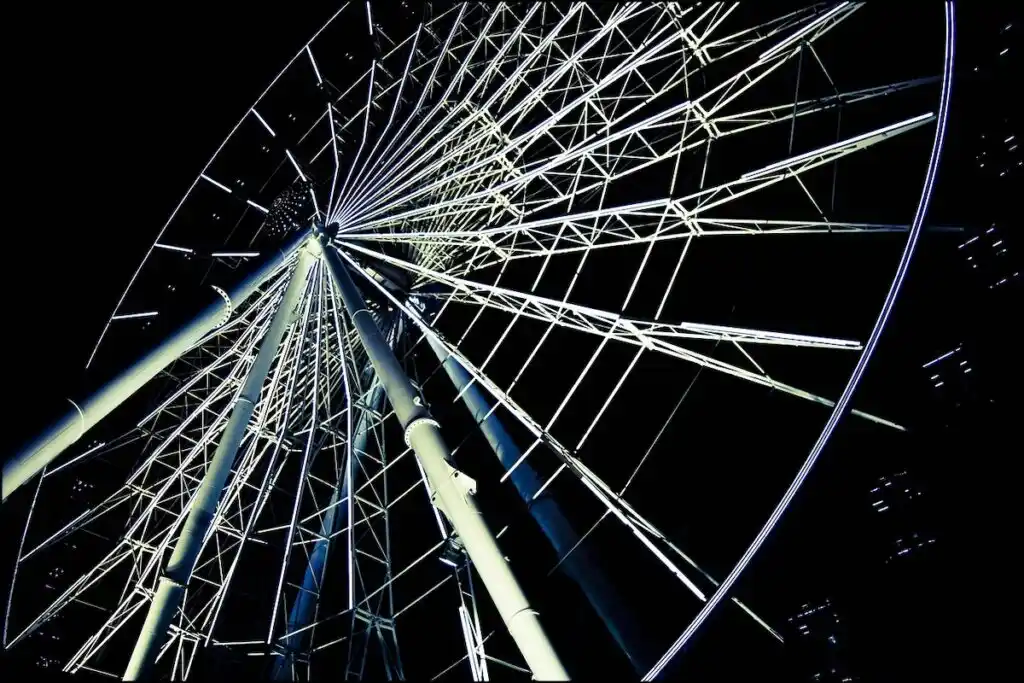
The Estrella de Puebla, Puebla’s giant ferris wheel, is one of the city’s most iconic modern attractions, especially if you like great views.
Standing at over 80 meters tall, this impressive structure offers visitors a breathtaking panoramic look at the city and its surroundings, including the majestic Popocatépetl and Iztaccíhuatl volcanoes.
Whether you ride it during the day or at night, the experience is equally unforgettable. After all, a daytime visit gives you a full view of Puebla’s skyline, while evening rides feature twinkling city lights.
Located in the Angelópolis district, one of Puebla’s most modern areas, the Estrella de Puebla is surrounded by parks, shops, and restaurants, making it a great spot to spend an afternoon or evening.
The ride itself is smooth and comfortable, with enclosed cabins that are perfect for everyone from families to couples to solo travelers looking for a peaceful moment high in the sky.
18. Ride the Teleferico
The Teleférico de Puebla is one of the most fun and scenic ways to experience the city.
After all, this uber modern cable car offers guests a bird’s-eye view of the city’s skyline, the surrounding mountains, and even volcanoes in the distance.
Stretching over 600 meters, the ride connects the area near the Centro Expositor with Los Fuertes, one of Puebla’s most historic and picturesque districts.
As you glide smoothly above the city, you’ll see Puebla from a completely new perspective and obersve a unique blend of old and new architecture.
At the top, you can explore Fuerte de Loreto and Fuerte de Guadalupe, two historic forts that played a key role in the Battle of Puebla, as well as parks, monuments, and museums in the area.
19. Explore Fuerte de Loreto and Furete de Guadalupe

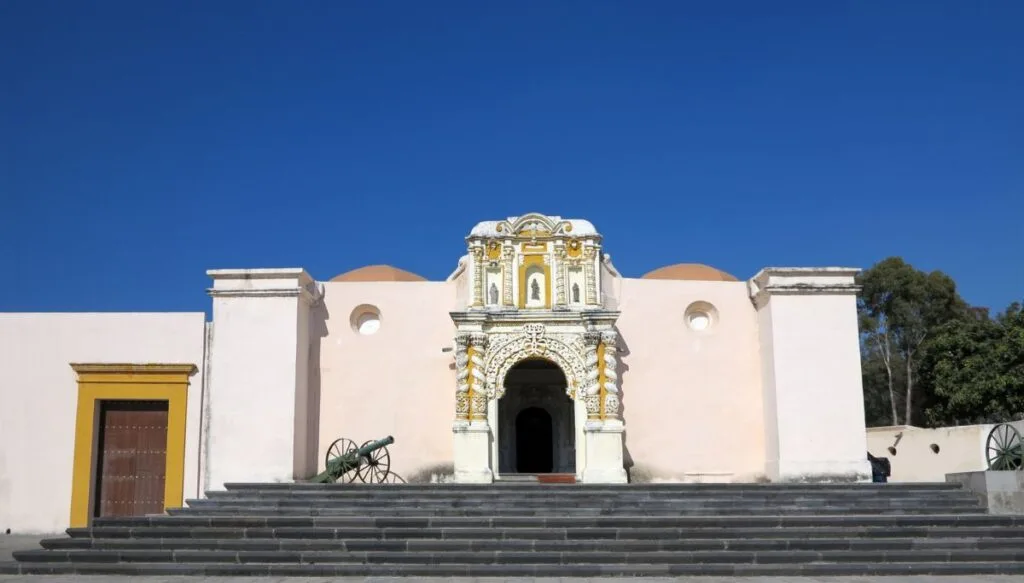
A visit to Fuerte de Loreto and Fuerte de Guadalupe is perfect for anyone who loves history, scenic views, and a bit of national pride.
As someone who’s explored these historic sites firsthand, I can say they’re more than just old forts, they’re symbols of Mexican resilience and history.
See, these twin forts sit atop the hills of Los Fuertes de Loreto y Guadalupe Park, offering panoramic views of Puebla and the surrounding volcanoes.
But, what truly makes them so special is their role in the Battle of Puebla on May 5, 1862.
It was here that the Mexican army, against all odds, defeated the French, creating an incredible moment that’s celebrated every year as Cinco de Mayo.
Walking through the grounds, you can feel that sense of pride and history.
The museums inside each fort also display a series of artifacts, weapons, and have detailed exhibits about the battle, helping you imagine what it must have been like on that historic day.
Beyond the history, the area is a beautiful place to go for a walk since there are manicured gardens, monuments, and benches everywhere.
20. Exolore the Tunnels of Puebla (Secretos de Puebla)
Exploring the tunnels of Puebla, aka the Secretos de Puebla, is one of the most fascinating and unique things to do in the city.
These underground passageways, hidden for centuries beneath the streets of Puebla, offer a mysterious glimpse into the city’s past.
Believed to date back to the 16th century, the tunnels were rediscovered only in recent years and are now open for visitors to explore.
Walking through them allows you to step into a cool, dimly lit labyrinth that once connected key points across the city, including forts, churches, and government buildings.
No one knows for sure exactly why the tunnels were built. However, theories suggest they were used for transporting troops and supplies during the Battle of Puebla.
Or, perhaps they were used as escape routes during times of conflict. Either way, they’ve been beautifully restored and now feature walkways, lighting, and displays that explain their history.
As someone who’s walked through these tunnels, I can say it’s a surreal experience that is like a history lesson combined with an underground adventure.
The mix of mystery, legend, and real-life archaeology makes it an attraction unlike any other in Puebla.
21. See Some Cool Street Art

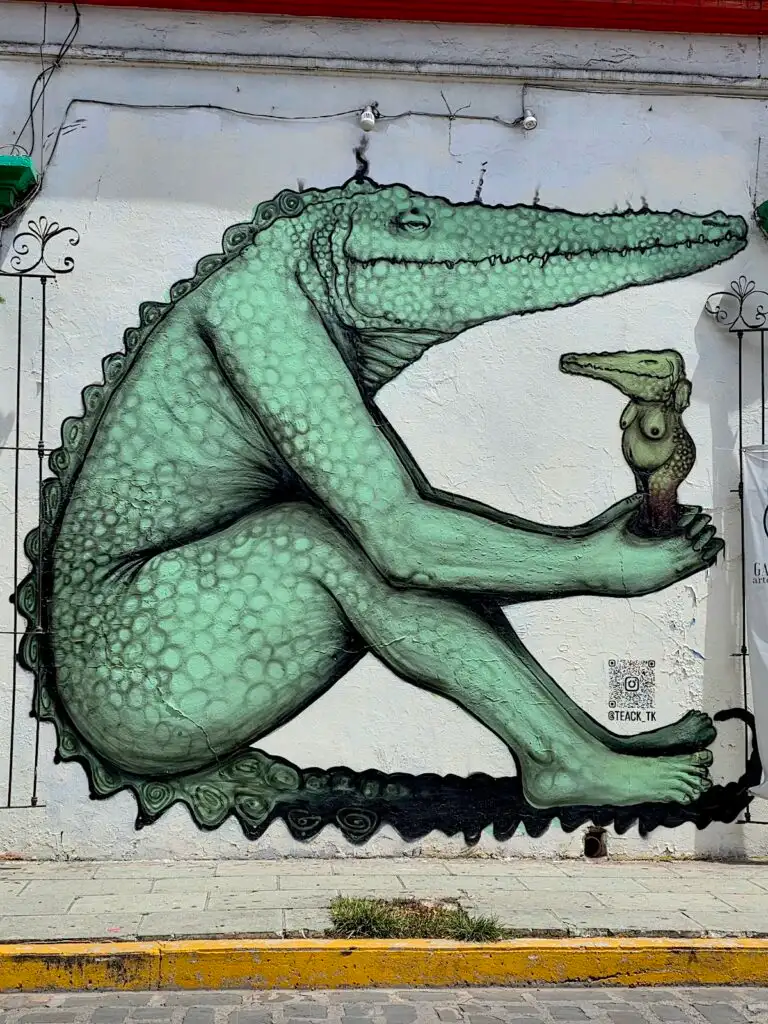
The street art in Puebla is one of the city’s coolest and most creative surprises.
While Puebla is famous for its colonial architecture and historic charm, its vibrant murals reveal a more modern, artistic side of the city.
You’ll find incredible street art scattered throughout the city, but some of the best spots are in the neighborhoods of Xanenetla and Los Sapos, where entire walls have been transformed into open-air galleries.
The Xanenetla Mural Project, in particular, showcases hundreds of murals painted by local and international artists.
These works depict everything from Mexican folklore and indigenous heritage to social commentary and contemporary designs.
Each mural tells a story, blending tradition and modern expression in a way that feels uniquely Poblano.
What makes exploring Puebla’s street art so special is how it connects you to the local community. You’re not just looking at art, you’re walking through it.
The colors, creativity, and cultural pride on display turn everyday streets into unforgettable experiences.
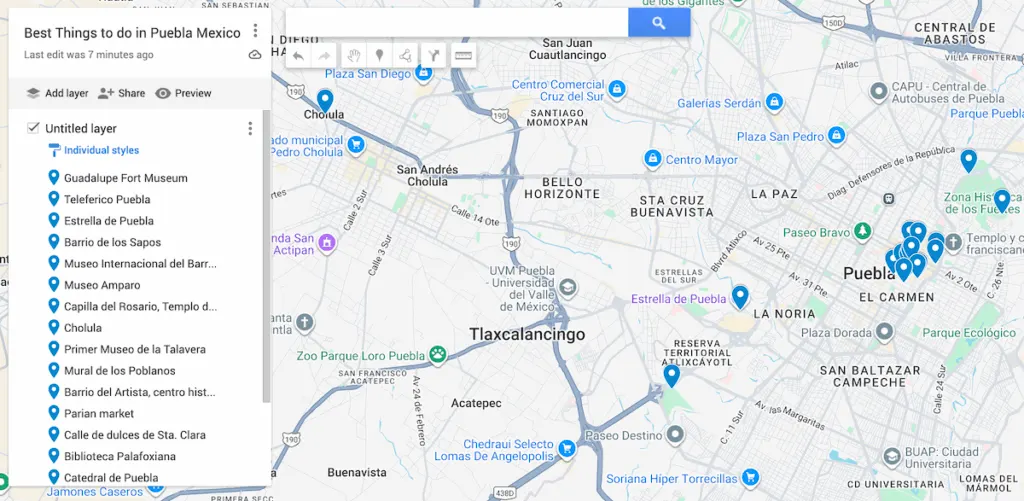
Map of the Best Things to Do in Puebla, Mexico

Conclusion
After several trips to Puebla, I can honestly say this city always amazes me.
From its rich history and jaw-dropping architecture to its irresistible food and colorful neighborhoods, Puebla is the kind of place that captures your heart.
You can spend the morning exploring ancient tunnels, the afternoon admiring Baroque masterpieces, and the evening savoring mole poblano while the cathedral glows in the background.
What I love most about Puebla is how it perfectly balances the old and the new.
You’ll wander along cobblestone streets lined with centuries-old buildings, then stumble upon modern art museums and trendy cafés serving locally roasted coffee.
It’s authentic, accessible, and bursting with vivacious spirit around every turn.
So, whether you’re here for a weekend getaway or a longer trip, get ready to fall in love with Puebla’s charm.
Take your time, talk to the locals, and don’t be afraid to get a little lost. After all, you never know what hidden gem you just might find.