
In 2026, options when it comes to travel are generally pretty wide open. However, routes are increasingly crowded, as discount airlines and reduced ticket prices lead to the rapid rebound of global aviation.
I mean, the number of people taking to the skies is closing in on pre-pandemic records once again, with forecasts suggesting that passenger volumes could reach 9.8 billion travelers in 2026.
This surge has created an environment where travelers who crave autonomy are discovering alternatives that will allow them to travel on their own terms.
Several innovations this year are transforming the travel industry in subtle ways, and let’s examine them together now.
Fast-Track Security and Biometric Boarding
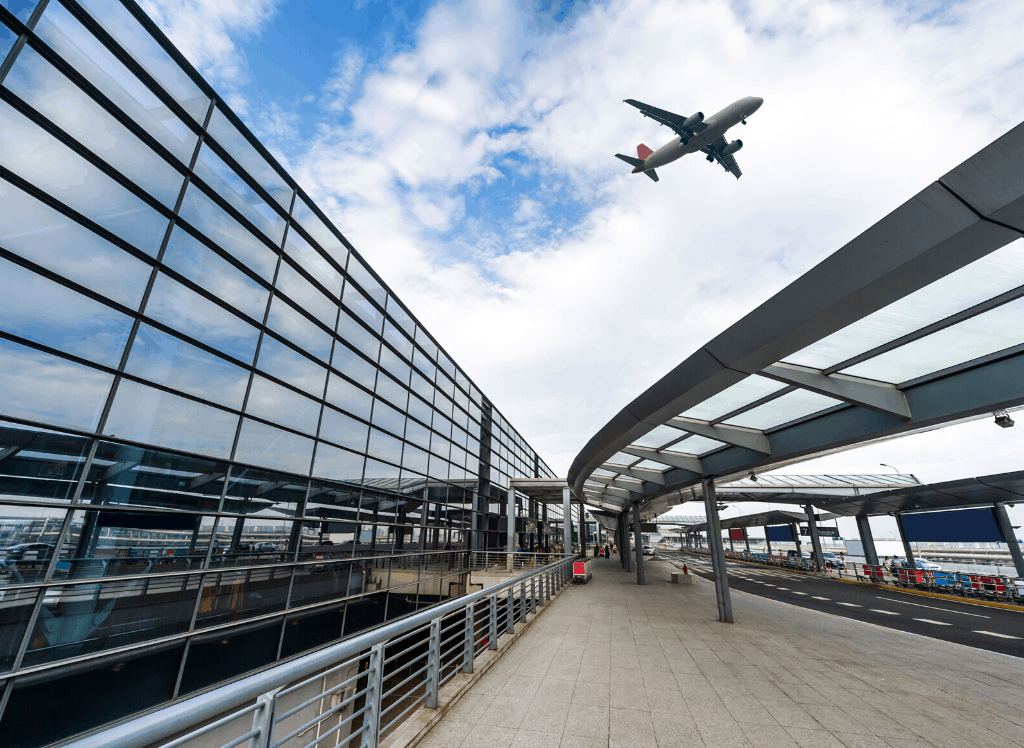
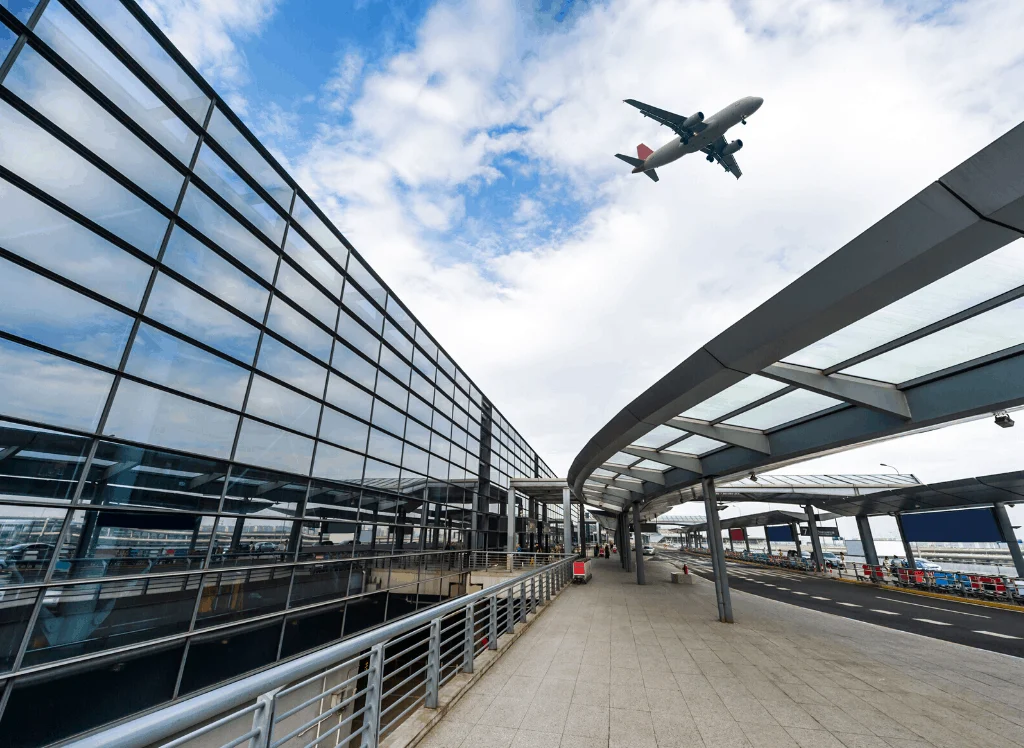
The modern airport, with its echoing announcements and insane hordes of people, has become a symbol of global movement.
Yet, beneath this constant rush lies a harsh truth. IATA reports global traffic increased by more than 10% in 2024, with airlines filling planes to record load factors of 83.5%.
However, airport bottlenecks are growing faster than the number of runways. This is very evident by the fact that I had to wait for upwards of three hours on the runway at Marrakech airport.
This is why the ability to move through the airport quickly has become one of the most critical privileges a traveler can have.
CLEAR’s biometric eGates, now operating in 16 major U.S. airports, aim to eliminate the slowest part of the security process by allowing passengers to verify their identity with a quick face scan, making it possible to bypass crowded queues entirely.
On peak travel days, when the TSA screens more than 3.1 million passengers, this kind of shortcut becomes a real game-changer.
Biometric boarding extends this freedom beyond security, allowing travelers to step onto aircraft without fumbling for passes or passports.
With 98% of global airlines either using or planning to adopt biometric systems, the act of boarding is shifting from a checkpoint procedure to an experience that is an almost invisible moment of transition.
Airlines like Delta and Lufthansa have already reported that biometric gates reduce congestion and accelerate turnaround times, creating efficiencies that can lead to better and faster airport experiences.
Lounges That Become Sanctuaries

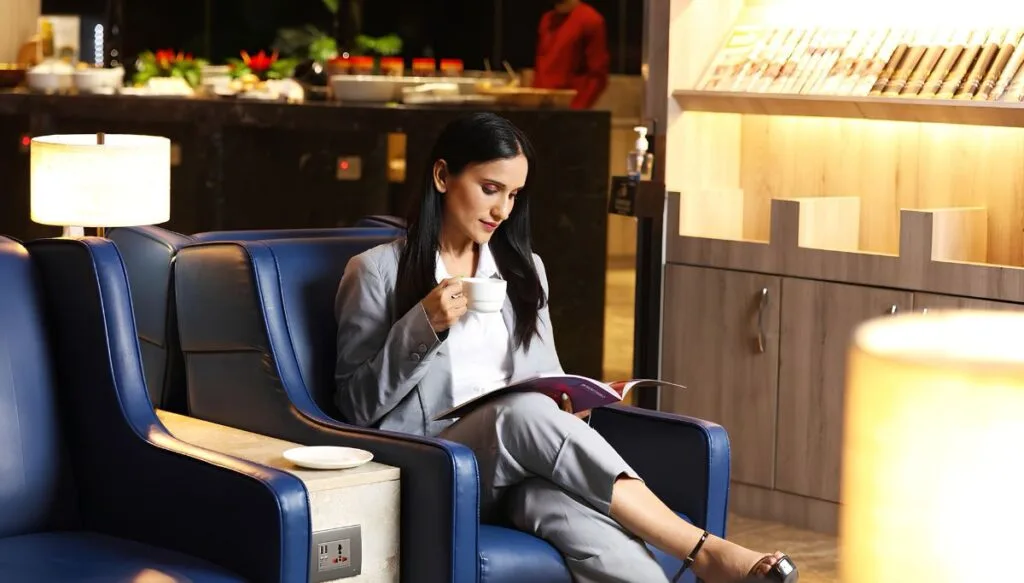
The shift from the terminal floor to a lounge is like stepping into an incredible alternate reality where travel mode totally turns off, and where your journey starts to feel intentional again.
This might explain why Priority Pass recorded a remarkable 31% increase in global lounge and travel experiences year-on-year, revealing that passengers are more eager than ever to reclaim comfort and control inside increasingly congested airports.
Lounge access creates a sanctuary where you can think, work, rest, or simply observe the ballet of aircraft movements outside large glass windows.
On long travel days, these serene spaces allow you to deal with delays without frustration, prepare for meetings without stress, and reset your body after a long-haul flight.
eSIMs and Worldwide Connectivity
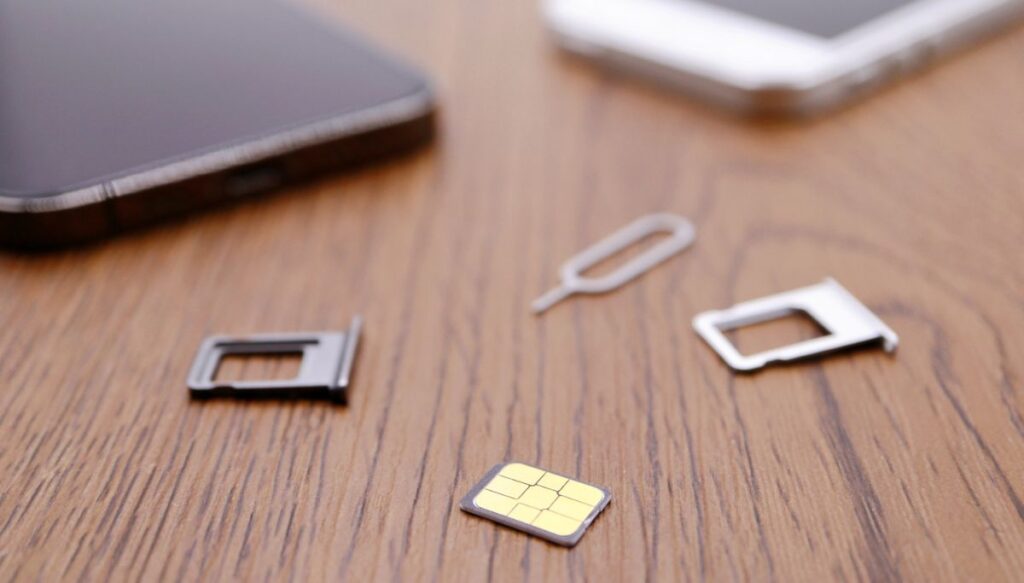
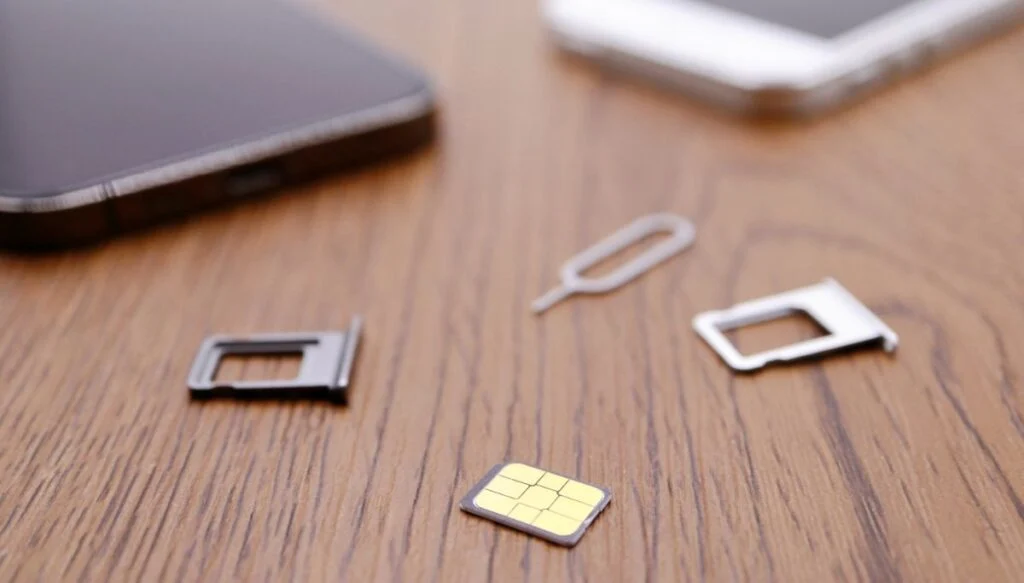
Few inconveniences interrupt travel as much as the scramble to find a SIM card kiosk after landing, especially when jet lag and hunger are already threatening your patience.
That’s why eSIM technology has become such a liberating reform in travel. It frees you from having to queue for local phone plans and allows you to connect your phone even before you unbuckle your seatbelt.
In 2025, analysts estimate that eSIM usage will surpass 5% of global mobile connections, up from approximately 3% the previous year.
Meanwhile, the travel eSIM market is expanding rapidly and is expected to exceed $ 3 billion by 2032 as more travelers embrace borderless connectivity.
Companies have introduced global plans that offer data access in over 160 countries, complete with a dedicated phone number for calls and SMS, all starting at around $37 per month.
This small piece of digital freedom lets you reroute a trip while standing in baggage claim, message your host as you roll toward the exit, or follow winding alleyways in an old town without ever worrying whether your map will actually load.
More Innovative Travel Apps and Fully Digital Trip Management

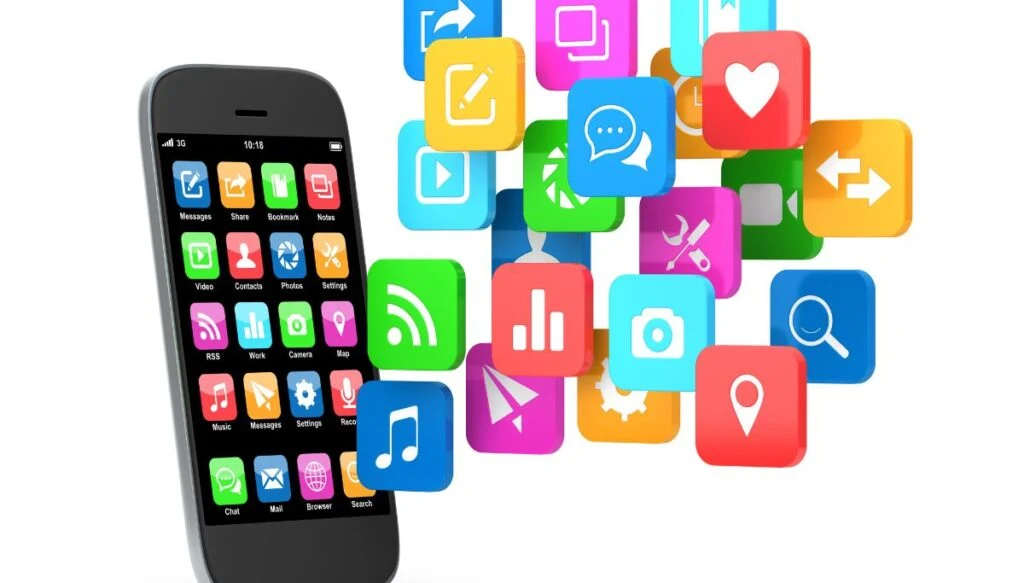
In the past, changing a flight meant long waits on horrible customer service lines. However, today’s travelers can expect modern tools that match the fluidity of contemporary life.
Hilton’s Global Trends Survey found that 80% of travelers prefer to book their entire trip online, reflecting a growing expectation that travel should be managed with the same ease as ordering dinner or booking an Uber.
Airlines, hotels, and booking platforms have responded by developing smarter apps that automatically rebook flights, allow same-day seat changes, enable you to check into a hotel without speaking to the front desk, and even notify you when better routes or prices become available.
Around three-quarters of global travelers now seek out apps that reduce stress while they are on the move. I, for one, love these types of apps and use them on a daily basis.
Passports and Visas

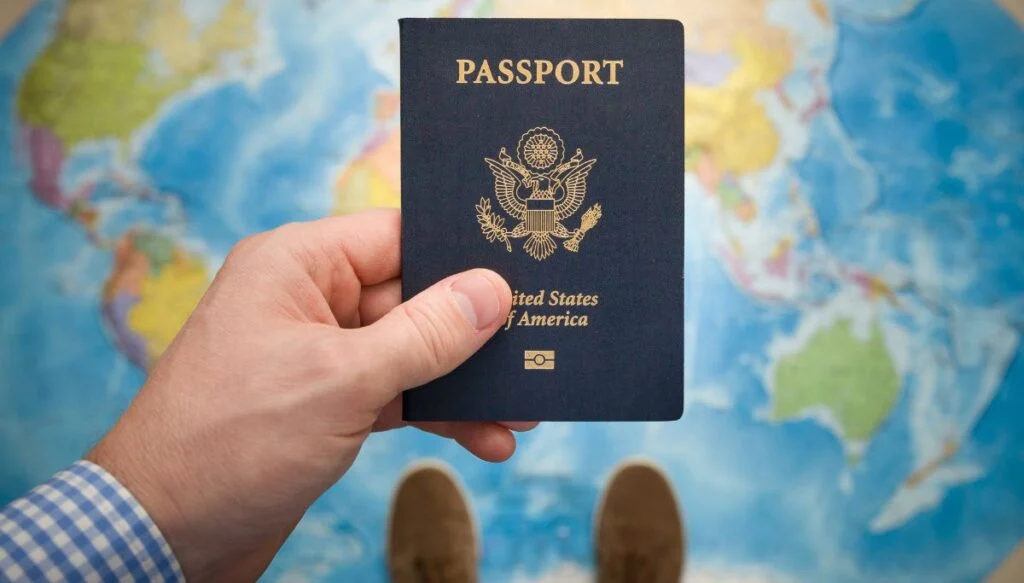
Travel freedom often starts with the quiet, easily forgotten paperwork in your drawer.
After years of pandemic-era delays, the U.S. passport system finally returned to normal in 2025, with the GAO reporting routine processing times of 4 to 6 weeks and delivery services returning to two to three weeks.
The State Department corroborates these figures, signaling a rare period of reliability for American travelers.
This stability allows you to say yes to unexpected opportunities without worrying whether your documents will hold you back. Yup, I for one am not all upset that long wait times are long gone.
Private Jet Hire

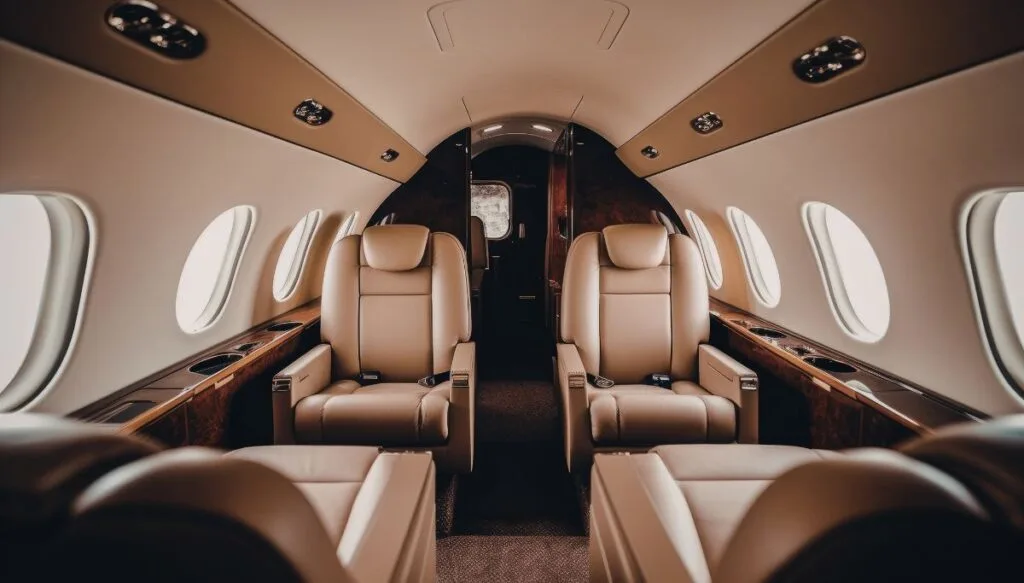
Among all the upgrades reshaping modern travel, none offer more complete freedom than private jet hire.
After all, business aviation has not only recovered but has also continued to grow, with Honeywell’s 2025 forecast predicting the delivery of 8,500 new business jets, valued at $283 billion, over the next decade.
Additionally, 91% of operators plan to maintain or increase their flight activity in the very near future.
This growth is the direct result of a shift in mindset for more travelers. They are now seeking total autonomy over their movement.
Private aviation allows you to create itineraries that the commercial world cannot accommodate in a single day.
You choose your departure time, land closer to your final destination, skip every queue, and travel with people you know rather than a cabin full of strangers.
I, for one, love the idea of NOT traveling with screaming babies.
Let the Journey Form Around You
With global tourism continuing to rise and the world’s airports getting busier year after year, freedom in travel has become less about luxury and more about intention.
If you ever decide to take the final step into complete autonomy, private jet hire is ready to show you what the world feels like when timetables reshape themselves around your life rather than the other way around.
Travel becomes its most beautiful form when it adapts to you, and the world feels less like something you must navigate and more like something welcoming you forward.
Sarah Booth
Saturday 10th of January 2026
I have fun
Girl with the Passport
Wednesday 14th of January 2026
Great