
The Mekong River has shaped the daily life of natives for centuries, long before it became a route for travelers.
People live, work, and worship along its banks in ways that still feel grounded and unhurried.
Moving through this region by water allows stories, scenery, and traditions to surface naturally. That slow reveal makes the journey feel personal rather than planned.
Travel by river creates a rare sense of continuity between destinations. A Mekong luxury river cruise allows travelers to pass through historic towns, rural communities, and natural landscapes.
The experience favors presence and observation instead of constant movement. This style of travel changes how the region is understood.
Cultural Towns and Historic Cities

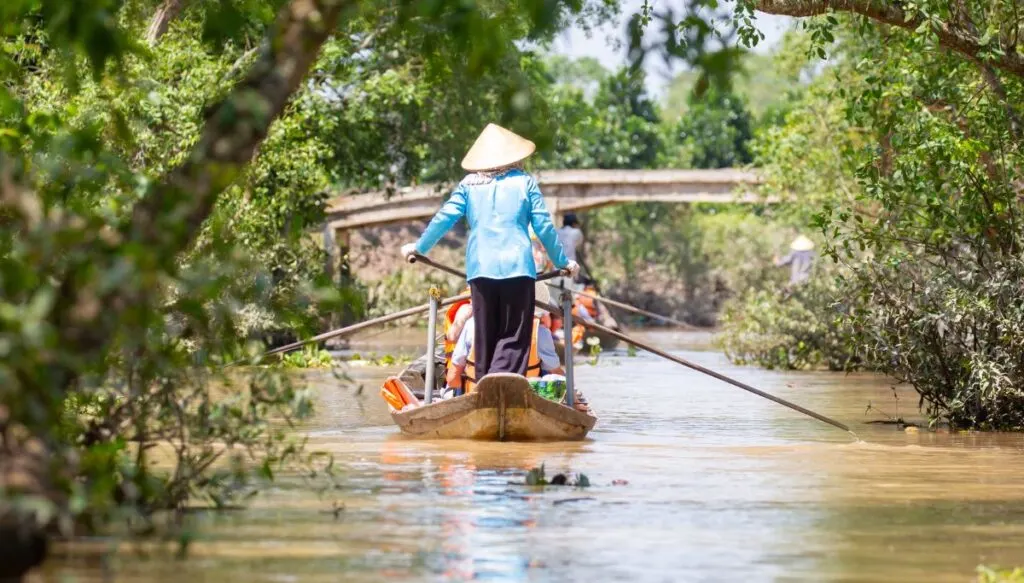
Historic towns along the Mekong reflect centuries of trade, belief, and regional influence.
Architecture and street life reveal layers of cultural exchange. Guided visits help place landmarks within a historical context. These destinations add meaning to the journey and create a wonderful memory.
Luang Prabang’s Spiritual Character

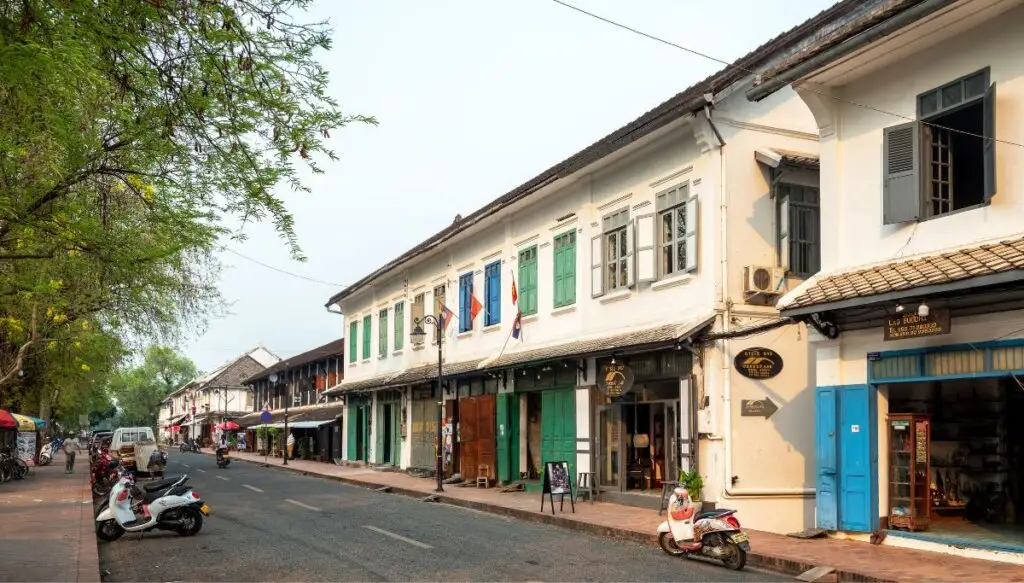
Luang Prabang stands out for its temples, monasteries, and calm atmosphere shaped by spiritual tradition.
Morning rituals provide insight into daily religious practice. Visitors experience a pace that encourages quiet observation. The town leaves a lasting impression through balance and grace.
Phnom Penh’s Cultural Perspective

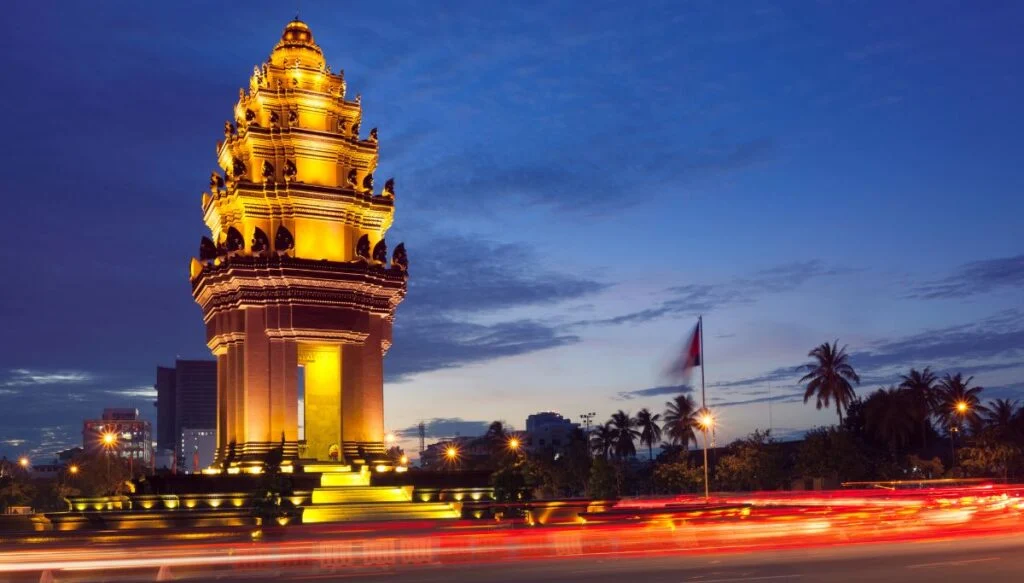
Phnom Penh reflects Cambodia’s resilience and layered history. Royal landmarks and cultural institutions reveal amazing stories about the past and present.
Guided exploration provides depth and understanding. The city adds perspective to the river journey.
Village Life Along the Riverbanks

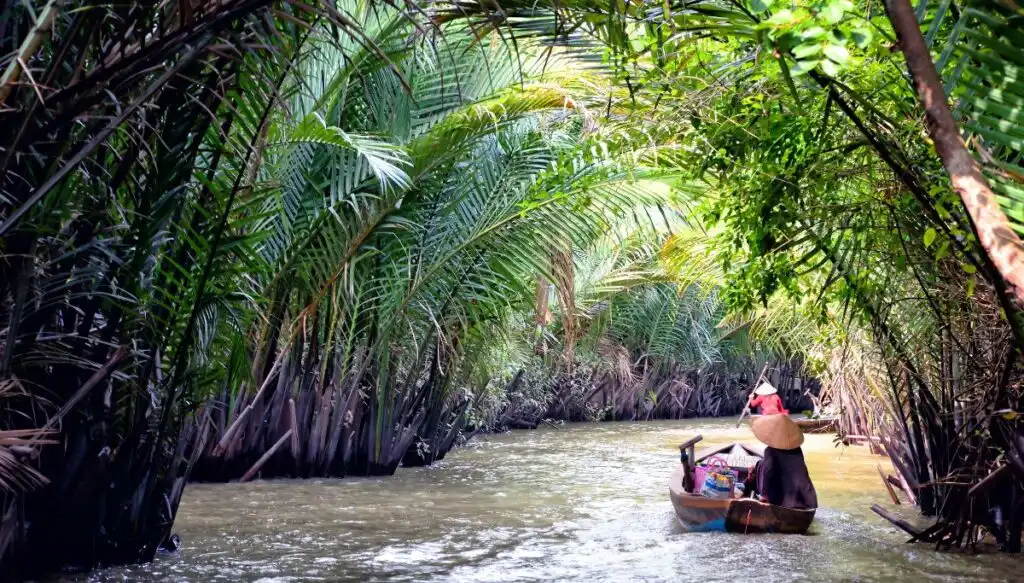
Small villages reveal daily routines shaped by agriculture and river reliance. Homes sit close to the water, which reflects a practical and cultural connection.
Residents welcome visitors with warmth and curiosity. Encounters feel sincere and personal.
Guides help bridge language and cultural differences. Guests observe crafts, farming practices, and family life. Conversations unfold naturally without pressure. Village visits provide authentic insight.
Scenic Landscapes and Changing Views

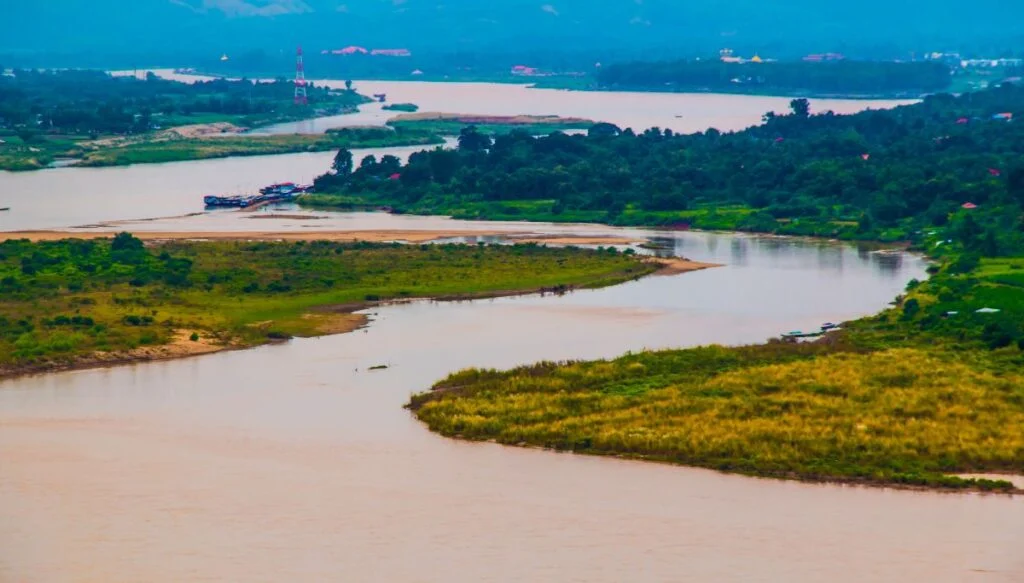
The Mekong passes through diverse landscapes that change gradually along the route. Riverbanks shift between forests, farmland, and wetlands.
These transitions create visual variety throughout the journey. Nature remains present at all times.
Sunrise and sunset transform the scenery with soft light and color. Wildlife activity increases during quieter hours. The river feels alive and dynamic. Scenic moments add calm beauty.
Wildlife Encounters in Natural Habitats

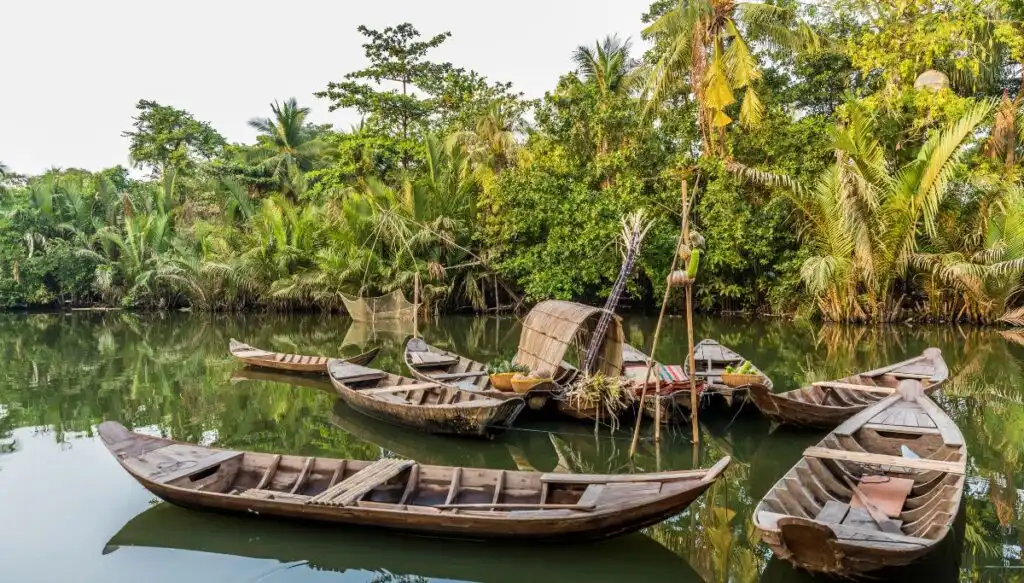
Wildlife sightings occur naturally along the Mekong’s ecosystems. Birds, fish, and river species appear without staged environments.
Observation happens from respectful distances. These encounters feel meaningful.
Guides explain habitats and animal behavior clearly. Guests gain understanding through context rather than spectacle. Nature remains undisturbed. This approach builds appreciation.
Guided Exploration and Cultural Insight
Expert guides play a central role throughout the journey. Their knowledge adds clarity to cultural and natural encounters. Learning becomes part of daily activity. Understanding deepens appreciation.
Daily Briefings and Context
Guides provide insight before excursions begin. Guests gain awareness of history and customs. Preparation enhances experience. Context matters.
Respectful Interaction With Communities
Visits follow local customs and guidelines. Interaction feels welcoming and considerate. Mutual respect shapes encounters. Cultural exchange remains meaningful.
Tips for Your Next Mekong River Cruise

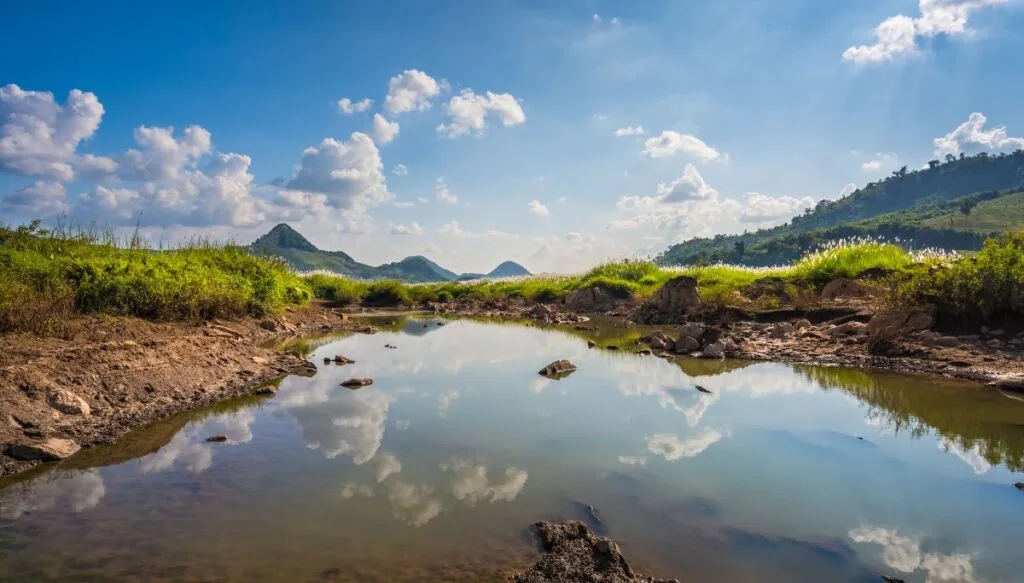
A Mekong River cruise is one of those experiences that sounds peaceful in theory. TBH, though, it actually is in real life, if you do it right.
I’ve done a Mekong cruise in Southeast Asia, and while it was incredibly rewarding, it’s also the kind of trip where small choices can make a BIG difference when it comes to how much you enjoy it.
The Mekong is not a “sit back and be entertained every minute” type of cruise. Instead, the trip is slower, more immersive, and deeply tied to local life. Here’s how to make the most of it.
1. Choose the right section of the Mekong

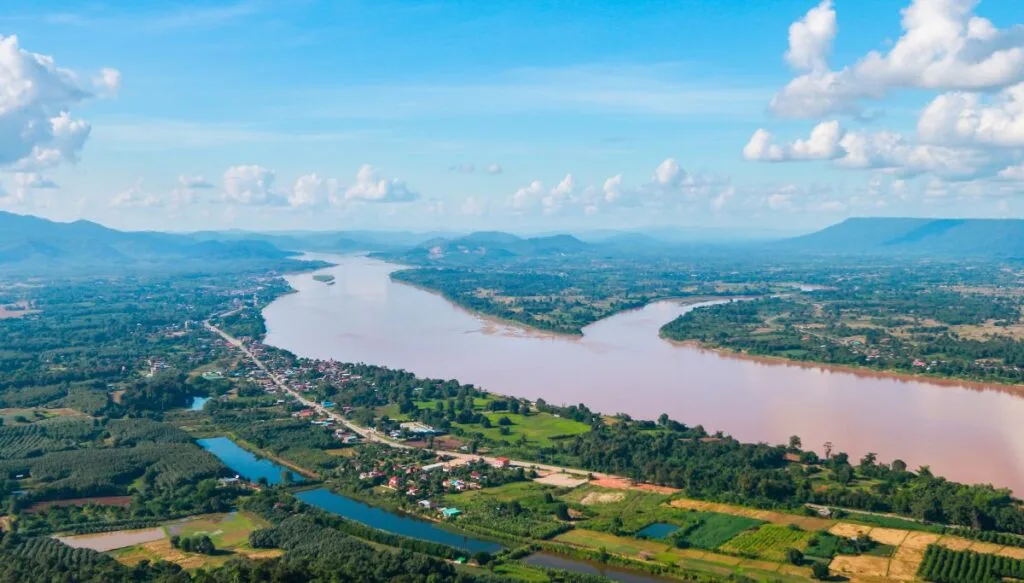
This matters more than people think. See, the Mekong is huge and runs through multiple countries.
But, the most popular cruise routes takes you from Northern Thailand to Laos (Huay Xai to Luang Prabang) and Southern Vietnam (Mekong Delta).
If you want jungle scenery, remote villages, and a sense of adventure, be sure to visit the Laos section.
If you prefer floating markets, agriculture, and things that are logistically easy, the Vietnamese Mekong Delta is better.
Finally, don’t assume all Mekong cruises are the same. Trust me, depending on where you go they can feel like entirely different trips.
2. Don’t cheap out on the boat

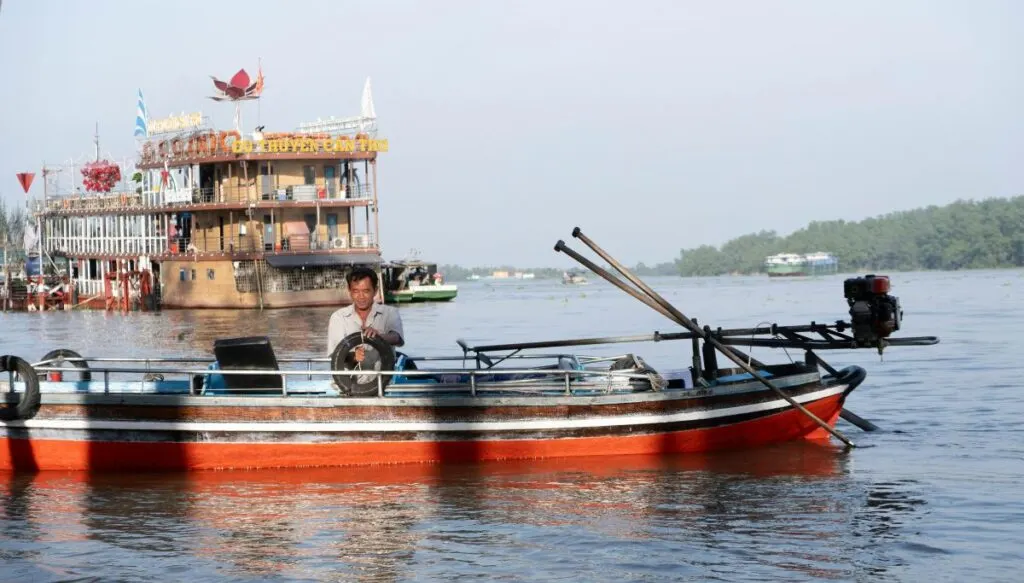
I learned this the hard way. Budget boats can be loud, overcrowded, and uncomfortable, especially if you’re doing a multi-day journey.
You’ll be sitting for hours, so comfortable seating, shade, and clean bathrooms are non-negotiable.
If possible, book a boat with:
- Cushioned seats or loungers
- A shaded deck and an open-air viewing area
- Limited passenger numbers
Mid-range boats are usually worth the upgrade. Luxury isn’t necessary, but comfort absolutely is.
3. Pack smarter than you think you need to


The Mekong looks calm, but conditions change. Here’s what I was glad I packed:
- Light scarf or long-sleeve shirt for sun and temple visits
- Refillable water bottle (boats often provide water, but not always enough)
- Motion sickness tablets (even calm rivers can be surprisingly choppy)
- Small dry bag for phone, passport, and camera
- Cash in small bills for villages and tips
- Also: sandals that can get wet. You’ll be stepping on uneven docks and muddy banks.
4. Wake up early—it’s worth it
Some of the best moments on a Mekong cruise happen early in the morning. Mist rises off the river, fishermen check their nets, monks walk along the banks, and villages slowly come to life.
Set an alarm at least once to be on deck at sunrise. Bring coffee if you can. It’s quiet, peaceful, and easily one of the most memorable parts of the trip.
5. Get off the boat whenever you can
Short village stops may feel optional, but they’re often the highlight. Don’t stay onboard scrolling on your phone. Get off, walk around, and interact respectfully.
A few tips:
- Ask before taking photos of people
- Buy small local items directly from villagers
- Learn a few basic phrases (“hello” and “thank you” go a long way)
These stops are where the Mekong stops being scenery and becomes real life.
6. Adjust your expectations about time

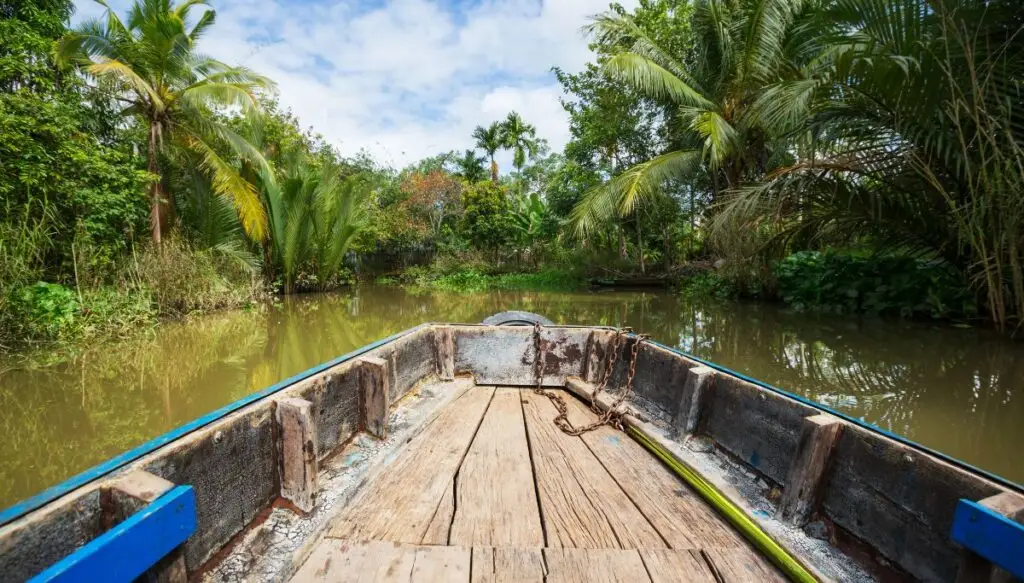
The Mekong runs on river time. Boats can be delayed by water levels, weather, or stops you didn’t expect.
Build flexibility into your itinerary and don’t schedule flights or long transfers immediately after the cruise ends. This isn’t a place to rush. The more you fight the slow pace, the less you’ll enjoy it.
You also don’t want to be stressed out for your entire trip and worrying that you might miss your flight.
7. Talk to people onboard

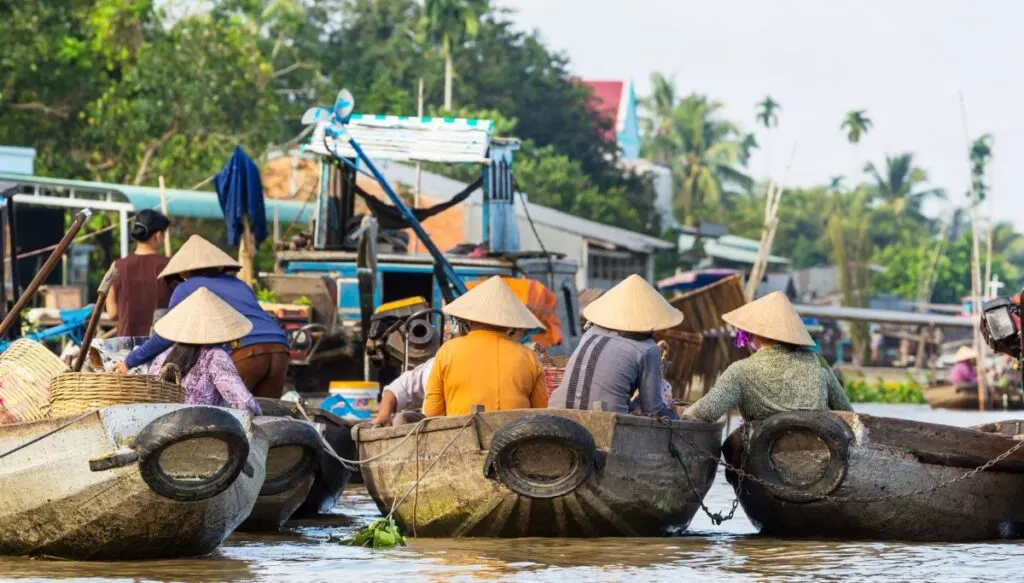
One of my favorite surprises was how social the experience became. Mekong cruises attract travelers who are curious, patient, and often well-traveled.
Conversations happen naturally and can take place on deck, during meals, or while watching the river drift by.
Bring a book, but don’t hide behind it the entire time. Some of the best travel stories I heard came from fellow passengers, and speaking with them totally enhanced the experience for me.
8. Disconnect (at least a little)
Wi-Fi is spotty or nonexistent, especially in Laos. Instead of fighting it, lean in. Download music, podcasts, and maps beforehand. Watch the riverbanks. Notice how life revolves around the water.
A Mekong River cruise isn’t about checking off sights. Instead, it’s about observing how people live beside one of the world’s great rivers.
If you approach a Mekong River cruise with curiosity, patience, and the right preparation, it can be one of the most grounding and memorable travel experiences in Southeast Asia.
Slow down, get comfortable, and let the river set the pace. You’ll enjoy it far more that way.
Conclusion
Cruising the Mekong River brings together culture, scenery, and daily life in a way few journeys can match.
Historic cities and riverside villages reveal traditions that remain active and meaningful.
Natural landscapes and wildlife encounters add quiet moments of reflection along the route.
Through a Mekong luxury river cruise, these highlights unfold with balance, comfort, and respect. The journey leaves travelers with a deeper sense of place that lingers well beyond the riverbanks.