
We know the feeling. You arrive in a beautiful new city—the sunny streets of Lisbon or the vibrant, humid energy of Canggu—riding the wave of location independence.
You have your laptop, your passport, and a dream. But then, it’s Monday morning. You have a client meeting at your Airbnb, only to discover that the Wi-Fi seems to be powered by a hamster on a wheel.
You try to relocate to a charming local café, but the background buzz and lack of power outlets nearby turn your workday into a stressful struggle.
This is where having a coworking space to work from can be a lifesaver. It’s a place where digital nomads can work, socialize, and find refuge from everyday life.
But before you spend 30% of your budget (or more) on a monthly membership for that urban boho place abroad, you need to learn how to recognize the “green flags” of a good coworking space.
Keep reading to discover my top green flags when searching for the perfect workspace while abroad.
The Infrastructure: Beyond Just “Fast” Wi-Fi


Of course, the main thing a good coworking place needs is fast internet. However, if you’ve been a digital nomad for a while, you know that “fast Wi-Fi” is a relative term.
Everyone has “lightning-fast Wi-Fi,” but only on social media. So, don’t take their word for it.
Visit the place and see if the hosts genuinely understand what type of internet and speed is needed to run a business remotely, not just for casual social media scrolling.
Redundant Backups Are a Non-Negotiable
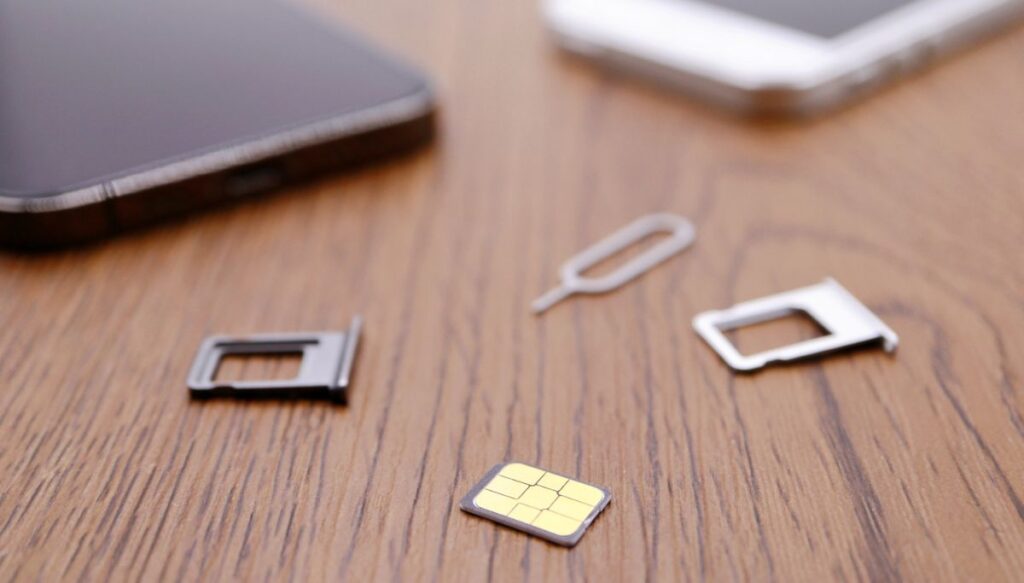
Many coworking spots (and freelancers) overlook the importance of a backup ISP, but it’s as critical as having a reliable internet connection.
Imagine the main line dropping because a construction crew accidentally cut it (which happens more often than you think in developing areas).
Days can go by while the internet provider fixes the issue, and you really can’t leave work unattended for such a long amount of time.
This is the main reason why you need a secondary ISP that you can switch to in seconds if the first one fails.
Accessible Power Outlets

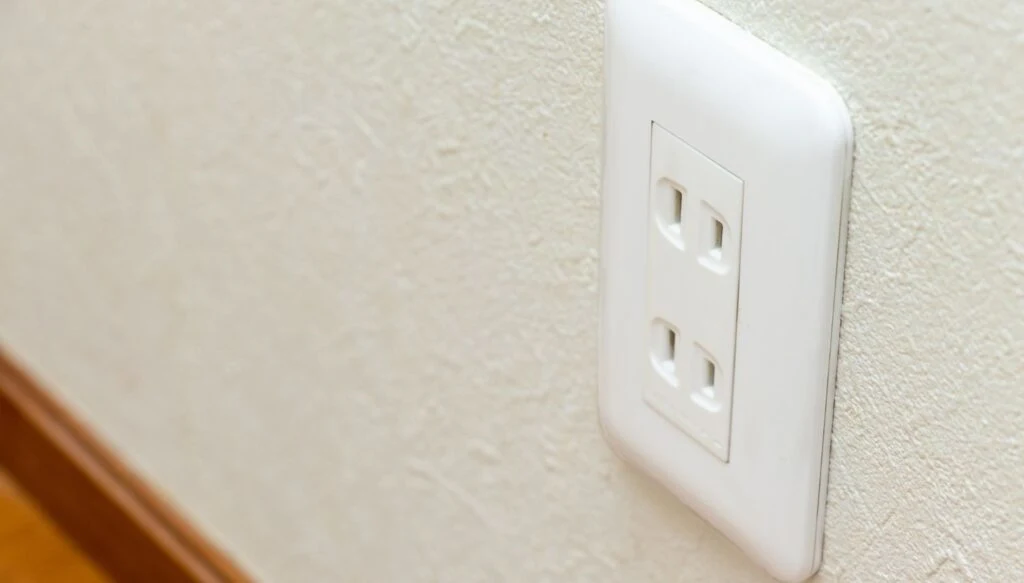
It seems straightforward, but many “aesthetic” coworking spaces opt for mid-century modern furniture over practical designs that are comfortable and useful for work.
A promising sign of a good coworking spot is built-in power strips and outlets at every desk, not just one every ten feet.
Also, check that the outlets are secure; there’s nothing worse than a plug that falls out whenever you move your legs.
Security: Protecting Your Gear and Your Data
As a remote worker, your laptop is your livelihood. It serves as your office, your bank, and your connection to the outside world.
A space that takes security seriously is one that respects your work.
Physical Security and Lockers

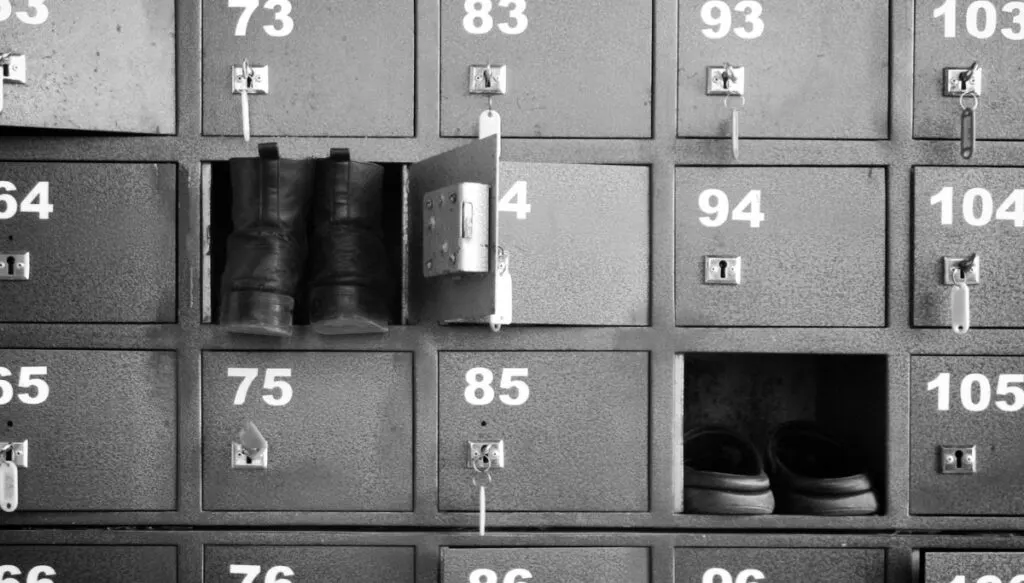
If anyone can just walk in off the street and access the desks, your gear is at risk. Look for spaces that require a key card, a specific app to enter — places with strict and technologically advanced door access have fewer incidents than those that don’t have any entrance safety.
A major green flag is the presence of lockers. Being able to secure your setup while you grab lunch or go to a quick midday yoga class is a game-changer for peace of mind.
It means you don’t have to pack everything up and carry it with you when all you want to do is grab a quick sandwich.
Digital Defense Layers

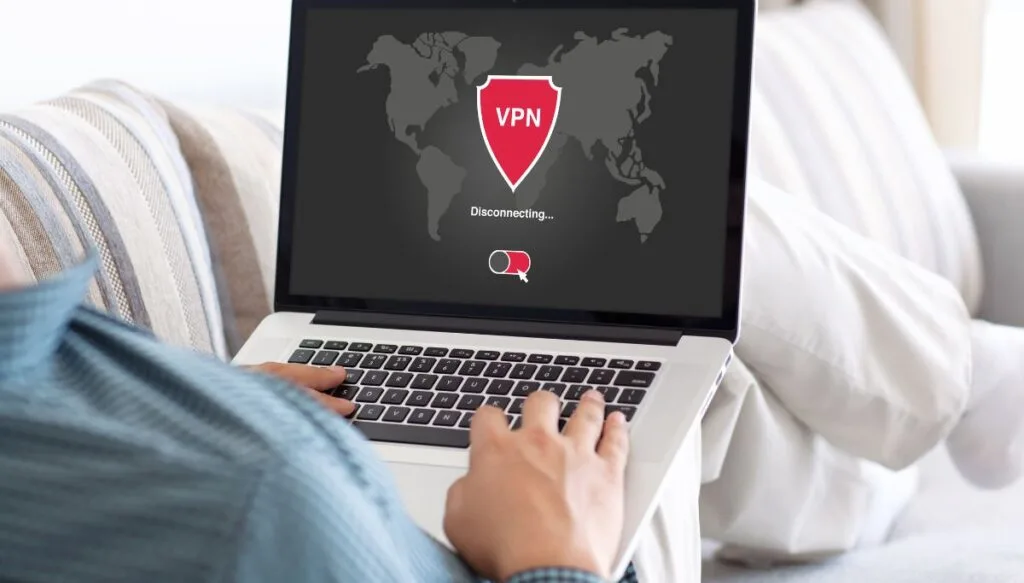
A great coworking space will have a secure, encrypted network instead of open guest Wi-Fi.
But even in the safest settings, you’re still connected to the same Wi-Fi with dozens of strangers whose online behavior you can’t trust.
According to Forbes Advisor, around 40% of American travelers who connected to public Wi-Fi have had their online security compromised.
Experienced nomads know that some personal precautions need to be taken.
As a result, finding the best VPN for international travel to encrypt their connections in order to protect their bank account information and client data from third parties is a big part of a robust safety setup.
It all comes down to layers of defense: the coworking space provides the physical walls, and you supply the digital ones.
Ergonomics: Avoid the “Nomad Hunch”

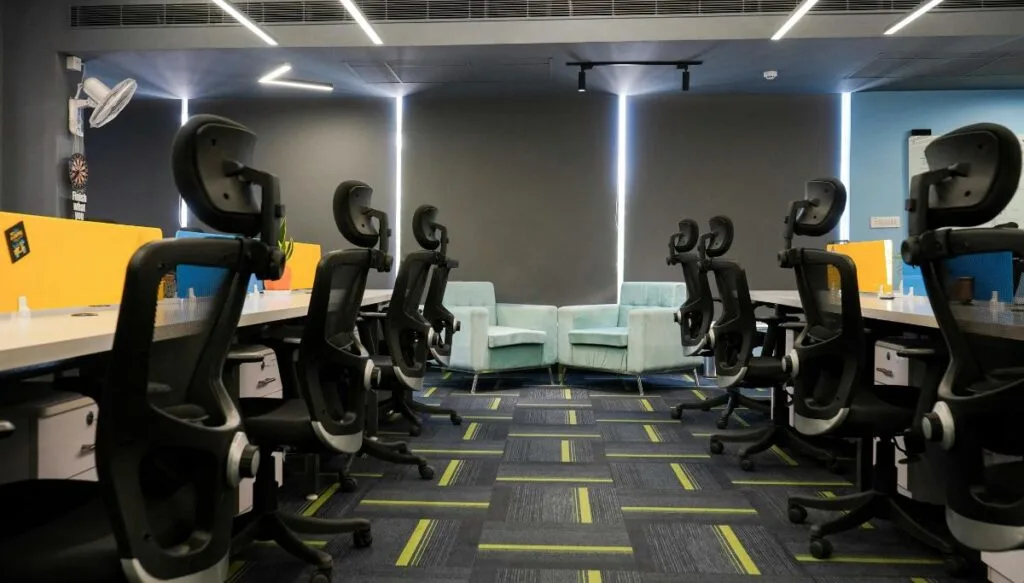
I love a velvet sofa or a trendy beanbag as much as the next person. But you cannot work from one for eight hours a day without ending up at a chiropractor in a foreign country.
Look for the chairs. Are they IKEA dining chairs, or are they ergonomic office chairs with lumbar support and adjustable armrests?
If you see Herman Miller’s or Steelcase chairs, you’ve hit the jackpot. This shows the owners actually want you to be comfortable enough to get work done.
A space that invests in its members’ health is a top-tier green flag.
The Community: More Than Just a Desk


The secret to any successful coworking space isn’t the coffee; it’s the people working there.
A “green flag” space feels like a community, not a library full of strangers who are afraid to make eye contact.
What is the Community Manager Like?
The characteristics of a top community manager are similar to those of the best concierge at a hotel.
This person knows the names of each member, makes connections between members with similar interests, and helps generate excitement among the members.
If a person at the front desk of a community is “on their phone” when you walk in, this is an indicator that this community does not exist.
On the other hand, if the same person was ready and able to tell you where a great hidden lunch place is, as well as identify anyone else in the community who is working in areas such as SaaS, graphic design, or SEO, you have a true community.
Networking Without the Awkwardness


We’ve all been to events that were supposed to be networking events; however, when we get there, we realize that everyone is holding a lukewarm beer while standing around and not really networking at all.
True “green flag” spaces are those that host events with real value. A value-based event might include things like mastermind groups, skill-share sessions, or local cultural immersion events.
Finding your crash pad is secondary to finding the tribe that you fit into.
Think in a Practical Manner: What Do You Need?


Sometimes it’s the little things that make a big difference between a productive Tuesday and a day spent sorting out chaos. Look for:
- Natural light: Natural light increases motivation and focus. So, make sure the coworking area is bright and welcoming. Working in a windowless basement is a recipe for a bad mood and a ruined circadian rhythm.
- Phone booths: There should be no negotiations when it comes to soundproof booths. A coworking space should provide a calm, quiet environment that supports focus and productivity.
- Functioning kitchen: A clean fridge, a microwave for heatingup meals, and, most importantly, high-quality coffee and a selection of tea flavors.
- 24/7 access: This is essential if you’re working for clients in a time zone six hours behind you.
- Climate control: Having an AC that actually works and isn’t set to “Arctic Tundra” levels is a gift in tropical spots. Likewise, if you live in cold areas, having a warm space to do your work in is a blessing.
Trust Your Gut and Test the Waters
Most reputable coworking spaces offer the option to get a “day pass” or even a complimentary trial period. Use it!
Sit in the office chairs, check whether the kitchen and toilets are clean, test the upload speeds (don’t just take their word for it), and see if people genuinely enjoy being and working there.