About halfway through my Slovakia road trip, I found myself clinging to a metal ladder beside a waterfall in Slovak Paradise National Park.
I started to wonder how exactly my pleasant little Central European vacation had come to this. To be clear, I was having a fantastic time.
I was also wildly underprepared while visiting one of the most beautiful places in Slovakia.
That basically sums up my experience in Slovakia. I arrived expecting a few days in Bratislava, some pretty mountain scenery, and a castle or two.
Instead, I found myself driving among the peaks of the High Tatras, wandering through medieval towns I had barely heard of before my trip, exploring enormous castle ruins, squeezing in cave visits, and eating bryndzové halušky in rustic mountain restaurants.
Because of all this, I legit started wondering why Slovakia had never been higher up on my bucket list. Because this country is NEXT LEVEL underrated.
Unlike Austria, Hungary, and the Czech Republic, Slovakia still feels surprisingly wild once you get out of the major cities.
You can spend the morning drinking coffee in a historic square and, a few hours later, be deep inside one of the country’s national parks with barely anyone around.
Even the mountain regions felt refreshingly relaxed compared with other places in Western Europe. It also didn’t hurt that my wallet was significantly less traumatized afterward.
The most beautiful places in Slovakia also aren’t limited to one region.
Yes, the High Tatras are spectacular. However, so are the tiny medieval streets of Banská Štiavnica, the castles scattered across the countryside, the secret caves, and enchanting villages that most visitors don’t even know exist.
That’s what made traveling here so much fun. Slovakia kept surprising me.
So, in this Slovakia travel guide, I’m sharing the places that stayed with me long after I left, along with the practical things I learned while exploring them for myself.
Because if you’re searching for underrated places in Europe, Slovakia deserves far more than a weekend in Bratislava.
I left already thinking about returning, mainly because I want to explore more of eastern Slovakia, where the increasingly overambitious list of places I still want to visit somehow keeps getting longer.
This post may contain affiliate links. Please see my disclosure for more information. As an Amazon Associate, I earn a small commission from qualifying purchases.
Most Beautiful Cities & Historic Towns in Slovakia
1. Bratislava
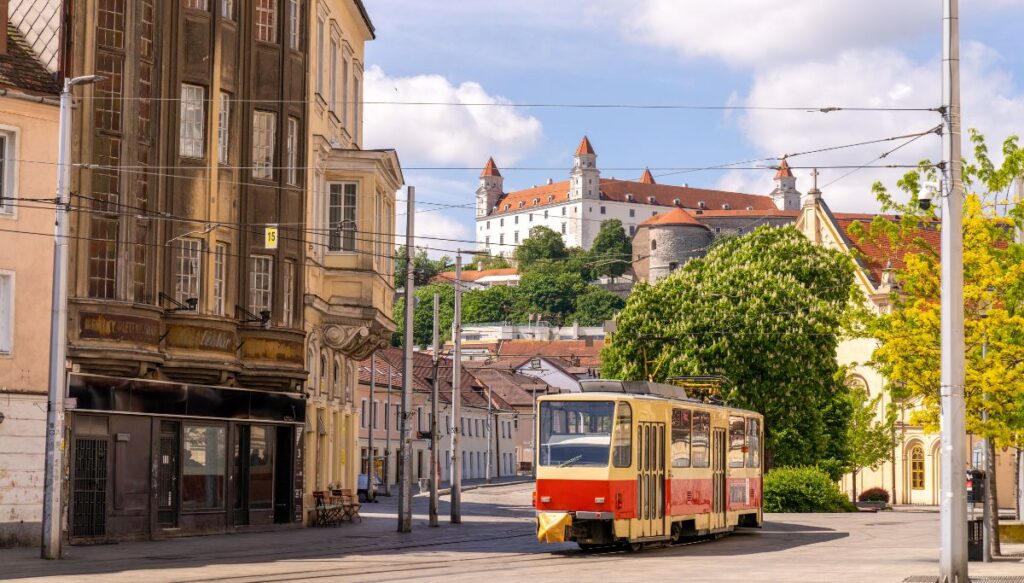
Bratislava gets treated unfairly because a lot of travelers seem to regard it as a place to spend six hours on their way from Vienna to Budapest.
They take a photo with the Čumil statue, eat lunch, and leave.
Me? I stayed longer, and I’m glad I did. The Old Town is lovely, of course, but some of my favorite parts of Bratislava were outside the small historic center.
I loved walking through the leafy streets around Palisády, where beautiful villas climb up the hill toward Bratislava Castle.
Additionally, I enjoyed exploring the area around the Blue Church, which looks like an extremely elaborate wedding cake.
To experience a completely different side of the city, I headed across the Danube to Petržalka.
The rows of colorful apartment blocks are a reminder that Bratislava is more complicated than its pastel Old Town suggests.
Food was another pleasant surprise. I went to Bratislavský Meštiansky Pivovar for bryndzové halušky, Slovakia’s famous potato dumplings with sheep cheese and bacon. It is not a light lunch.
I had vague sightseeing ambitions afterward and abandoned all of them in favor of sitting down in my extra stretchy elastic waist pants.
I also loved Konditorei Kormuth, an incredibly ornate café where having cake feels like you’ve accidentally wandered into a tiny palace run by Maria Antoinette herself.
If you’re driving, I wouldn’t bother trying to park in the historic center. I left my car at a garage outside the pedestrian zone and explored on foot since this city is super walkable.
Among the best cities in Slovakia, Bratislava is easily the most polished. But give it more than a quick day trip.
Trust me, its personality becomes much more interesting once you go beyond the obvious sights.
2. Košice
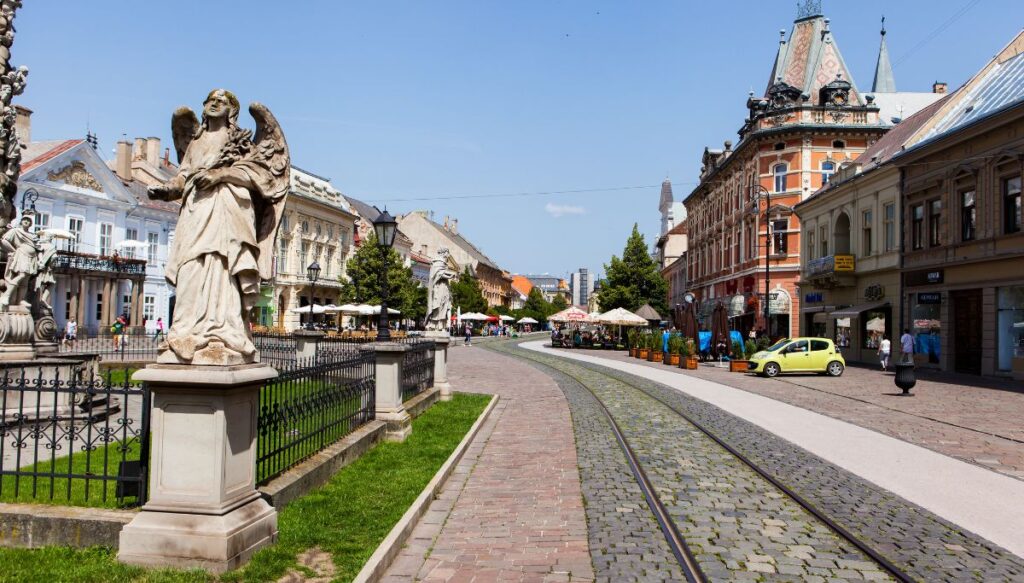
Košice was where Slovakia started to feel just a wee bit different.
After spending time in the western part of the country, I arrived expecting another attractive Central European city with a pretty square and some churches. Instead, I found 10,000 times more than that.
Most of the action here revolves around Hlavná ulica, the long pedestrianized main street running through the historic center.
St. Elisabeth Cathedral dominates the middle of it, and I climbed the 160 steps of the north tower for epic views over the city. My legs burned in protest, but the views won the argument.
What I really loved about Košice, though, was its café culture. I spent an embarrassingly long time at San Domenico Caffé, and the courtyard at Tabačka Kulturfabrik became another fave hangout spot.
The latter sits inside a former tobacco factory and hosts exhibitions, concerts, and cultural events. It felt young and creative in a way I hadn’t expected.
I stayed at Boutique Hotel Bristol, which put me close enough to the historic center that I barely used public transportation during my stay.
One evening, I had dinner at Med Malina and ordered traditional Slovak food in a cozy cellar-like setting.
By this point in the trip, I had developed a concerning willingness to order anything involving sheep’s cheese.
TBH, any halfway decent Slovakia travel guide should give Košice more attention than it usually gets.
Bratislava may receive more international visitors, but Košice felt warmer, more relaxed, and a little more fun. Yup, I said what I said and am not gonna apologize for it.
3. Banská Štiavnica
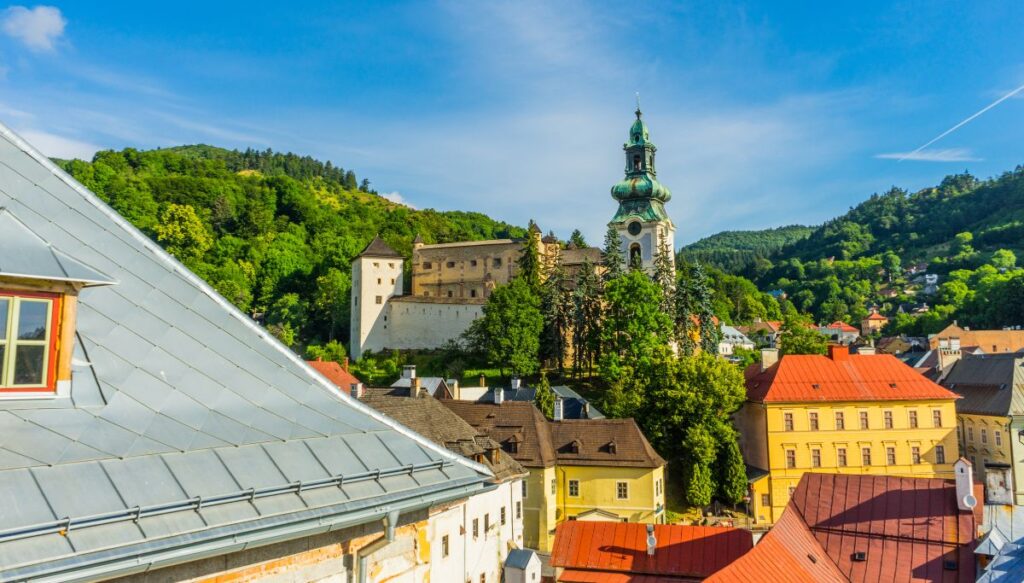
Nobody warned me that visiting Banská Štiavnica would involve this much uphill walking.
The town is gorgeous, but my calves would also like to file a formal complaint with the local authorities.
Built into the hills of central Slovakia, Banská Štiavnica was once one of Europe’s most important mining towns.
That history is everywhere, but the town doesn’t feel like a museum. Its crooked streets are filled with cafés, galleries, old townhouses, and buildings that look beautifully imperfect rather than overly restored.
Yeah, I hate old buildings that don’t actually look old at all.
I stayed at Divná Pani Luxury Gallery Rooms, which was as quirky as the name suggests and put me right in the historic center.
This mattered a lot because driving around the oldest part of town is not something I would recommend for fun.
Streets are narrow, parking is limited, and I found it much easier to leave the car and accept that my legs were going to be doing the vast majority of the work.
The New Castle and Old Castle are both worth seeing, but my fave thing was the Open-Air Mining Museum outside town.
You put on a helmet and protective coat before heading underground into an actual mine. It was cold, damp, and infinitely more interesting than reading another informational panel inside a museum.
Later, I stopped at ERB Brewery for dinner and a local beer.
Of all the historic towns in Slovakia I visited, Banská Štiavnica had the most personality. It isn’t pristine or flat or particularly convenient, and that’s probably why I liked it so much.
4. Bardejov
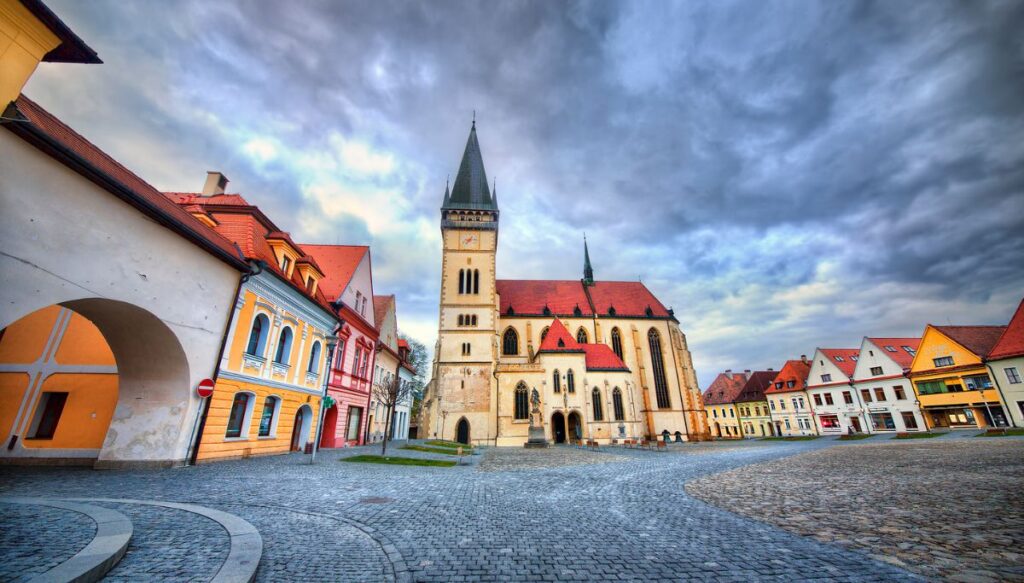
Bardejov is almost suspiciously pretty. I mean, the first time I walked into Radničné námestie, the enormous central square, I genuinely wondered why I’d heard so little about it before my trip.
Rows of colorful Gothic and Renaissance-style houses surround the square, with the Basilica of St. Egidius rising up above it all at one end.
And there were hardly any people around. Obvi, I climbed the basilica tower for a panoramic view of the red rooftops and old city walls.
Then, I spent the rest of the afternoon wandering around without much of an agenda. That’s probably the best way to experience Bardejov.
It isn’t overflowing with top attractions requiring reservations and carefully timed tickets. The town itself is the reason to stop by and just wander.
One detail I loved was the collection of historic artifacts inside the Šariš Museum. I initially went in thinking I’d spend twenty minutes there and ended up staying a lot longer.
I stayed at Hotel Pod Bránou, just outside the historic center, which made dealing with my car a lot easier.
That’s my practical advice for several of Slovakia’s smaller medieval town centers. Do yourself a favor and don’t just choose accommodations based on being along the main square.
Instead, being a short walk outside the pedestrian zone can make parking dramatically less annoying.
Bardejov is one of those hidden gems in Slovakia that makes you feel slightly smug for having found it. Yes, I realize UNESCO found it first, but it still counts.
5. Levoča
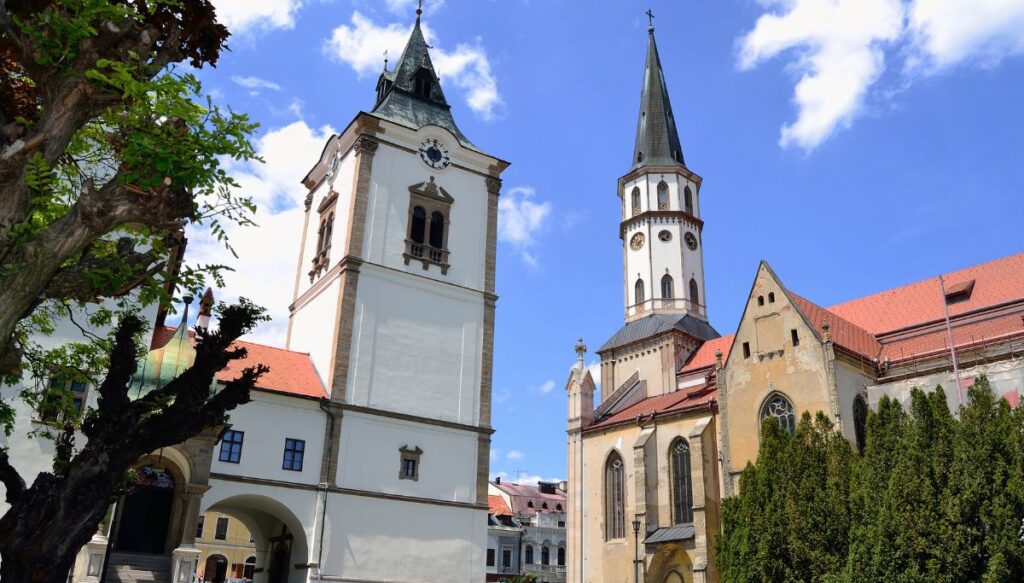
I almost treated Levoča as a quick stop on the way to Spiš Castle. Thank God I didn’t because that would’ve been a HUGE mistake.
After all, this town has one of the most impressive historic squares in Slovakia. But what REALLY made me stay longer was how peaceful it felt.
After parking outside the old walls, I walked through Košická Gate and into a town center that seemed almost absurdly well preserved.
The main attraction is the Basilica of St. James, home to the enormous wooden altar created by Master Paul of Levoča.
I’m not usually someone who plans trips around altars, but this one is genuinely extraordinary. The scale is difficult to appreciate until you’re standing in front of it and picking your jaw up off the floor.
Afterward, I visited the nearby Master Paul’s House museum before having lunch at U Leva, where I leaned fully into Slovak comfort food.
At this stage, my relationship with dumplings had become serious, and my pants felt a little bit too tight for my own comfort.
What I liked about Levoča was that it fit well into my larger road trip.
I mean, Spiš Castle is nearby, and the surrounding Spiš region has enough historical sites to justify spending several days here rather than rushing in between attractions.
If you’re interested in medieval towns in Slovakia, Levoča should be near the top of your list.
The city walls, Renaissance houses, religious art, and almost eerily quiet streets made it one of the biggest surprises of my trip.
And that was the theme of my trip to Slovakia. The places I nearly skipped were frequently the ones I ended up talking about the most after I left.
Most Beautiful Castles & Fairytale Landmarks in Slovakia
6. Spiš Castle
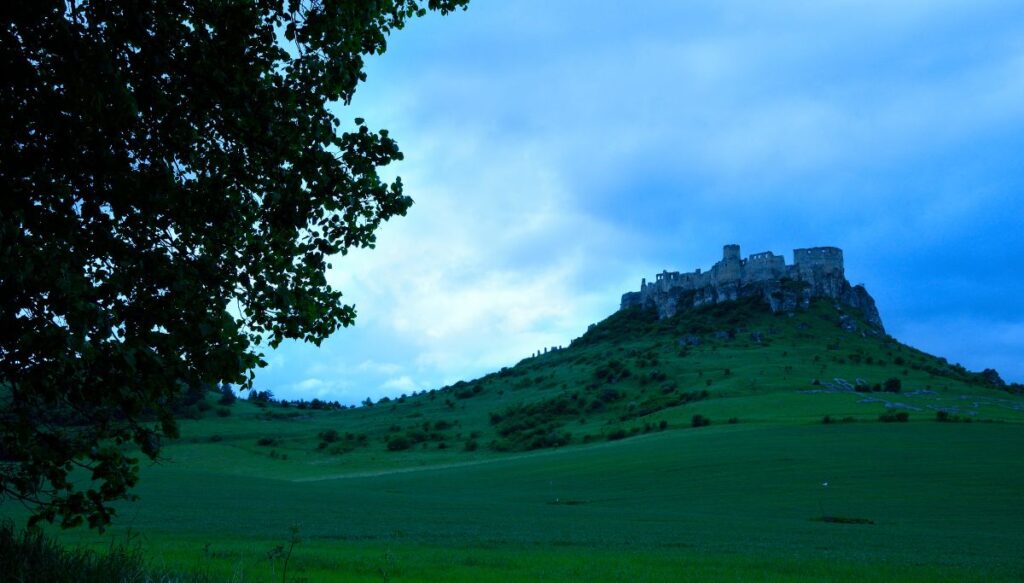
There are castles and then there are entire medieval cities casually sitting on top of a hill. Spiš Castle firmly falls into the second category.
I could see the ruins long before I reached them, and that was my first clue that I had seriously underestimated the size of this place.
The castle complex is spread out across more than four hectares of land, and exploring it involved far more walking than I had anticipated.
So, this is not the type of castle where you pop inside, look at three rooms, and leave twenty minutes later.
I spent a good part of the afternoon wandering through the ruins of old courtyards, climbing stone staircases, and stopping at viewpoints over the surrounding Spiš countryside.
The landscape is a huge part of the experience here. From the upper sections of the castle, you can see rolling fields, villages, and distant mountains.
My biggest practical tip is to wear actual shoes. I watched someone attempt to walk along the uneven stone paths in sandals, and the situation was not going well.
I combined my visit with Levoča and stayed at Hotel U Leva, which made a great base from which to explore the region.
For dinner, the restaurant here serves a variety of Slovak dishes and local wine, which was exactly what I wanted after several hours of climbing all over the castle ruins.
Of all the medieval castles in Slovakia, Spiš Castle impressed me most because of its sheer scale. It doesn’t feel like one beautiful building. It feels like you’re exploring the remains of a lost world.
7. Bojnice Castle
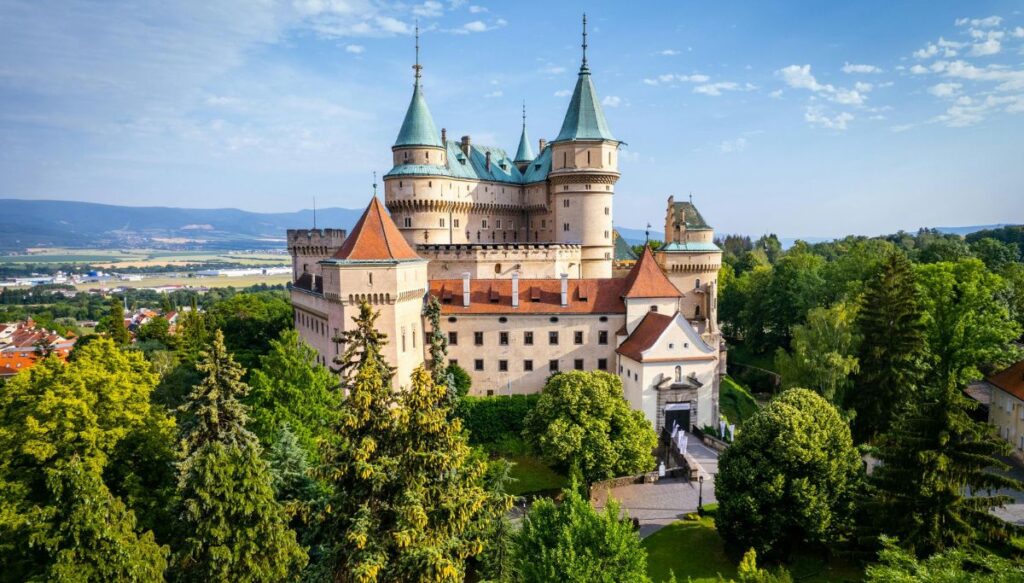
Bojnice Castle is ridiculous, and I mean that as the highest possible compliment.
With its pale stone walls, romantic towers, pointed roofs, and perfectly positioned moat, the entire place looks like someone asked a child to draw the ultimate fairytale castle and then constructed it.
Naturally, I loved it. Unlike Spiš Castle, which is all about wandering through enormous ruins, Bojnice is much more polished and theatrical.
I opted for the interior tour and was pleasantly surprised by how much I enjoyed it.
The Golden Hall, elaborate wooden ceilings, historic furniture, and underground cave beneath the castle make the interior worth seeing as opposed to just photographing the exterior and leaving.
The town of Bojnice itself is small, so I stayed nearby at Hotel Bojnický Vínny Dom.
Being able to walk to the castle was convenient, especially since parking close to the main entrance can be a headache when the town is busy.
After my visit, I stopped at Biograf Winebar and Restaurant for dinner.
By this point in my road trip, I’d learned that any day involving a castle should apparently end with wine and an unnecessarily large dinner.
Among all the castles in Slovakia, Bojnice is easily the most romantic. So, if your idea of a perfect European trip involves turrets, legends, and architecture that looks Disney-adjacent, put this spot high on your Slovakia itinerary.
8. Orava Castle
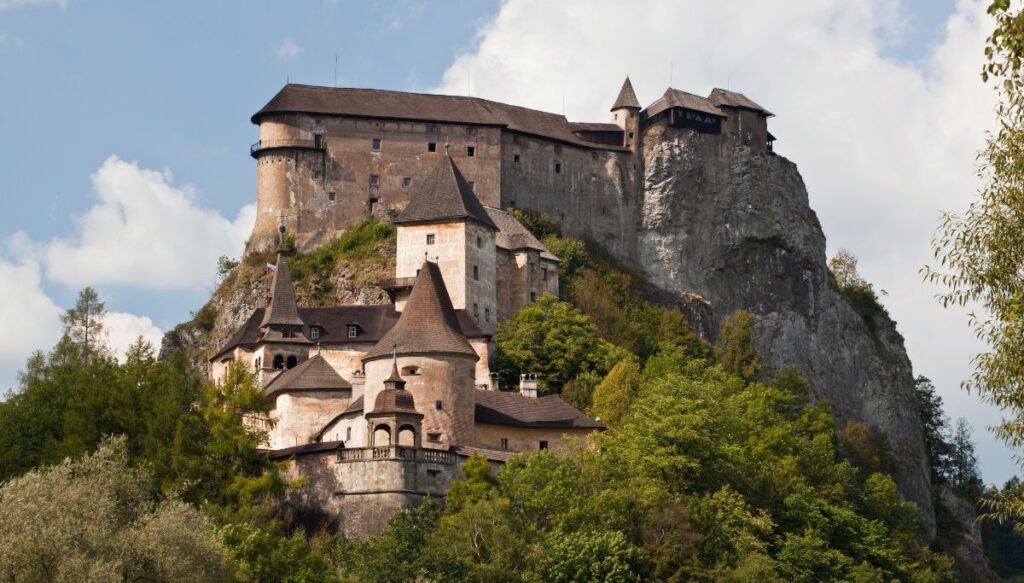
My first thought when I saw Orava Castle was, “Oh, wow, that’s insanely dramatic.”
My second thought, approximately twenty minutes later, was, “Why are there so many stairs?”
Built on a rocky cliff high above the Orava River, this is one of the most visually striking historic sites in Slovakia.
The castle appears to emerge directly from the rocks below, with different sections stacked above one another all the way to the top. That means, yes, you are walking up there.
FYI, the interior can only be visited as part of a guided tour, and the route moves through different sections of the complex as you go higher and higher.
I actually liked this because the castle feels less like one enormous building and more like a cool maze of courtyards, chambers, staircases, and defensive structures added over centuries.
Film fans may recognize Orava Castle from the 1922 silent film Nosferatu, which adds another layer of creepy charm to the enite experience.
I stayed at Hotel Palatín in Oravský Podzámok, which meant that I could walk to the castle instead of dealing with my car.
For food, I stopped at Kastelán, close to the castle, and ordered a very necessary plate of halušky after the tour.
One word of warning. This is NOT a quick one-hour stop. Between the guided tour, the climbing, and the views from the upper castle, Orava deserves a couple of hours. Your legs have also been warned.
9. Devin Castle
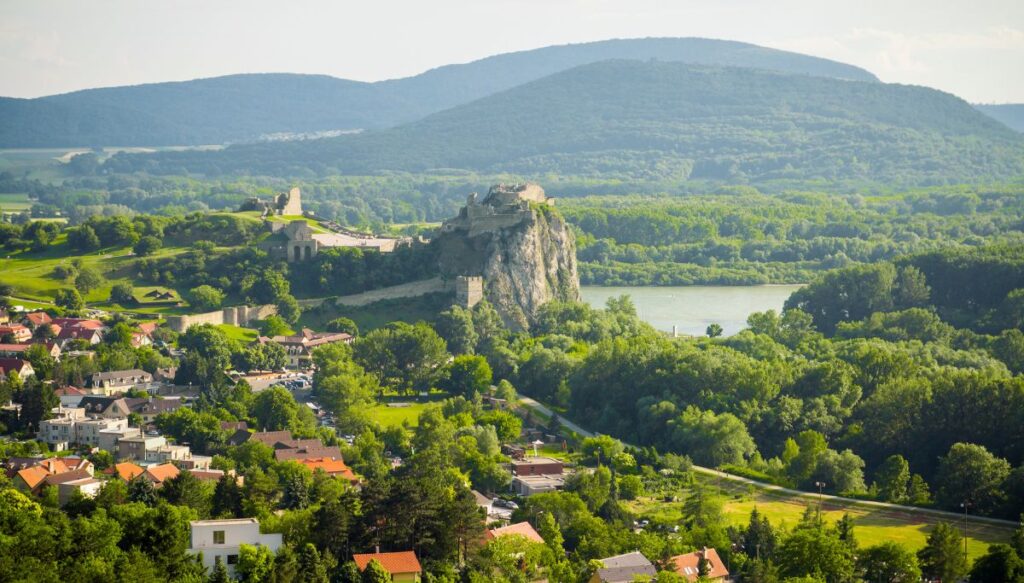
Devín Castle was completely different from the other castles I visited in Slovakia, and that’s exactly why I loved it.
There are no lavish royal bedrooms or perfectly preserved banquet halls here. Instead, the ruins sit high on a rocky cliff where the Danube and Morava Rivers meet, with views stretching toward Austria.
The atmosphere was spectacular. I visited from Bratislava, and getting there was much easier than I had anticipated.
You can take public transportation from the city, but I drove since Devín was part of a longer road trip. Parking near the village was straightforward, and from there I walked uphill toward the castle ruins.
What I enjoyed most was being able to explore the complex at my own pace.
I wandered among the remaining walls, climbed to the upper viewpoints, and spent a ridiculous amount of time staring across the river in the general direction of Austria.
The Maiden Tower, a tiny turret perched dramatically on a rock below the main ruins, was the highlight of my visit. It looks completely impractical and therefore, naturally, makes for a fantastic photo.
After exploring the castle, I stopped at Devínska Kobyla nearby to see the unusual observation tower and get another view of the surrounding landscape.
So, if you’re looking for an easy addition to any Slovakia itinerary and plan to visit Bratislava, Devín is one of the best day trips.
It gives you history, scenery, and a completely different atmosphere from the capital without another exhausting day of travel.
10. Červený Kameň Castle
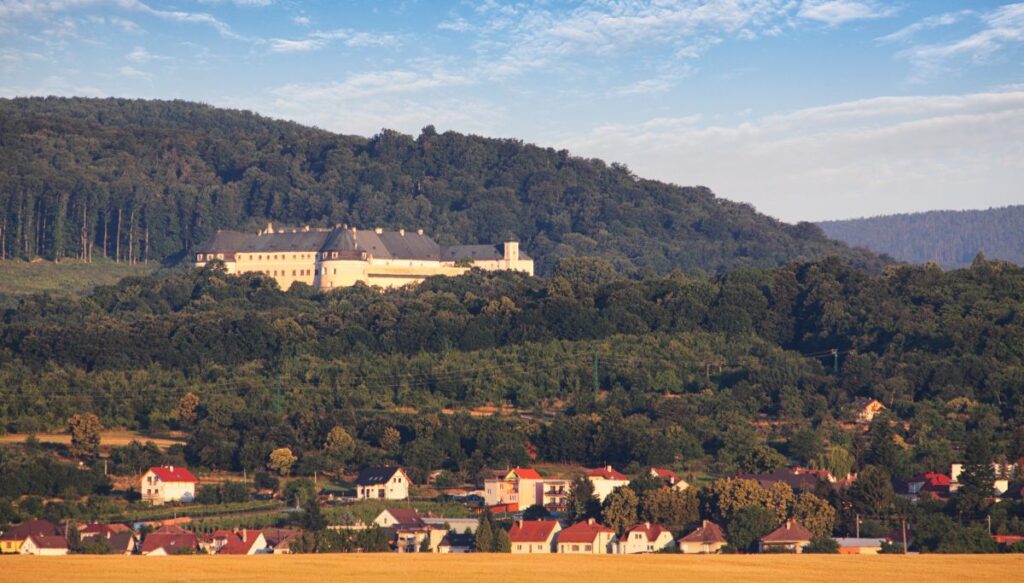
By the time I made it to Červený Kameň Castle, I thought I knew what to expect from Slovak castles. You know, old furniture. Portraits of serious-looking, rich white guys. Maybe some armor.
Then I ventured underground. The enormous cellar system beneath Červený Kameň was one of the biggest surprises.
The castle was connected to the wealthy Fugger merchant family, and its vast storage spaces reflect its history as both a noble residence and a center of commerce.
Above ground, the interiors are equally impressive. Unlike some castles where you stare at mostly empty rooms and use your imagination, Červený Kameň is filled with historic furniture, paintings, decorative objects, and beautifully preserved rooms.
I visited while driving through the Little Carpathians, and I’d recommend combining a visit to the castle with a trip to the nearby wine town of Modra.
I stopped at Elesko Wine Park afterward for a tasting and lunch, which made the day feel much less like a history field trip and considerably more like a real-life vacation.
If you can, give yourself enough time to do the tour of the interior.
The real appeal of Červený Kameň isn’t just its exterior, and rushing through the grounds would mean missing out on what makes this place extra special.
Of all the fairytale castles in Europe and ruined fortresses I visited during this trip, Červený Kameň stood out.
It gave me a much better sense of what life inside a wealthy Slovak castle might actually have looked like.
And, apparently, that life involved an absolutely enormous amount of storage space.
Most Beautiful Nature Spots in Slovakia
11. High Tatras
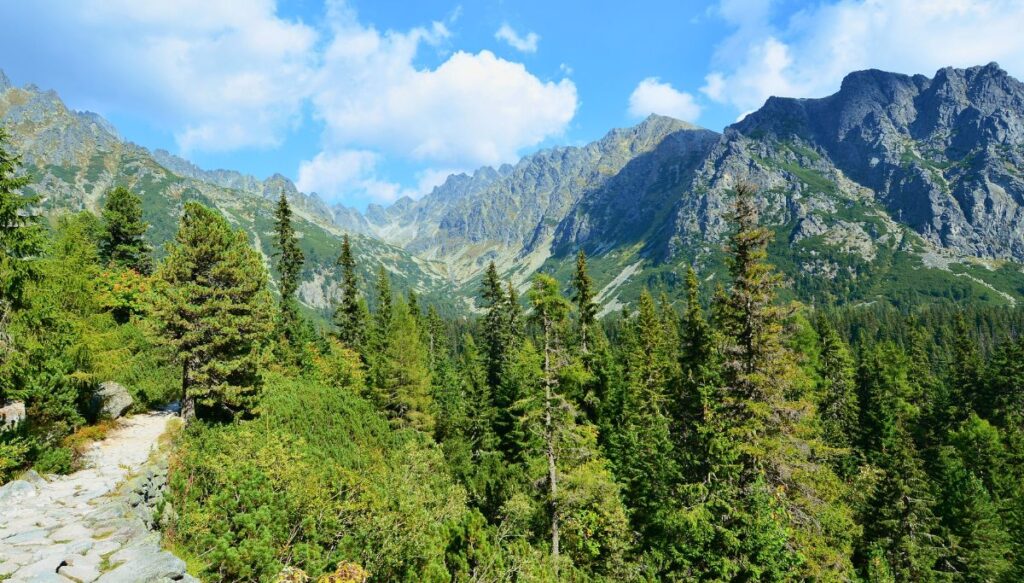
If Slovakia has a crown jewel, it’s the High Tatras.
Now, truth be told, I’d seen plenty of photos before my trip. But none of them prepared me for what it’s like to wake up surrounded by jagged granite peaks and realize you can spend the entire day hiking from one mountain lake to another without ever getting bored.
I stayed in Starý Smokovec, which turned out to be the perfect home base.
From there, it was easy to hop on the Tatra Electric Railway instead of constantly moving my car from trailhead to trailhead.
It saved time, parking headaches, and honestly made the entire experience feel so much more relaxed.
One of my favorite hikes was the trail to Skalnaté Pleso. You can ride the cable car if you’re short on time, but I decided to hike up and then reward myself with a cable car ride down.
The mountain hut at the top also serves surprisingly good soup, and sitting outside with views of Lomnický štít was one of those simple travel moments that I absolutely adored.
One thing I learned very quickly is that mountain weather in the Tatras has a GOOD sense of humor.
I left with sunny skies, then hiked through fog, got caught in light rain, and finished the afternoon again with bright blue skies. Moral of the story? Be prepared for any kind of weather.
If you’re interested in hiking in Slovakia, this is where you should start. There are trails for every skill level, and every valley feels wonderfully different from the last.
12. Štrbské Pleso
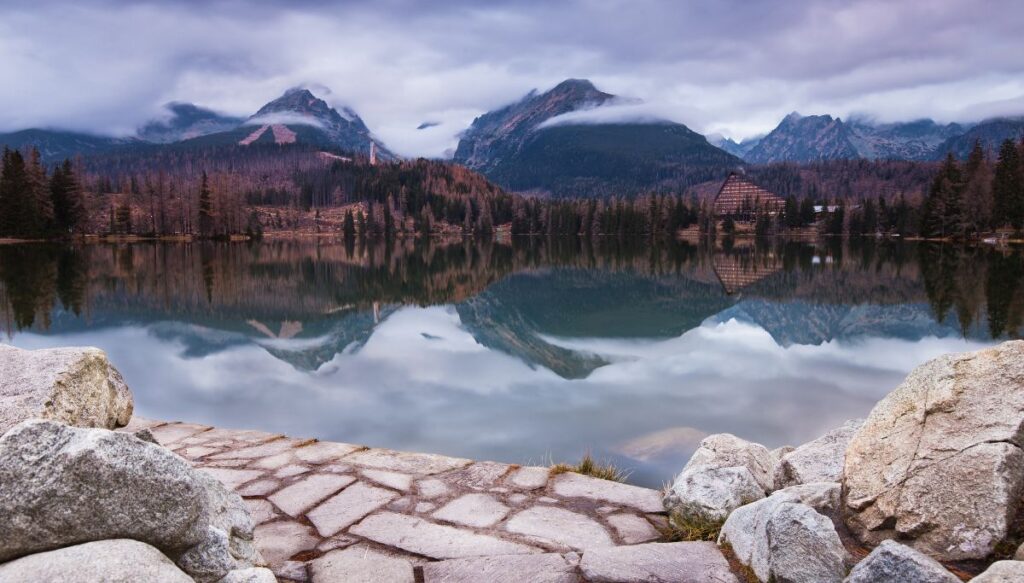
I’ll admit something. When I first saw Štrbské Pleso on a map, I assumed it would simply be “another lovely mountain lake.” Well, I couldn’t have been more wrong.
The lake sits beneath the High Tatras and somehow manages to feel peaceful even though it’s one of Slovakia’s best-known alpine destinations.
Early one evening, I walked the circular trail around the shore just as the wind completely disappeared.
The mountains reflected perfectly in the water, and for a few minutes, it honestly looked like someone had turned the entire landscape upside down.
Yup, love me a good foray into the Upside Down (Stranger Things anyone?)!
I stayed at Hotel Patria and loved it with its unmistakable triangular design. Yeah, it has become something of a landmark in its own right.
Plus, waking up with views over the lake made it worth every euro I spent on a room.
If you’re feeling energetic, this is also the starting point for several incredible mountain hikes, but don’t make the mistake of rushing off immediately.
Some of my favorite moments were spent sitting on a bench with a coffee from Caffe Panorama and watching the light dance across the peaks.
Out of all the lakes in Slovakia, Štrbské Pleso is probably the most photographed. Now, after spending some time there, I completely understand why.
It somehow manages to feel both grand and calming all at the same time.
13. Slovak Paradise National Park
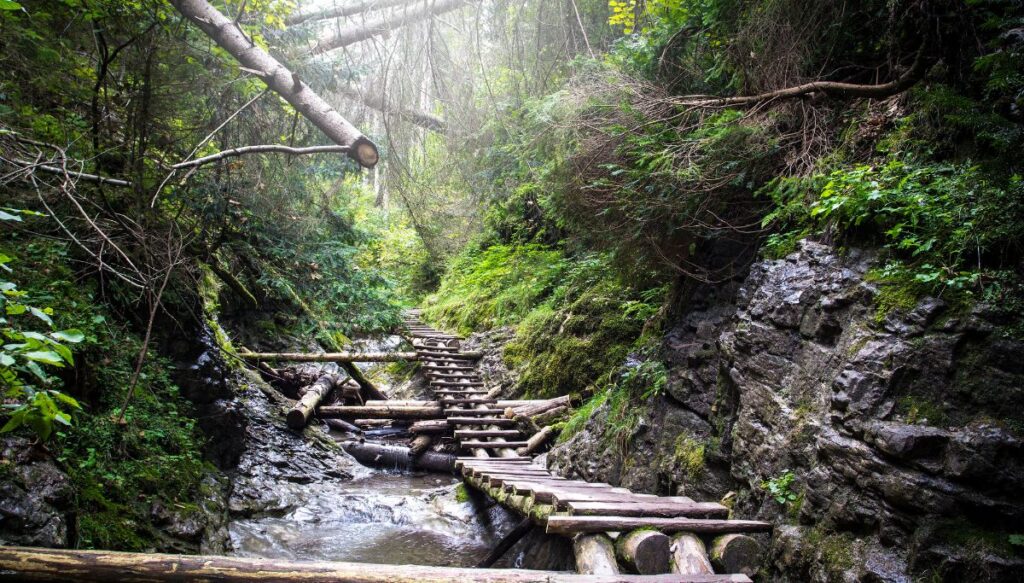
Slovak Paradise is the only place I’ve ever hiked where I spent part of the day climbing metal ladders beside waterfalls.
And honestly? It was one of the most fun hiking days I’ve had anywhere in Europe.
I tackled the Suchá Belá Gorge trail, which is probably the park’s most famous route.
Calling it a “hiking trail” almost feels misleading because you’re constantly crossing streams, climbing up steel ladders, walking along narrow catwalks bolted into cliffs, and squeezing through sections of the gorge where the rock walls seem impossibly close together.
It’s basically an obstacle course designed by Mother Nature. It was challenging, but I absolutely loved every minute of it.
The waterfalls also become more dramatic the farther you climb, and reaching Misové Waterfalls felt genuinely rewarding because you’d actually worked hard to enjoy this epic view.
FYI, waterproof hiking shoes are an absolute must, even in good weather. There are enough wet sections scattered throughout this hike to make regular sneakers totally impractical.
For me, this wasn’t just one of the most memorable hikes in Slovakia. Instead, it became one of the most unique experiences of my trip (in a good way).
Of all the national parks in Slovakia, Slovak Paradise stood out because the journey was just as exciting as the destination.
14. Pieniny National Park
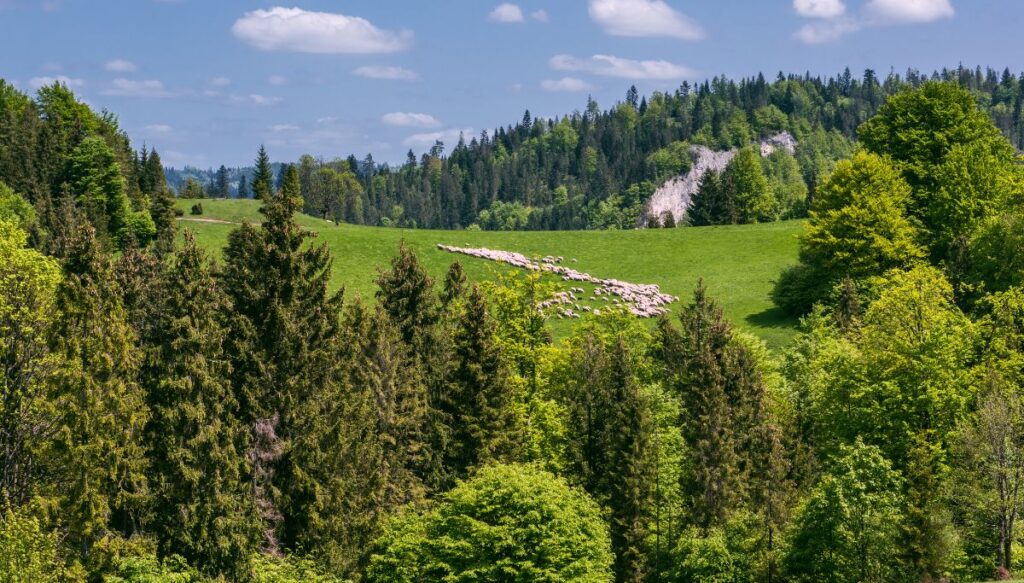
Sometimes the quietest places end up leaving the most lasting impressions on us. At least that was true for me at Pieniny National Park.
After several busy days exploring castles and larger mountain areas, visiting this area felt like someone had turned down the volume a notch.
The park is best known for the Dunajec River Gorge, where towering limestone cliffs rise above emerald water marking part of the border between Slovakia and Poland.
Instead of going hiking immediately, I decided to take one of the traditional wooden raft trips down the river. It sounded a little touristy, but it ended up being surprisingly relaxing.
Floating beneath the cliffs while the guides pointed out local landmarks and wildlife gave me a better appreciation for the area and it’s gorg (see what i did there?) landscape.
Later, I hiked part of the trail toward Sokolica, one of the park’s most iconic viewpoints. The climb isn’t especially long, but the panoramic views over the winding river below are well worth the effort.
I stayed overnight in nearby Červený Kláštor, which made exploring the park much easier because I didn’t have to try and cram everything into a single afternoon.
When people talk about Slovakia’s nature, destinations like the High Tatras usually steal the show. But Pieniny has a quieter feel to it that I really enjoyed.
15. Demänovská Cave of Liberty
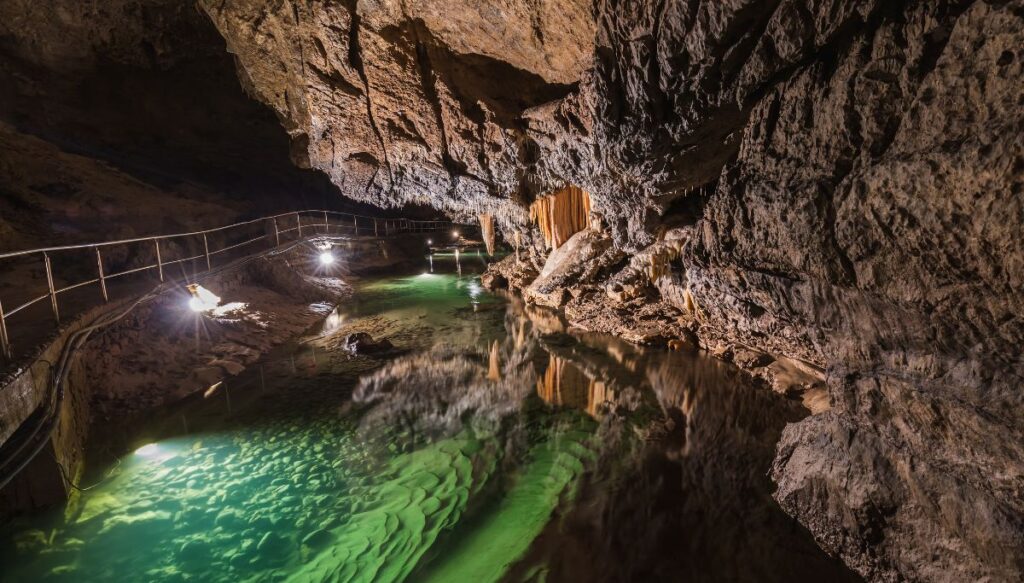
I’ve visited a lot of caves over the years. Most of them look alike and start to blur together. Demänovská Cave of Liberty absolutely did not. Nope. It 100% left a beyond-lasting impression.
Located in the Low Tatras, this enormous cave system feels almost endless.
The guided tour winds through chamber after chamber filled with towering stalagmites, delicate stalactites, underground lakes, and rock formations that become even more impressive even after you think you’ve seen the best part.
What surprised me most was the scale. Some of the chambers are enormous, while others narrow into intricate passages that make the cave always feel new and exciting.
The cave stays around 6–7°C (43–45°F) year-round, which was wonderful after hiking outside in the heat. However, that was only because I’d remembered to bring a fleece.
Several people around me clearly hadn’t, and by the end of the tour they looked like they regretted every life decision that brought them there in shorts and T-shirts.
I combined my visit with a trip to Jasná in the Low Tatras in the afternoon before stopping at Koliba Bystrina for dinner.
The hearty Slovak food dished up here is exactly what I was craving after several hours spent underground.
Among all the hidden nature spots in Europe I’ve visited, Demänovská Cave of Liberty deserves a lot more recognition than it gets.
It’s one of those places that reminds you just how much incredible scenery exists beneath the surface. So, dare to be adventurous and enjoy all the awesomeness this epic spot has to offer.
Hidden Gems in Slovakia
16. Vlkolínec
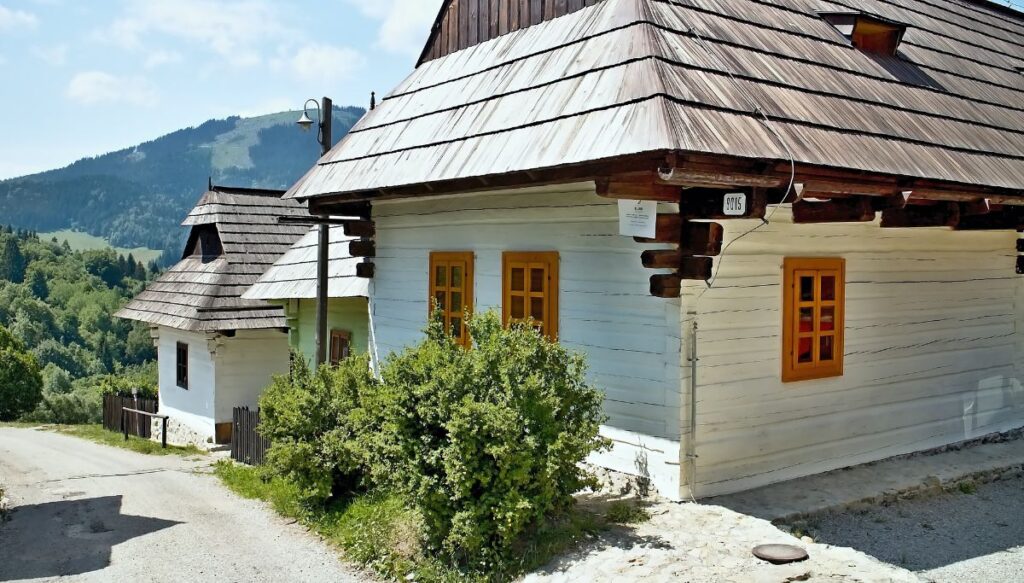
If there was ever a village that made me feel like I’d accidentally walked into a living history museum, it was Vlkolínec. Except… people actually live here, and it’s 10,000 times cooler than a museum.
Tucked into the mountains just outside Ružomberok, this tiny UNESCO-listed village is made up of beautifully preserved wooden houses painted in bright shades of blue, yellow, and red.
There are no grand cathedrals or enormous castles. Instead, the charm of this place comes entirely from how wonderfully ordinary everything feels.
I arrived in the late afternoon after spending the morning exploring nearby ruins, and the timing couldn’t have been better.
Most of the day visitors had already left, so the village was incredibly peaceful. Chickens wandered down the street, smoke drifted up from chimneys, and it felt like time had just suddenly slowed down.
I stopped at a small traditional restaurant inside the village and ordered homemade bryndzové halušky with a glass of žinčica, a fermented sheep’s milk drink that’s… definitely an acquired taste.
I’m glad I tried it once, but once was more than enough for me.
While I loved this spot, I wouldn’t spend an entire day here. Vlkolínec is small, but that’s part of its appeal. Pair it with nearby Ružomberok or a drive through the surrounding mountains after a quick stop.
Of all the hidden gems in Slovakia, this was the place that made me feel like I’d hopped in a DeLorean and gone back in time.
17. Čičmany
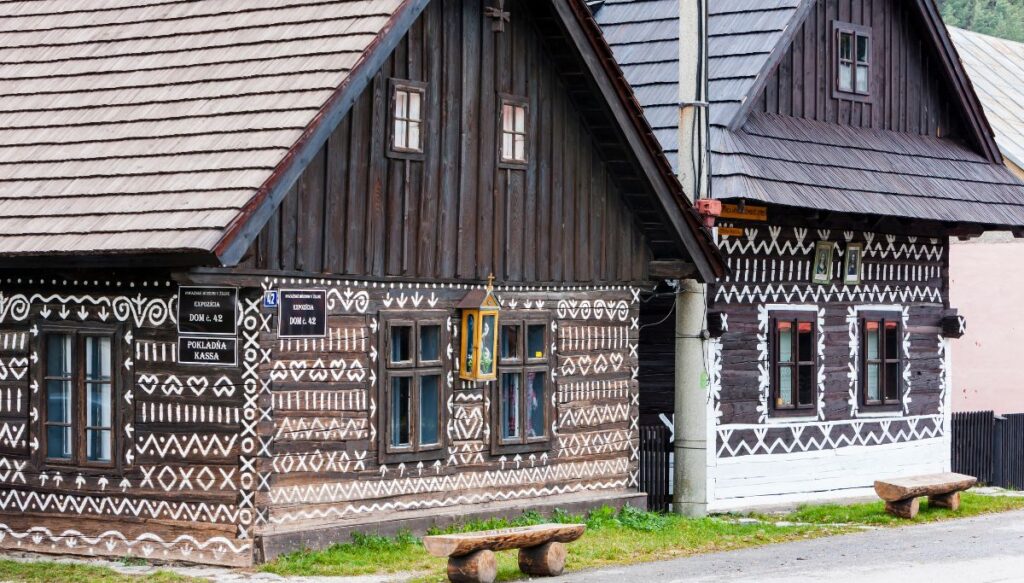
I’ll be honest. The first time I saw a picture of Čičmany, I assumed someone had decorated the houses for a festival. Nope. They actually look like that all year long.
The village is famous for its traditional wooden homes covered in intricate white geometric patterns that were originally painted to protect the timber but eventually became art in their own right.
Walking through the streets feels a little like wandering through a Scandinavian Christmas town, with WAY better mountains.
Just know that Čičmany isn’t huge. So, it’s best enjoyed slowly. I spent more time photographing tiny details than famous attractions.
But I still loved my time here because every doorway, painted beam, and flower box seemed to have its own personality.
I also visited the Radenov House Museum, which gave me a much better appreciation for how people traditionally lived in this part of Slovakia.
It’s small but surprisingly interesting since I didn’t know a ton about this region before I visited.
Lunch at Javorina Restaurant was another highlight. I ordered homemade pirohy filled with bryndza cheese, and if Slovakia has taught me anything, it’s that there’s no such thing as too many dumplings.
I dunno about you, but “Life’s too short, have another dumpling,” is my personal philosophy.
If you’re driving through the central part of the country, Čičmany is an easy detour and one of the most unique things to do in Slovakia.
It’s unlike anywhere else I’ve visited in Europe, and that’s saying something because I have deffo been to a lot of places.
18. Súľov Rocks
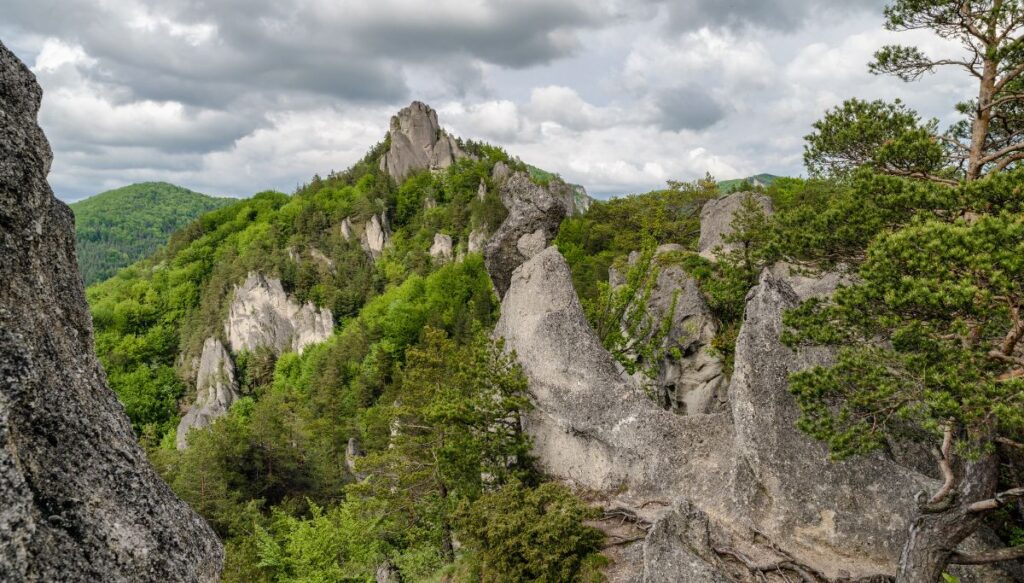
Súľov Rocks is one of those places where the landscape genuinely makes you stop and ask, “How did this happen?”
That’s mainly because massive limestone towers rise dramatically above the forest, creating strange rock formations that look almost too perfect to be natural. But, spoiler alert, they are.
Some resemble giant mushrooms, others look like ruined castles, and a few seem to defy gravity altogether. Yup, Wicked, eat your heart out.
I hiked the circular trail from Súľov-Hradná, and it takes you past several viewpoints before you reach the ruins of Súľov Castle perched among the rocks.
The climb isn’t especially difficult, but there are enough uneven sections to make sturdy shoes a worthwhile choice.
The castle ruins themselves are modest compared to places like Spiš or Orava. But that’s not really why you come here. It’s more like a small added bonus.
The real attraction is standing on the rocky viewpoints surrounded by these bizarre limestone formations stretching out across the landscape.
I also packed a picnic for the hike, which turned out to be one of my better decisions. There are several scenic spots where you can sit for a while and enjoy the view before heading back down the trail.
Compared with Slovakia’s better-known mountain destinations, Súľov Rocks receives surprisingly few visitors.
It’s exactly the sort of off-the-beaten-path Slovakia experience that reminds me why I love renting a car and going beyond the usual tourist spots.
19. Tokaj Wine Region
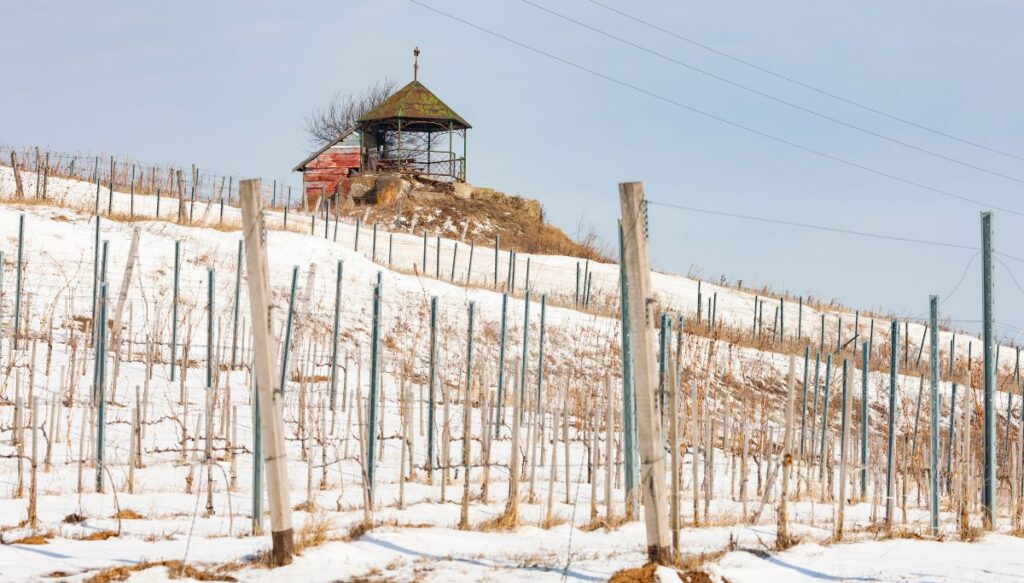
By the time I go to Slovakia’s Tokaj Wine Region, I thought I had a pretty good idea of what the country was about. You know, mountains, castles, medieval towns, etc.
Then I suddenly spent the afternoon tasting wine in rolling vineyards near the Hungarian border and had my mind completely blown.
See, this tiny corner of southeastern Slovakia produces Tokaj wine, as they do in Hungary. But this region isn’t nearly as famous and receives only a fraction of the visitors.
And, as you probably already guessed, that turned out to be a very good thing.
I visited the historic wine cellars at Ostrožovič Winery, where I learned far more about sweet Tokaj wines than I ever expected.
The underground tunnels carved into volcanic rock were almost as fascinating as the tasting itself.
For lunch, I stopped at Pension Zlatá Putňa, where the menu paired local wines with traditional regional dishes.
Sitting on the terrace overlooking the vineyards was one of the most relaxing afternoons of my entire trip.
If you’re planning to visit, I’d recommend spending the night rather than trying to squeeze it all into a day trip. Trust me, wine tasting is much more enjoyable when you’re not obsessed with the time.
Among the most underrated places in Slovakia, this region surprised me more than almost anywhere else. It is a completely different side to the country that many travelers never experience.
So, don’t be like everyone else and do give this place a bit of your time.
20. Muránska Planina National Park
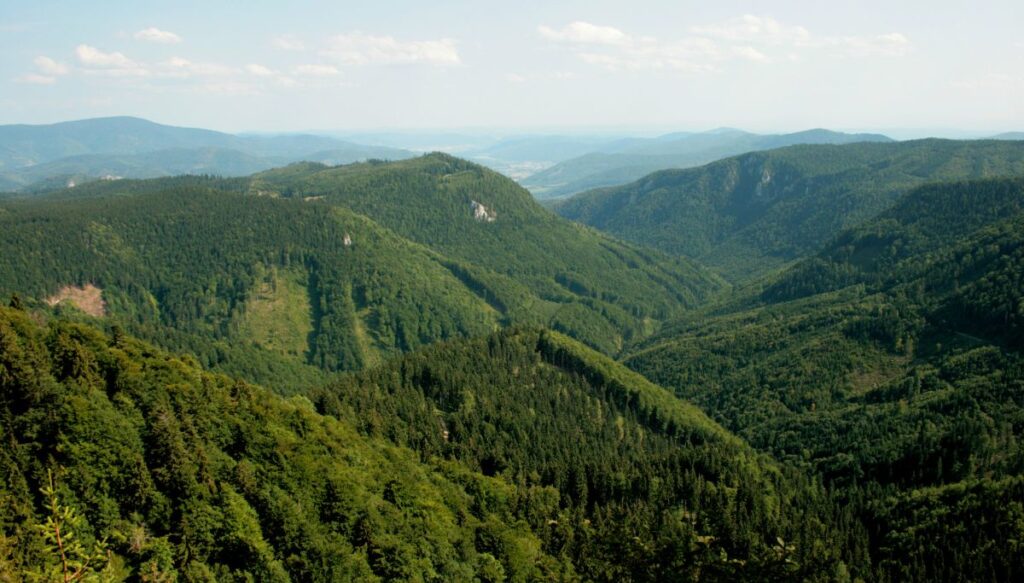
Muránska Planina ended up being one of those places that made me feel like I’d discovered a completely different side of Slovakia.
See, there were no tour buses. No souvenir stands. No crowds waiting for the perfect Instagram photo.
Instead, I just found forests, mountains, wildflower-filled meadows, and an enormous amount of wide open space.
The park is also famous for its wild horses, and I was lucky enough to spot several grazing near the open pastures around Veľká Lúka.
Seeing them roaming freely with the mountains in the background was one of my favorite wildlife experiences in the region.
I also hiked up to Muráň Castle, which sits dramatically above the surrounding countryside. The trail is steady rather than steep, and the panoramic views from the ruins make every step worthwhile.
One thing I appreciated most about the park was the distinct lack of tourists. I spent hours hiking and encountered only a handful of other people, which is becoming increasingly rare in Europe.
So, if you’re looking to enjoy the best that the Slovak countryside has to offer, this is the place to be. The scenery feels wild, authentic, and wonderfully untouched.
For me, Muránska Planina perfectly embodies the reason why Slovakia deserves more attention. It’s beautiful without trying to be famous, and those are often the places that affect me the most.
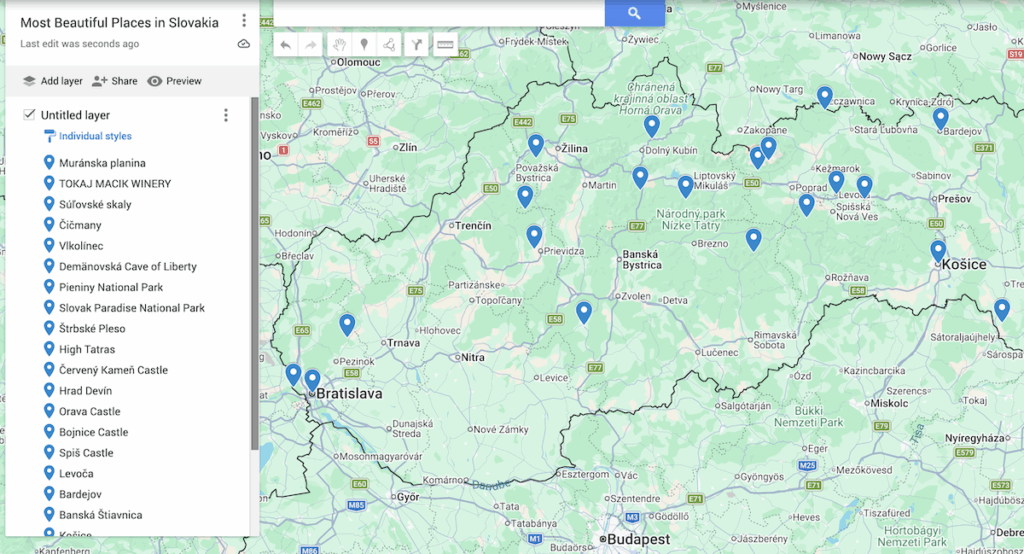
Map of the Most Beautiful Places in Slovakia
Conclusion
When I look back at my trip through Slovakia, the places that come to mind aren’t always the ones I expected.
Of course, I’ll never forget standing beneath the peaks of the High Tatras or wandering through the enormous ruins of Spiš Castle. Those places absolutely deserve their fame.
But I also think about painted wooden houses in tiny villages, climbing metal ladders through Slovak Paradise, and driving down quiet country roads because they looked interesting.
Those were the moments that made the trip truly unforgettable.
I think that’s what surprised me most about Slovakia. Before visiting, I saw it as a destination sandwiched between a handful of countries that seem to get more attention.
After my trip, I realized it’s a place with its own personality and that it will totally astound you if you dare to be different and travel beyond the traditional tourist spots.
Within a single road trip, I visited dramatic mountains, centuries-old castles, charming medieval towns, underground cave systems, peaceful vineyards, and tiny villages where life moves at its own pace.
The truly magical part about it is that there is so much variety packed into a relatively compact area. There are also even fewer tourists than I ever imagined.
So if you’re planning a trip, don’t just visit Bratislava and bounce. Spend a few extra days exploring the mountains.
Take the scenic route instead of the highway. Spend the night in small towns. Stop at roadside viewpoints. Eat the dumplings. Climb to the top of castle towers even when your legs are exhausted.
Sure, there are plenty of articles online that detail the best places to visit in Slovakia. However, no single itinerary can capture everything this country has to offer.
I left with muddy hiking boots, too many castle photos, and a growing appreciation for just how underrated Slovakia still is.
And if there’s one thing I learned from this trip, it’s this: Slovakia rewards the curious.