
The Annapurna Circuit Trek is one of those journeys where the scenery keeps changing almost every day.
The trail begins in the green hills of central Nepal and gradually moves into pine forests, dry mountain valleys, and the high Himalayas.
Along the way, you’ll pass through villages, monasteries, farmland, and traditional tea houses before reaching the demanding Thorong La Pass.
What makes the route especially interesting is its cultural diversity. The communities, architecture, food, and religious traditions change as you move between the lower hills and the higher valleys around Manang and Mustang.
But the Annapurna Circuit is not just a scenic walk. The altitude, long walking days, changing weather, and high mountain pass require preparation.
This guide covers the route, highlights, difficulty, itinerary, best seasons, cost, permits, packing, and practical tips to help you plan the trek with realistic expectations.
What Makes the Annapurna Circuit Trek Special?
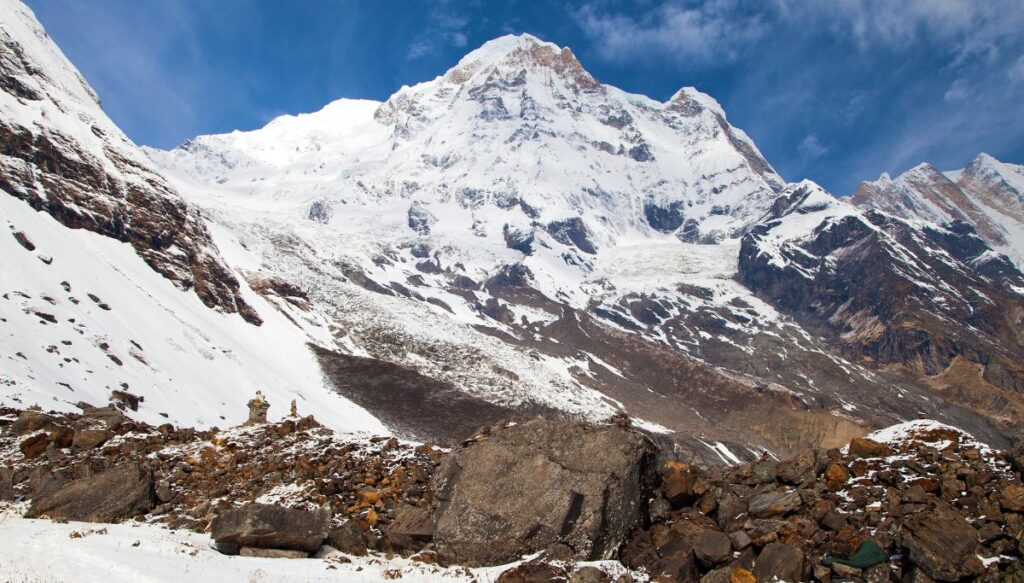
The biggest strength of the Annapurna Circuit is its variety. Few treks in Nepal offer such a noticeable change in landscape within a single journey.
The lower sections are green and subtropical, with terraced fields, waterfalls, and rivers cutting through steep valleys.
As you climb toward Manang, the vegetation becomes thinner and the mountains begin to dominate the horizon.
The cultural landscape changes too. You encounter different communities and traditions, including Gurung, Manang, and Thakali influences.
Buddhist monasteries, prayer flags, mani walls, and traditional houses become more common as you approach the higher sections.
Then comes Thorong La Pass, the highest point of the classic circuit at around 5,416 meters. Crossing it is physically demanding, but the landscape from the pass makes the effort worthwhile.
Another attraction is the flexibility of the route. Roads have changed parts of the traditional trail, but trekkers can still choose sections that provide a more rewarding walking experience.
For travelers who want mountains, culture, changing landscapes, and a genuine high-altitude challenge in one trip, the Annapurna Circuit remains a strong choice.
Annapurna Circuit Trek Route and Major Highlights
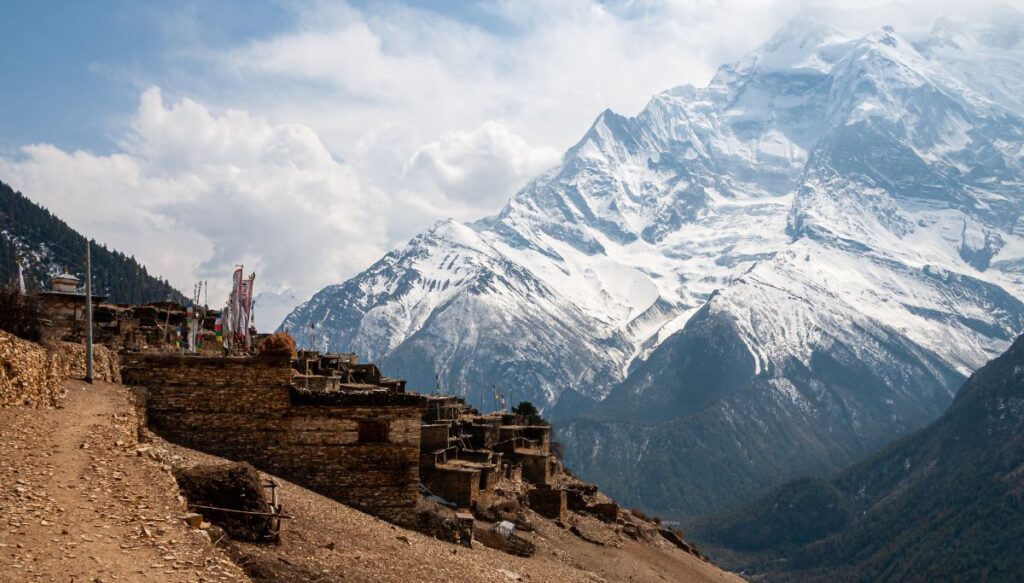
The exact route can vary depending on road conditions and the itinerary you choose, but the journey generally follows the Marsyangdi Valley before crossing into the Kali Gandaki region.
Starting in the Lower Annapurna Region
The trek begins in the lower hills, where the surroundings are greener and warmer. Rivers, waterfalls, terraced farmland, and forested slopes are common along the early sections.
As the trail climbs, the valley gradually narrows and the landscape becomes more mountainous.
Traditional settlements along the route provide opportunities to stop for tea, meals, and conversations with local residents.
Reaching Manang Valley
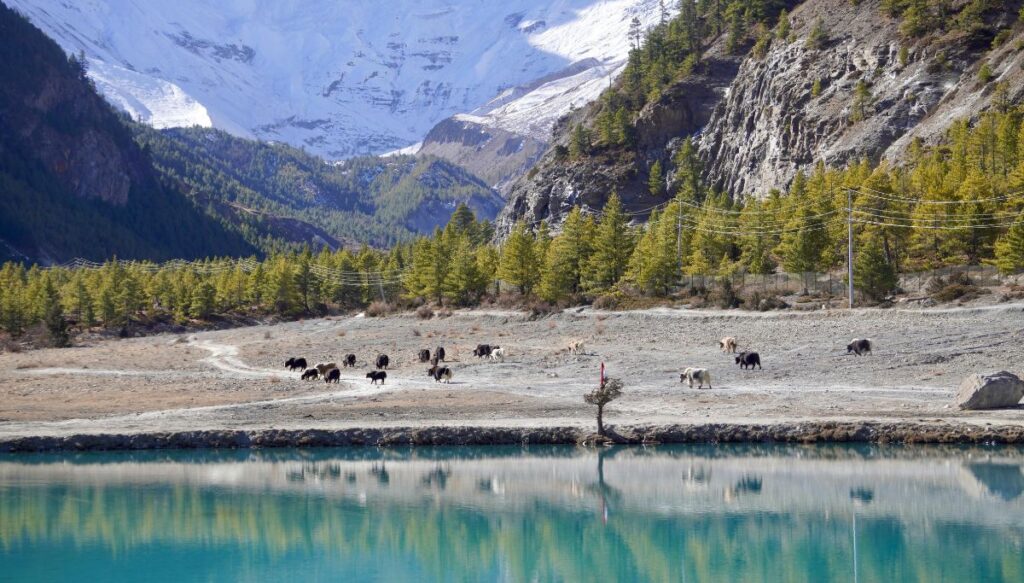
Manang marks a noticeable change in both scenery and climate.
The landscape becomes drier, with rocky slopes and fewer trees. Snow-covered peaks surround the valley, while villages have a distinctly high-Himalayan character.
Manang is also an important acclimatization point. Spending an additional day here gives your body more time to adjust before you continue toward the higher sections of the route.
Crossing Thorong La Pass
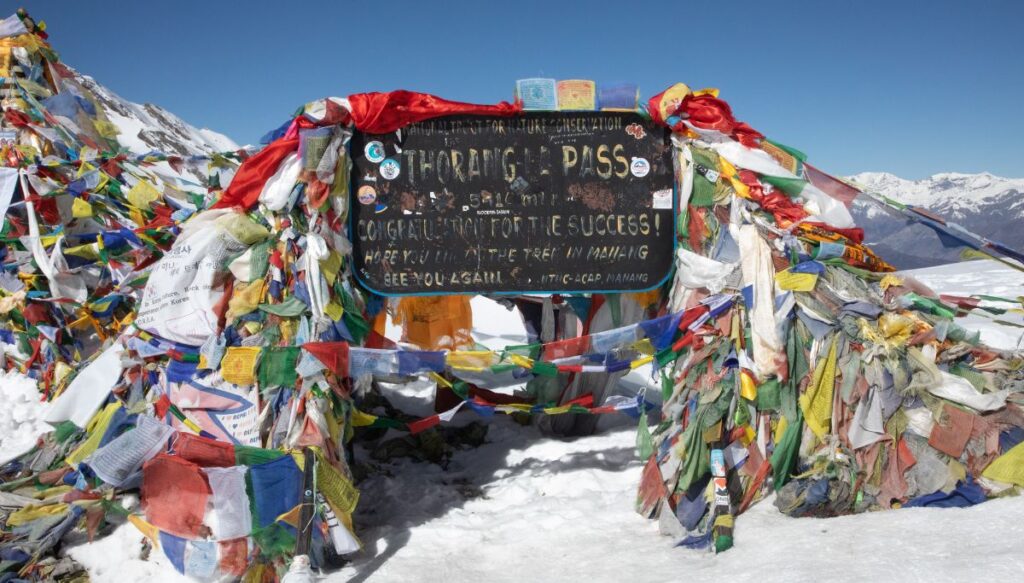
Thorong La is the biggest physical challenge of the trek.
The crossing usually starts early because weather and wind conditions can deteriorate later in the day.
The climb is steady rather than technical, but the altitude makes even a normal walking pace feel harder.
Once you reach the pass, you can see an expansive mountain landscape in several directions. After taking some time to appreciate the achievement, the trail descends toward Muktinath.
Muktinath and the Kali Gandaki Valley
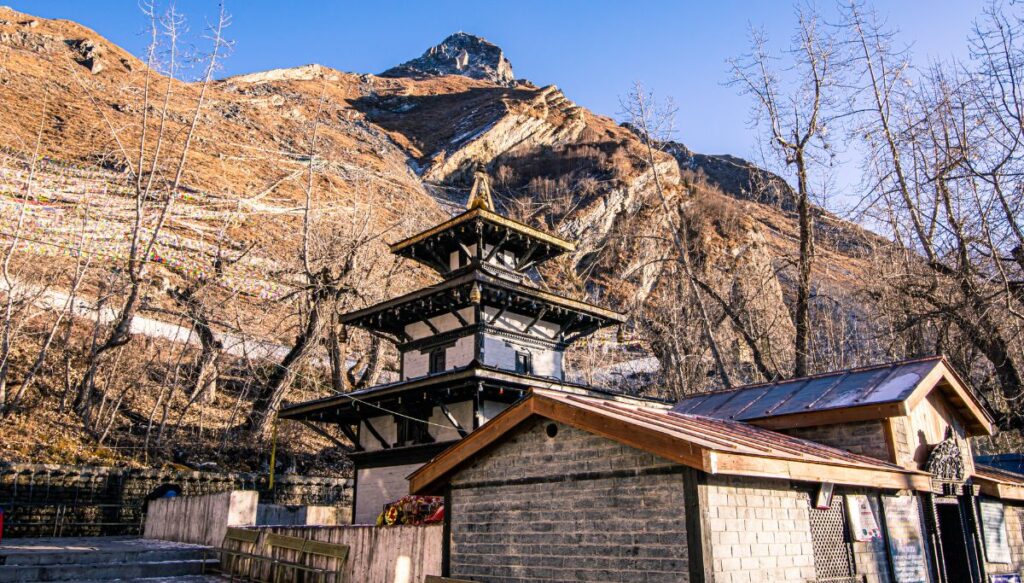
Muktinath is an important religious destination for both Hindu and Buddhist pilgrims. The area also marks a major transition in the landscape.
From here, the trail enters the Kali Gandaki region, where dry hills, windswept valleys, and traditional Thakali settlements create a very different atmosphere from the greener lower sections.
What Mountains Can You See on the Annapurna Circuit?
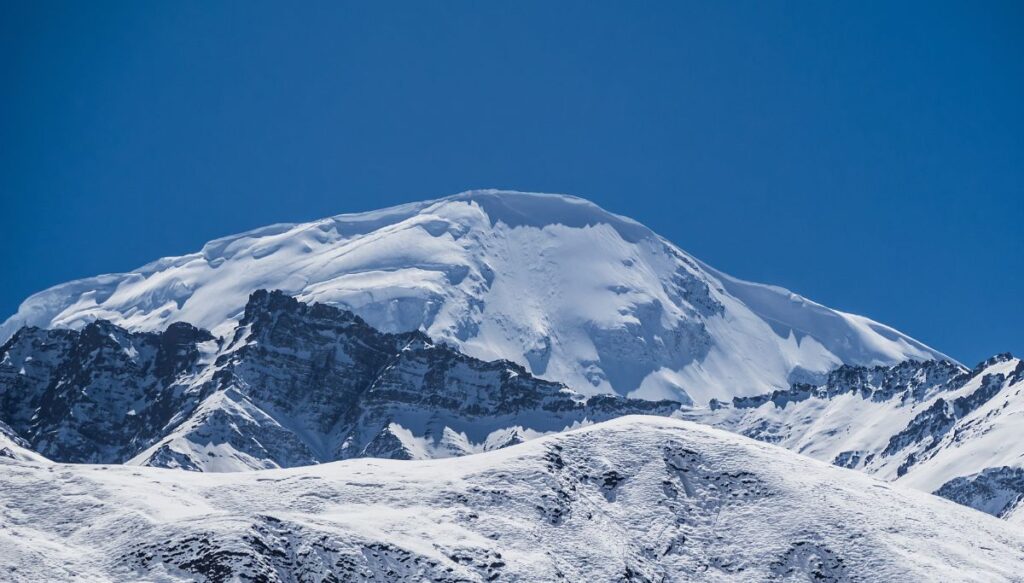
The Annapurna Circuit provides views of several major Himalayan peaks, although visibility naturally depends on weather and your location along the trail.
Among the mountains you may see are:
- Annapurna I
- Annapurna II
- Annapurna III
- Annapurna IV
- Annapurna South
- Dhaulagiri
- Manaslu
- Gangapurna
- Tilicho Peak
The mountain scenery is not limited to one famous viewpoint. Instead, the peaks appear in different combinations as the trail moves through changing valleys.
Around Manang, for example, the mountains rise dramatically above the valley.
Further west, the landscape around the Kali Gandaki becomes drier and more open, with Dhaulagiri and other peaks providing a striking backdrop.
This constant change is one of the reasons the Annapurna route remains popular even after decades of trekking.
Culture and Villages Along the Annapurna Circuit
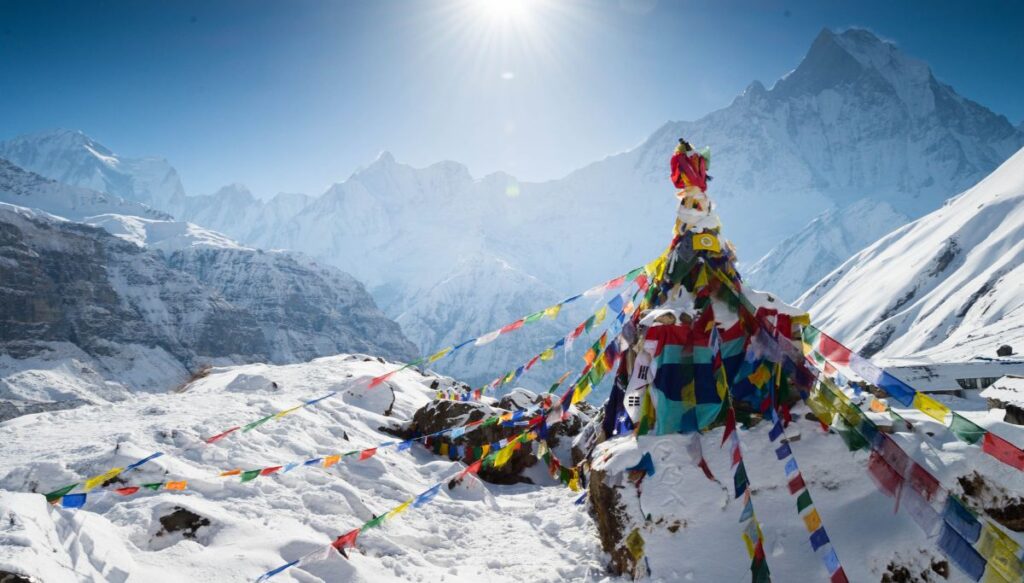
The Annapurna Circuit is also a cultural journey. Different communities have developed their own traditions, architecture, food, and religious practices along the route.
This becomes especially noticeable as you travel from the lower hills toward Manang and Mustang.
Traditional Mountain Communities
Gurung, Manang, and Thakali communities are among those associated with different sections of the wider Annapurna region.
Traditional stone houses and village layouts reflect the environment in which people live. In higher areas, buildings are designed to withstand colder temperatures and harsh mountain conditions.
Buddhist and Hindu Traditions
Religious traditions are visible throughout the route. Prayer flags flutter above mountain settlements, while mani walls and Buddhist monasteries appear in several villages.
Muktinath is particularly significant because of its importance to both Hindu and Buddhist pilgrims.
Trekkers should treat religious sites respectfully. Avoid climbing on mani walls or monuments, and ask before photographing people during religious activities.
Life Along the Trail
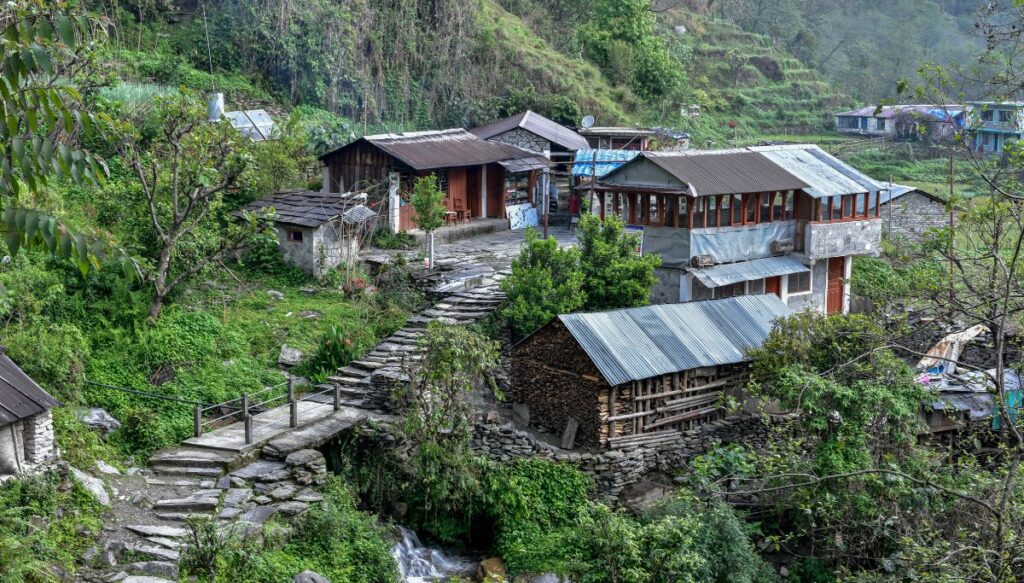
Tea houses are an important part of the trekking experience. They provide simple accommodation, meals, hot drinks, and a place to rest after a long day.
Staying in locally run tea houses also gives trekkers a chance to interact with people who live and work in these mountain communities.
Annapurna Circuit Trek vs Other Himalayan Routes
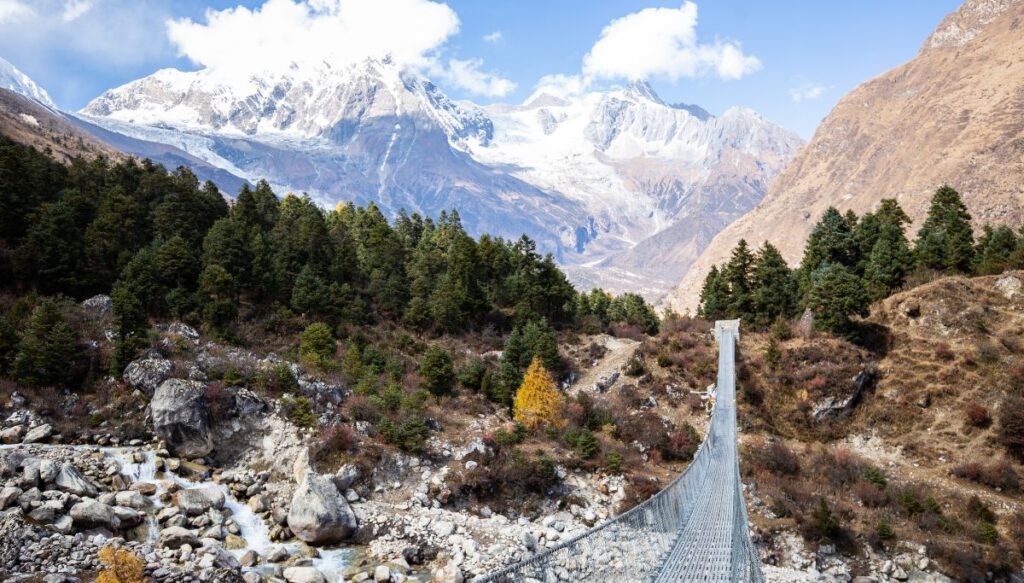
Nepal has several excellent trekking routes, and choosing between them often comes down to the type of experience you want.
The Annapurna Circuit is well known for its landscape diversity and established tea-house infrastructure. However, trekkers who want a more remote experience may consider other routes.
If you enjoy the idea of long days in the mountains but want a quieter and more remote route, a trek to Manaslu Circuit can be an appealing alternative.
The route follows the Budhi Gandaki Valley through traditional villages and Tibetan-influenced communities before reaching the Larkya La Pass.
Manaslu and Annapurna both offer high mountain passes, spectacular scenery, and cultural experiences, but they feel quite different on the trail.
The Manaslu region generally has a stronger sense of remoteness, particularly in its upper sections.
Alternatively, the Annapurna Circuit has more established trekking infrastructure and a broader range of accommodation and services.
Everest Base Camp is another option for trekkers whose main goal is seeing Mount Everest and experiencing Sherpa culture.
Meanwhile, Langtang Valley offers a shorter Himalayan experience with Tamang culture and impressive views of Langtang Lirung.
There is no universal “best” trek. Your availablity, fitness, preferred level of remoteness, and interest in different cultures should guide the decision.
Annapurna Circuit Trek Difficulty
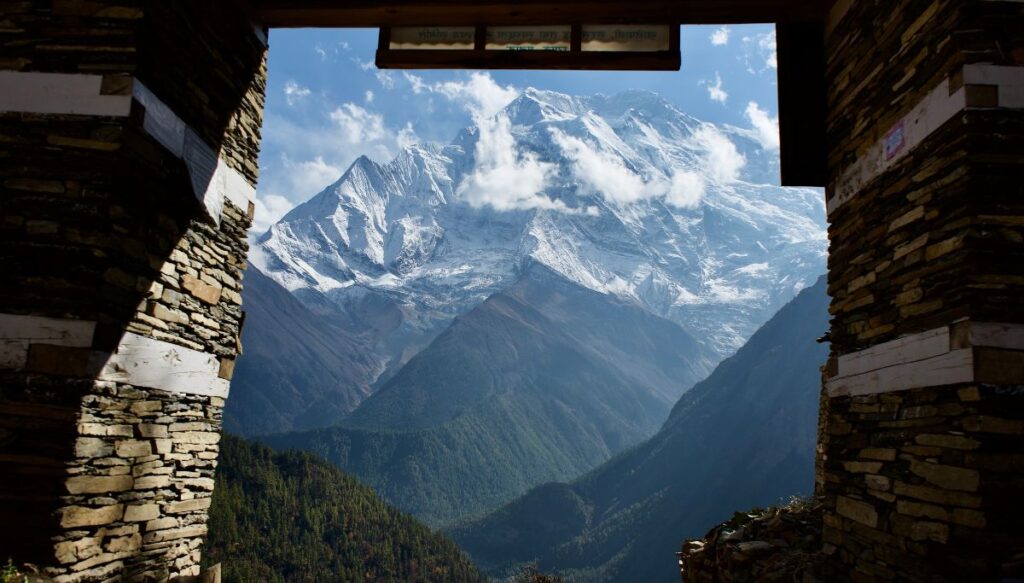
The Annapurna Circuit is generally considered a challenging trek, mainly because of its length, altitude, and Thorong La crossing.
You do not need technical climbing skills for the standard route. However, you should be comfortable walking for several hours a day over uneven and sometimes steep terrain.
Daily Walking
Many trekking days involve around six to eight hours of walking, although the exact duration depends on the itinerary and trail conditions.
It is better to maintain a steady pace than to try to finish quickly. The higher you go, the more important it becomes to conserve energy.
Altitude
Altitude is one of the biggest concerns on the circuit. The trail climbs gradually, but the elevation becomes significant around Manang and above.
This is why a proper acclimatization schedule matters. Headache, unusual tiredness, dizziness, nausea, and difficulty sleeping can be signs of altitude sickness.
Symptoms that become worse should never be ignored.
Thorong La Pass
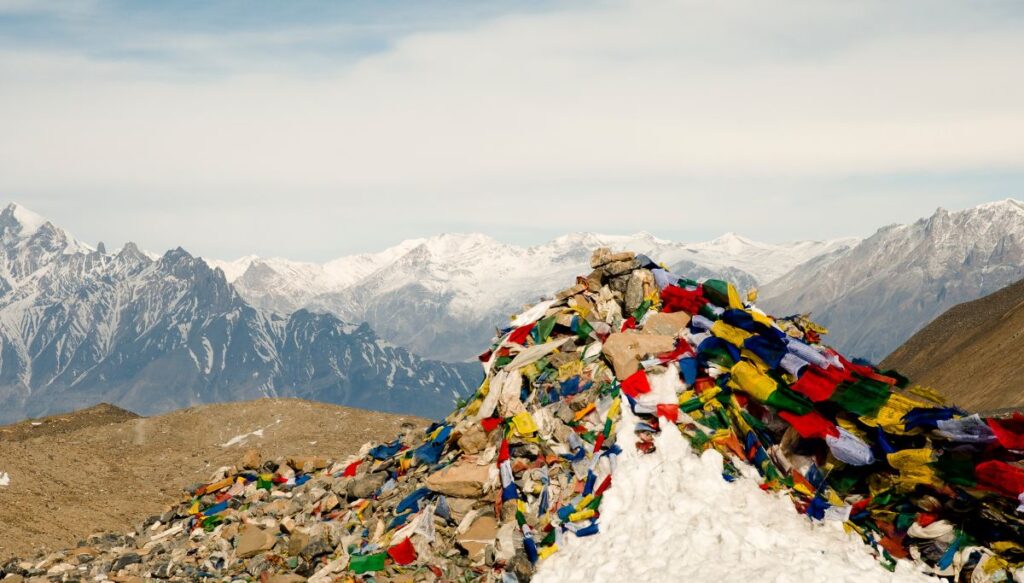
The pass is the most demanding section for many trekkers. The combination of elevation, cold temperatures, wind, and a long ascent can make the crossing difficult.
Starting early, walking at a manageable pace, staying hydrated, and following your guide’s advice can make the day more manageable.
Annapurna Circuit Trek Itinerary
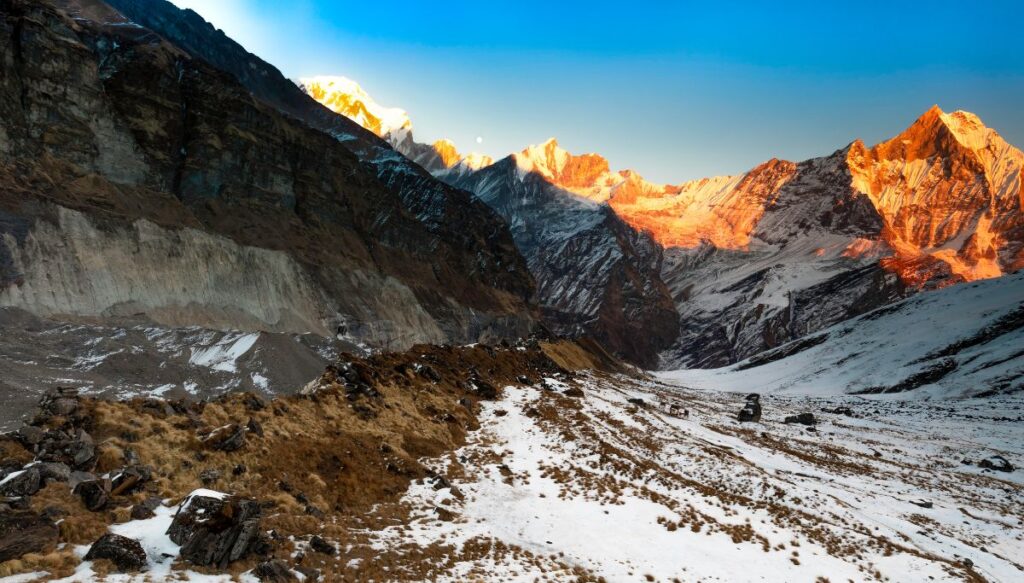
A typical itinerary can take around 10–15 days depending on transportation, acclimatization, walking preferences, and the sections included. A sample itinerary may look like this:
Day 1: Drive to Dharapani
Travel from Kathmandu toward the Annapurna region and begin the trek around Dharapani, depending on the current road conditions and itinerary.
Day 2: Dharapani to Chame
Walk through forests and mountain villages toward Chame, the administrative center of Manang District.
Day 3: Chame to Pisang
The landscape becomes increasingly alpine, with spectacular mountain views appearing around the valley.
Day 4: Pisang to Manang
Continue toward Manang while gaining significant elevation. The upper Pisang route is particularly scenic if trail conditions allow.
Day 5: Acclimatization in Manang
Take a rest day to adjust to the altitude. Short hikes around the area are often better than spending the entire day inactive.
Day 6: Manang to Yak Kharka
The landscape becomes increasingly dry and mountainous as you continue toward the higher elevations.
Day 7: Yak Kharka to Thorong Phedi
Walk toward the base of the Thorong La crossing and prepare for an early start the following morning.
Day 8: Thorong La Pass to Muktinath
Cross Thorong La early and descend toward Muktinath. This is usually the longest and most demanding day.
Day 9: Muktinath to Jomsom
Continue through the Kali Gandaki Valley toward Jomsom, passing through dry mountain landscapes and traditional settlements.
Day 10: Jomsom to Pokhara
Travel from Jomsom toward Pokhara, depending on the current transportation arrangements.
This is only a sample. A safer itinerary may include additional acclimatization or shorter walking days depending on the group’s pace and conditions.
Best Time for the Annapurna Circuit Trek
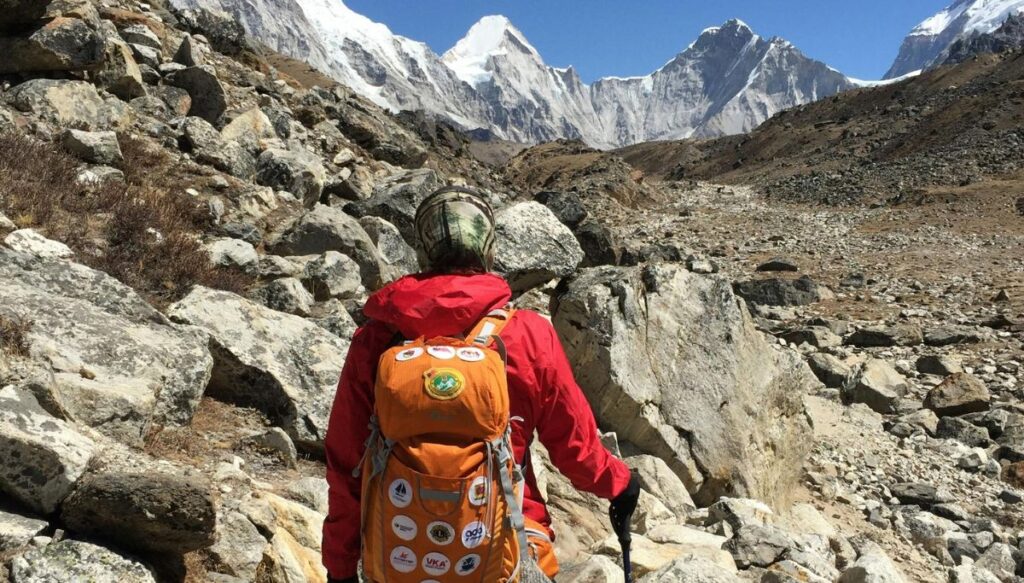
The best trekking periods are generally spring and autumn, although conditions vary between the lower and higher sections.
Spring: March to May
Spring brings warmer temperatures and generally good trekking conditions.
The lower sections become colorful with blooming rhododendrons, while mountain views can be excellent on clear days.
Autumn: September to November
Autumn is one of the most popular seasons for the Annapurna Circuit. The monsoon has usually cleared the atmosphere, creating good mountain visibility.
October and November are particularly busy, so popular tea houses may have more trekkers during this period.
Winter: December to February
Winter brings freezing temperatures at higher elevations and significant snowfall around Thorong La.
The pass can become difficult or temporarily inaccessible during severe weather.
Anyone considering a winter crossing should check current conditions and take advice from experienced local guides.
Monsoon: June to August
Rain affects the lower sections of the Annapurna region, and landslides or muddy trails can create travel difficulties.
However, the Mustang side lies in a rain-shadow area and can experience different conditions.
Annapurna Circuit Trek Permits
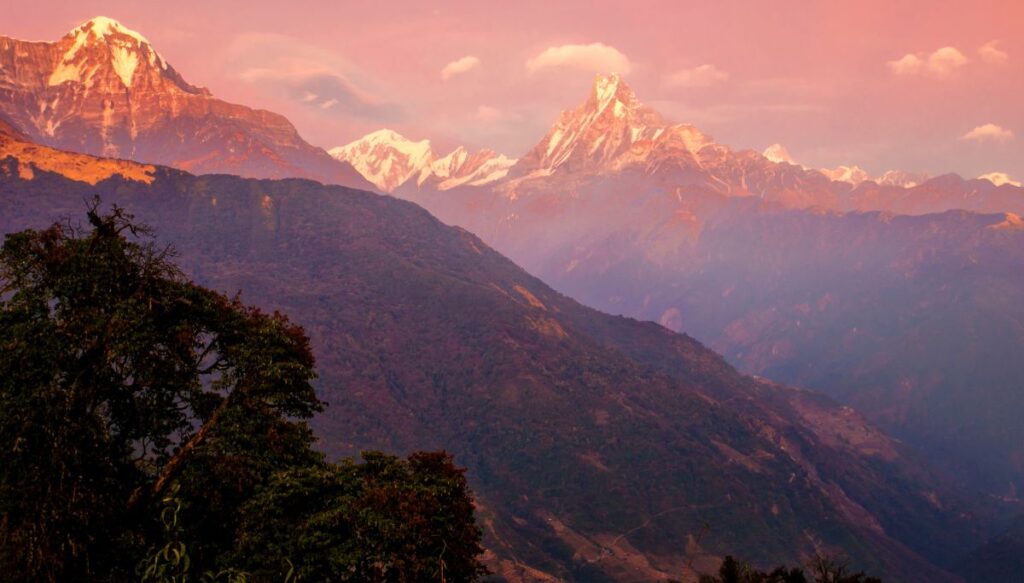
The Annapurna Conservation Area Permit (ACAP) is required for the Annapurna Circuit Trek because the route passes through the Annapurna Conservation Area.
If you are trekking with an agency, your trekking company will normally arrange the required permit before you begin the journey.
Carry your passport and a few passport-sized photographs if requested during the permit process.
Permit fees and entry requirements can change, so check the latest information before your departure.
It is also a good idea to confirm the requirements with your trekking agency before traveling to the trailhead.
How Much Does the Annapurna Circuit Trek Cost?
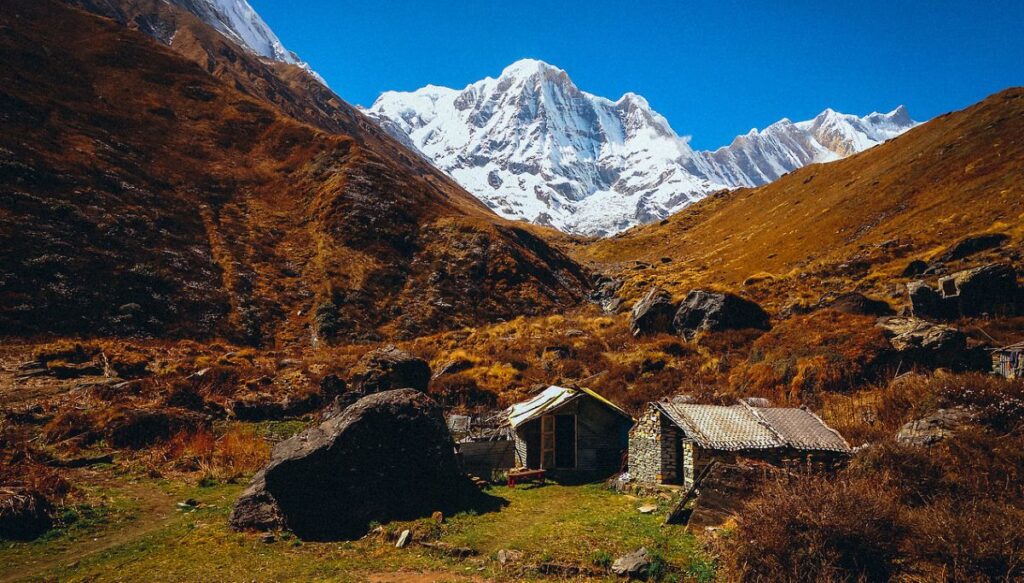
The total cost depends heavily on how you travel and what your package includes. Major expenses can include:
- Conservation area and trekking permits
- Guide and porter services
- Accommodation
- Meals and drinks
- Transportation
- Travel insurance
- Equipment rental
- Charging and internet
- Snacks and personal expenses
A budget trek can cost considerably less than a fully organized package, but independent travelers still need to account for transportation, permits, accommodation, food, and emergency expenses.
If you choose an organized trek, check exactly what is included before comparing prices.
Two packages with different prices may include very different levels of transport, accommodation, meals, guide services, and support.
What to Pack for the Annapurna Circuit Trek

Packing for the Annapurna Circuit requires preparation for both warm lower valleys and freezing high-altitude conditions.
Clothing
Bring clothing that can be layered, including:
- Moisture-wicking base layers
- Fleece or warm mid-layer
- Down or insulated jacket
- Waterproof jacket
- Trekking trousers
- Warm hat and gloves
- Several pairs of trekking socks
Trekking Equipment
Useful equipment includes:
- Comfortable trekking boots
- Backpack or duffel bag
- Sleeping bag suitable for cold conditions
- Trekking poles
- Headlamp
- Water bottle
- Sunglasses
- Sunscreen
Personal Essentials
Carry personal medication, basic first-aid supplies, toiletries, and some cash for expenses along the trail.
A power bank can also be useful because charging availability varies between villages.
Avoid overpacking. A heavy bag becomes increasingly uncomfortable on long uphill sections.
Tips for a Safe and Comfortable Annapurna Circuit Trek
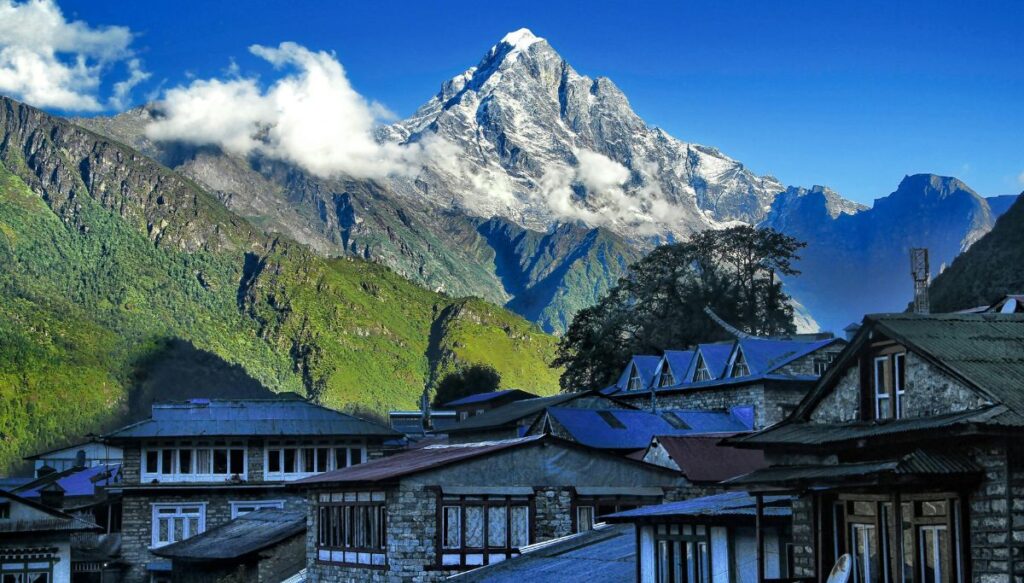
A few simple habits can make the journey considerably easier.
- Walk slowly at altitude. There is no advantage to racing ahead of the group.
- Take acclimatization seriously. Your body needs time to adapt as you climb.
- Stay hydrated. Drink regularly throughout the day rather than waiting until you feel thirsty.
- Start early for Thorong La. An early start provides more time to cross before afternoon weather becomes unpredictable.
- Dress in layers. Conditions can change quickly, especially around high passes.
- Listen to your body. Persistent or worsening altitude symptoms should be reported to your guide immediately.
- Check local conditions. Road construction, weather, landslides, and trail changes can affect the route from one season to another.
- Most importantly, do not treat the itinerary as a race. Allow enough time to walk comfortably and respond to changing conditions.
Conclusion
The Annapurna Circuit remains popular for a good reason.
It gives trekkers a rare combination of changing landscapes, dramatic Himalayan peaks, traditional villages, and cultural diversity within one journey.
The crossing of Thorong La is a serious challenge, but it is only one part of the experience.
The quiet mornings in mountain villages, conversations in tea houses, changing landscapes around Manang, and arrival in the dry Kali Gandaki Valley are equally memorable.
Take time to prepare properly, choose an itinerary that allows your body to acclimatize, and check current trail and permit conditions before leaving.
If you want a more established and diverse trekking route, Annapurna is an excellent choice. If greater remoteness appeals to you, the Manaslu region offers another rewarding Himalayan experience.