
Every traveler who sets foot in Oaxaca ends up searching for the best things to do in Oaxaca City.
It makes sense since you want to make the most of your time in a place that’s brimming over with incredible history, culture, food, and art.
Whether you’ve got just a weekend or a couple of weeks, Oaxaca can feel overwhelming in the best possible way.
But I get it because the pain of too many choices is all too real. Should you spend your mornings sipping mezcal, exploring bustling markets, or hiking to ancient ruins?
And what about those free cultural gems hidden right in the city center that never make the guidebooks
With so many choices, it’s easy to get decision fatigue, and nobody wants to miss out on what truly makes Oaxaca special.
That’s where a little expertise comes in handy. I’ve been lucky enough to visit Oaxaca City multiple times, diving deeper into its neighborhoods, sampling more tlayudas than I can count, and discovering hidden gems that go beyond the usual tourist trail.
Stick with me, and together we’ll uncover not just the must-sees, but also those small things that make Oaxaca unforgettable.
Pro Tip: Before your trip, forget to buy your US e-SIM so that you have all the data you need for your visit. After all, Truly is a great company that will provide you with amazing service throughout the USA.
This post may contain affiliate links. Please see my disclosure for more information. As an Amazon Associate, I earn a small commission from qualifying purchases.
1. Hierve el Agua


Perched high in the mountains about 70 kilometers away from Oaxaca City, Hierve el Agua is one of those places that seems almost too surreal to be real.
Imagine mineral springs cascading over a cliffside for thousands of years, leaving behind what looks like a frozen waterfall made of stone.
Add in some sweeping views of the Sierra Madre mountains and turquoise pools you can actually swim in, and you’ve got one of the most magical day trips from Oaxaca.
What makes Hierve el Agua so special is a mix of natural wonder and cultural history.
The “waterfalls” themselves are formed from calcium deposits, similar to Turkey’s Pamukkale. But, here you’ll also find ancient Zapotec irrigation canals that are still visible today.
Spend the morning soaking in the infinity-like pools perched right on the edge of the cliffs, then wander along hiking trails that wind past cactus-dotted hillsides.
Just remember that the water is NOT warm and that you need to be extra careful when walking near the edge of the pools because it can get very slippery.
2. Try Some Mole

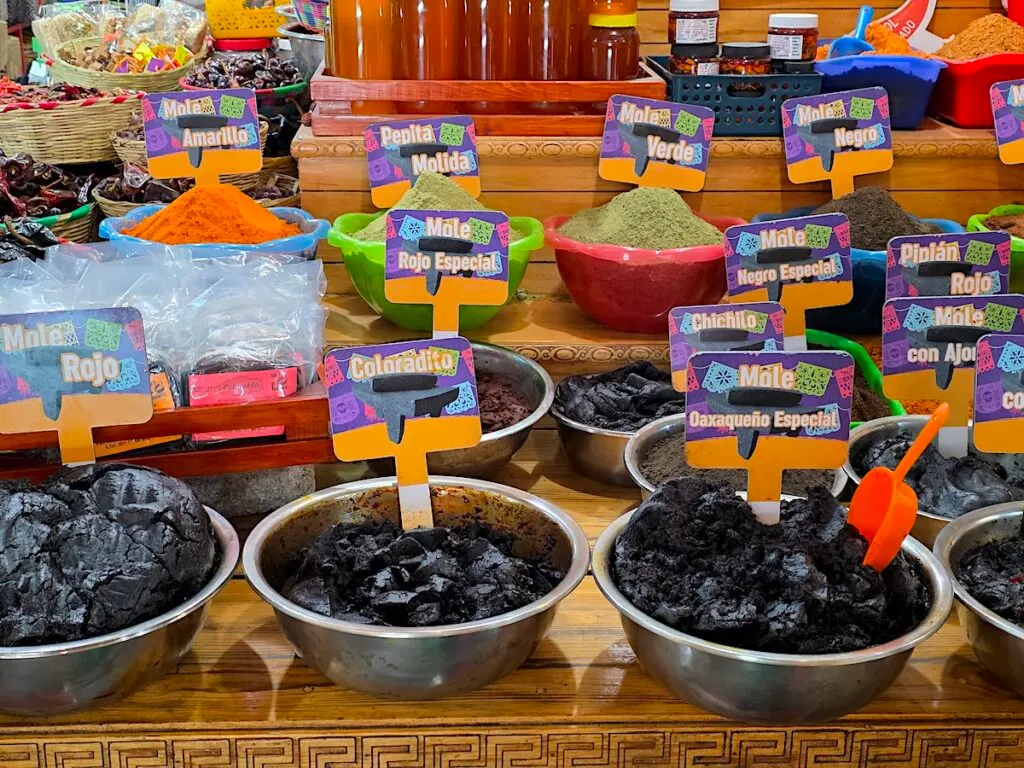
Mole is Oaxaca’s most iconic dish. If you’re not sure what mole is, it’s a rich, complex sauce that blends chiles, spices, herbs, seeds, nuts, and sometimes chocolate into a velvety masterpiece.
While mole can be found throughout Mexico, Oaxaca is known as the “land of seven moles.”
So, expect to find mole negro, rojo, coloradito, amarillo, verde, chichilo, and manchamantel while you’re here.
Each one has its own unique balance of flavors, from smoky and spicy to earthy and slightly sweet.
Therefore, you absolutely have to try mole in Oaxaca because it’s deeply tied to the region’s culture and traditions.
In fact, families pass recipes down through generations, and each mole takes hours — sometimes days — to prepare. It’s not just Mexican food; it’s part of festivals, celebrations, and daily life.
Some of the best spots to taste mole in Oaxaca City include Las Quince Letras, famous for its mole negro; Origen, where chef Rodolfo Castellanos adds a modern touch; and the 20 de Noviembre Market.
Here, you can sample different versions from local vendors and have a great, but inexpensive, meal.
Whether you stop by a fancy restaurant or head to a bustling market, tasting mole in Oaxaca is like tasting the soul of the city. It’s bold, layered, and truly unforgettable.
Expert Tip: You could also try some mole during an amazing cooking class.
3. Visit a Mezcal Distillery and do a Mezcal Tasting


A visit to a mezcal distillery in Oaxaca is more than just a tasting; it allows you to experience the region’s unique culture and traditions.
Sure, you can sip mezcal in any bar in Oaxaca City. However, the real magic happens when you leave the city and venture into surrounding villages that have been perfecting this craft for generations.
Towns like Santiago Matatlán, aka the “world capital of mezcal,” are dotted with family-run palenques (distilleries), where production is carried out the same way it has been for centuries.
Your tour usually begins with a visit to the fields, where rows of spiky agave plants stretch out across the rugged landscape.
You’ll watch as the massive piñas (agave hearts) are harvested, roasted in underground stone ovens, and then crushed by a traditional horse-drawn stone wheel called a tahona.
From there, the agave juice is fermented in wooden vats and distilled in small copper or clay stills, resulting in a smoky spirit that captures the soul of Oaxaca.
Of course, no tour is complete without a guided tasting, where you’ll learn to sip mezcal slowly, appreciating the nuanced differences between varieties.
4. Explore the Oaxaca Ethnobotanical Garden


Nestled right next to the stunning Templo de Santo Domingo, the Oaxaca Ethnobotanical Garden (Jardín Etnobotánico de Oaxaca) is a lush paradise filled with the region’s incredible plant diversity.
Unlike a typical botanical garden, this one focuses on native plants, illustrating their cultural, medicinal, and ecological significance.
From towering cacti to fragrant herbs, each section is thoughtfully designed to highlight Oaxaca’s rich natural heritage, making it a must-visit for nature lovers and curious travelers.
Visiting the garden is a little different since you can only explore it with a private guided tour, which costs 50 MXN.
The tours provide in-depth explanations about the plants, their uses in traditional medicine, and their role in local culture.
It’s important to note that the tours are conducted only in Spanish, so brushing up on your language skills or going with someone who can translate will definitely enhance the experience.
Despite these small limitations, the garden provides you with a serene escape from the chaos of the city.
5. Grab Some Food at Mercado Benito Juárez

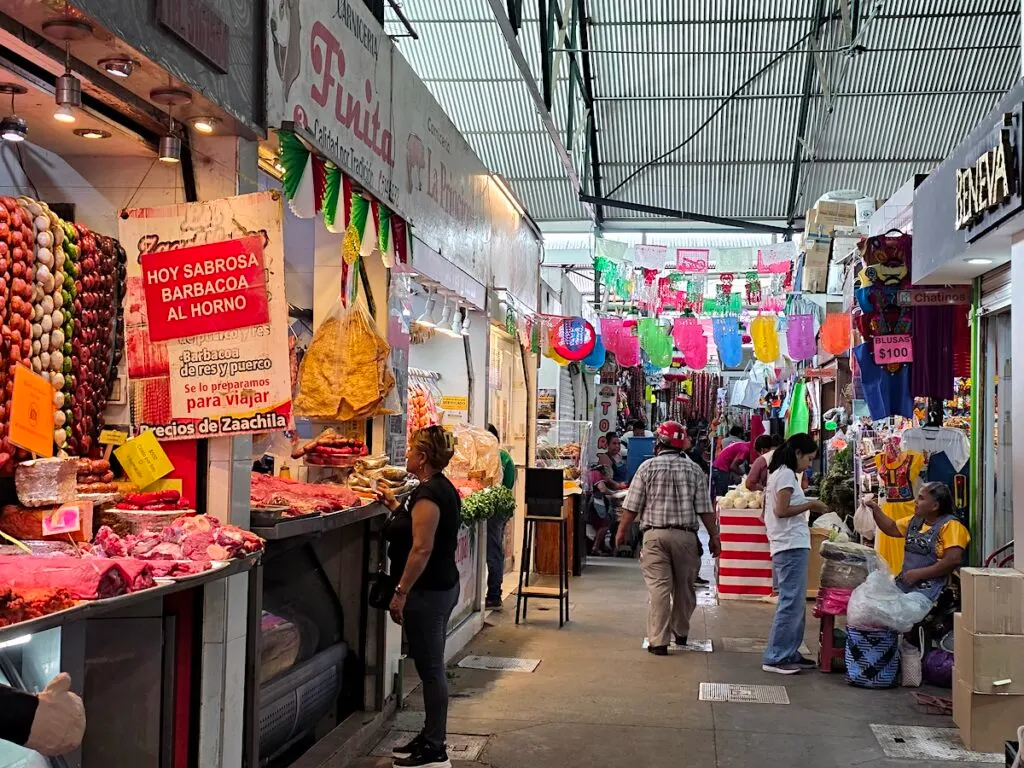
Mercado Benito Juárez is a feast for the senses since it is filled with vibrant colors, fragrant spices, and the lively chatter of locals.
It’s the perfect place to see Oaxacan culture in action and get a real taste for local life.
At the market, you can wander through aisles of fresh produce, handmade textiles, traditional pottery, and intricate wood carvings.
Food lovers will also be in heaven since you can sample tons of local specialties like tlayudas, tamales, fresh fruit juices, chocolate drinks, and mole.
It’s also a great spot to pick up artisanal Mexican souvenirs or watch vendors preparing foods using generations-old techniques.
6. Enjoy Centro Cultural San Pablo

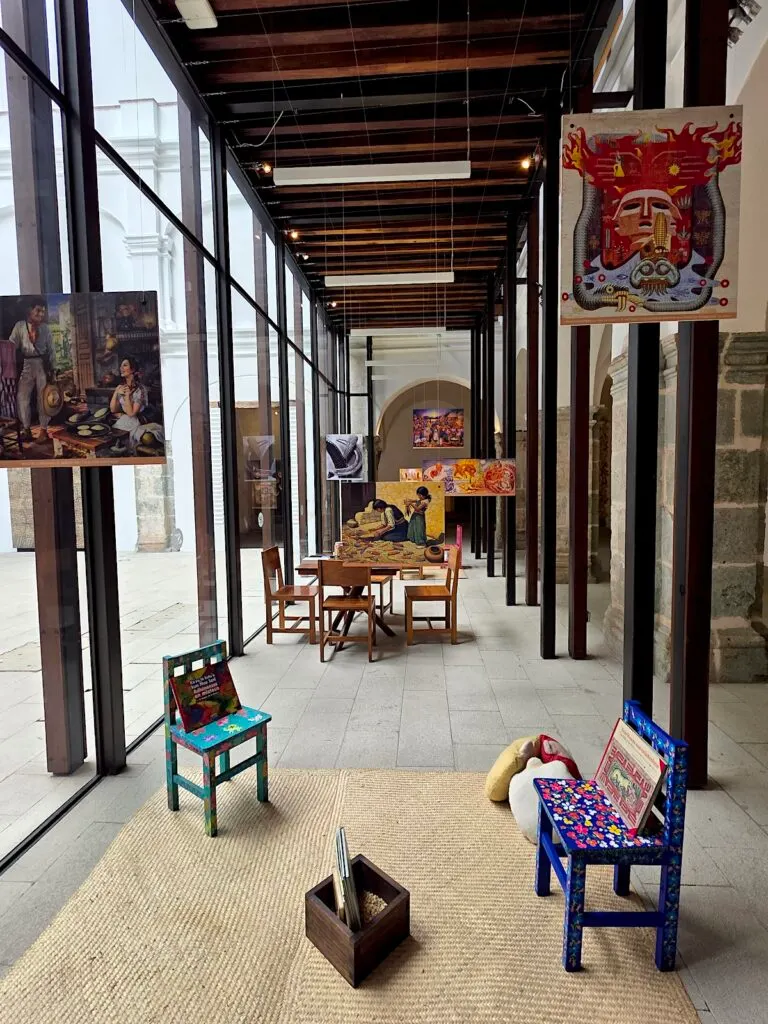
The Centro Cultural San Pablo is a hidden gem for anyone interested in art, culture, and history. But, the best part of all? It’s completely free to visit.
Housed in a beautifully restored colonial-style building, the center offers a peaceful escape from the city, making it a perfect place to immerse yourself in Oaxaca’s vibrant culture without spending a peso.
Inside, visitors can explore a variety of art installations, ranging from contemporary works by local artists to displays highlighting Oaxaca’s rich traditions.
The center also hosts cultural events, workshops, and performances, giving visitors a chance to experience music, dance, and theater in an intimate setting.
Walking through the galleries, you’ll see colorful paintings, intricate sculptures, and sometimes even installations that reflect the city’s history and indigenous heritage.
7. Visit the Tlacolula Market
Just a short drive from Oaxaca City is the Tlacolula Market. It is one of the oldest and most vibrant markets in the region and is held every Sunday.
Yup, it has been around since pre-Hispanic times and is one of the largest markets in all of North America.
As a result, this bustling open-air market is filled with the sights, smells, and sounds of traditional Oaxacan life.
From brightly colored textiles and hand-woven baskets to fresh produce and local crafts, it’s a place where culture, commerce, and community come together.
What makes Tlacolula Market truly special is its authenticity. Unlike more tourist-focused markets, this is a place where locals come to shop, socialize, and celebrate traditions.
So, you’ll see women in traditional dress selling handmade goods, farmers with freshly harvested fruits and vegetables, and street food vendors preparing local faves like tlayudas, memelas, and barbacoa.
The energy and vibrancy of the market give visitors an unparalleled glimpse into everyday Oaxacan life.
8. Enjoy Mercado 20 de Noviembre

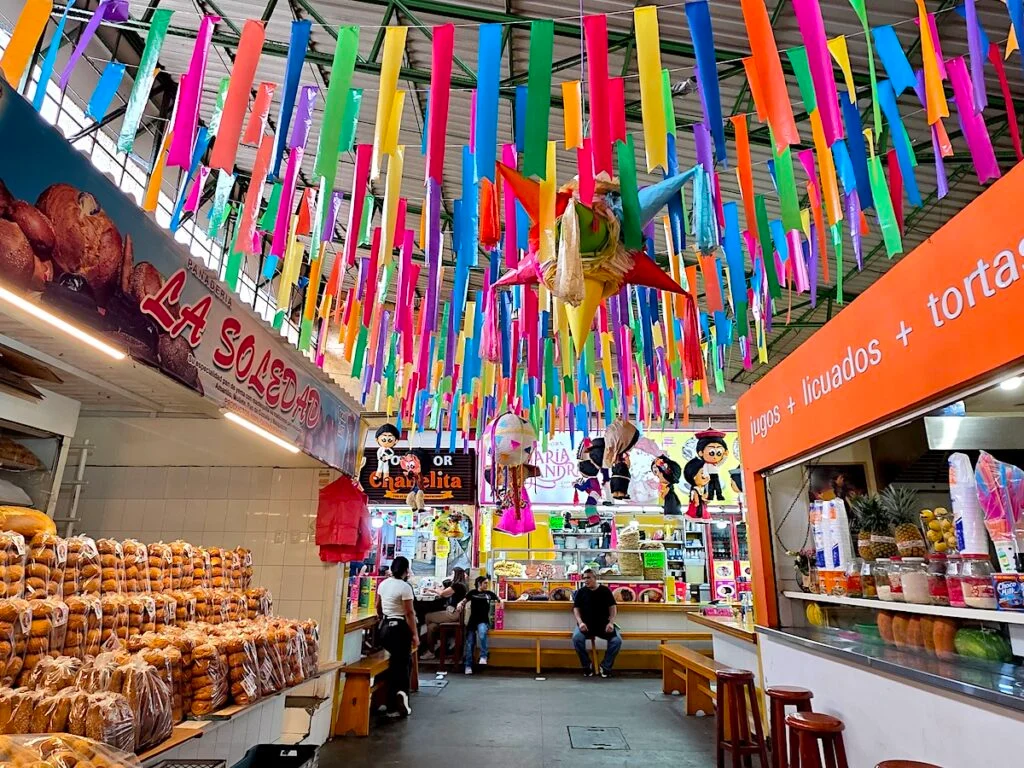
Mercado 20 de Noviembre is a bustling market that is best known for its famous Pasillo de Humo (Smoke Aisle), where vendors grill up meats like tasajo, cecina, and chorizo right in front of you.
They are also served with fresh tortillas, salsas, and grilled veggies, making for a delicious yet economical meal.
Beyond the smoky aisle, you’ll find fondas dishing out regional staples such as mole, tlayudas, tamales, and empanadas, plus stalls selling Oaxacan chocolate, stringy quesillo cheese, and rich mole paste.
Sweet breads and local treats add to the sensory feast. All in all, I love the authentic atmosphere here since you can see families eating together and cooks who have perfected recipes over generations.
Add in the lively chaos of smells, sounds, and colors that fill the air, and you have one of the best things to do in Oaxaca City.
The food here is also affordable and delicious, creating a one-of-a-kind experience you can’t replicate in any Oaxaca restaurant.
Arrive hungry, bring cash, and embrace the energy of one of Oaxaca’s most iconic food markets.
9. Explore Monte Alban


Just a short drive away from Oaxaca City is Monte Albán. It is one of Mexico’s most impressive archaeological sites and an absolute must-see when visiting Oaxaca City.
Once the capital of the Zapotec civilization, this ancient city sits high on a flattened mountaintop, offering sweeping views of the valleys below.
Wandering through the site feels like stepping back in time since you’ll see grand plazas, temples, pyramids, palaces, and even a ball court where ceremonial games once took place.
The carved stone monuments, known as the Danzantes, are especially fascinating. They depict figures believed to represent captives or early rituals.
The site also houses an observatory, highlighting the Zapotecs’ advanced understanding of astronomy.
What makes Monte Albán unforgettable is not just its scale but its atmosphere. I mean, you’re standing on the ruins of a city that thrived for over a thousand years.
The combination of breathtaking views and archaeological significance makes it one of the top things to do in Oaxaca City.
Expert Tip: You can easily take the bus here for 120 MXN round-trip. Also, don’t forget to visit the free museum that sits right near the entrance of the museum.
10. Check Out the Street Art


Oaxaca City isn’t just famous for its food. It’s also an open-air gallery filled with vibrant street art that decorates walls, alleys, and doorways throughout the city center.
The art here is bold, colorful, and deeply rooted in the city’s culture and politics. You’ll see murals and stencils that explore themes of indigenous identity, social justice, environmental struggles, and the legacy of Oaxaca’s revolutionary spirit.
Many works also celebrate local traditions and include Day of the Dead imagery, Zapotec symbols, and portraits of strong women.
The best part is that you don’t need a map. Just wander through the streets to discover new art around every turn.
That said, some of the best spots to see street art include the neighborhoods around Xochimilco and Jalatlaco, where cobblestone streets and colonial facades provide the perfect canvas for colorful murals.
In the city center, streets near Macedonio Alcalá, the Instituto de Artes Gráficas de Oaxaca (IAGO), and the Santo Domingo complex are packed with thought-provoking pieces.
Even the walls around the textile museum often showcase an array of changing works.
11. Visit the Tule Tree


Located in the small town of Santa María del Tule, this enormous Montezuma cypress is famous for having the widest trunk in the world.
In fact, the Tule Tree (El Árbol del Tule) tops out at a width of over 42 meters (138 feet).
Estimated to be more than 1,500 years old, the Tule Tree isn’t just massive, it’s ancient, sacred, and deeply rooted in Zapotec culture.
When you stand beneath its sprawling branches, it feels less like a tree and more like a living monument.
Visitors can stroll through the small, well-kept churchyard where the tree grows, admire its whimsical shapes (locals point out figures like animals and faces hidden in the bark), and enjoy the surrounding town.
Santa María del Tule also has tons of restaurants and craft shops, making it an easy half-day trip.
To visit, you can take a taxi, ride a bike, hop on a local bus, or join a guided tour that often combines a visit to the Tule tree with other stops throughout the Oaxaca valley.
12. Explore the Museum of Oaxaca Cultures

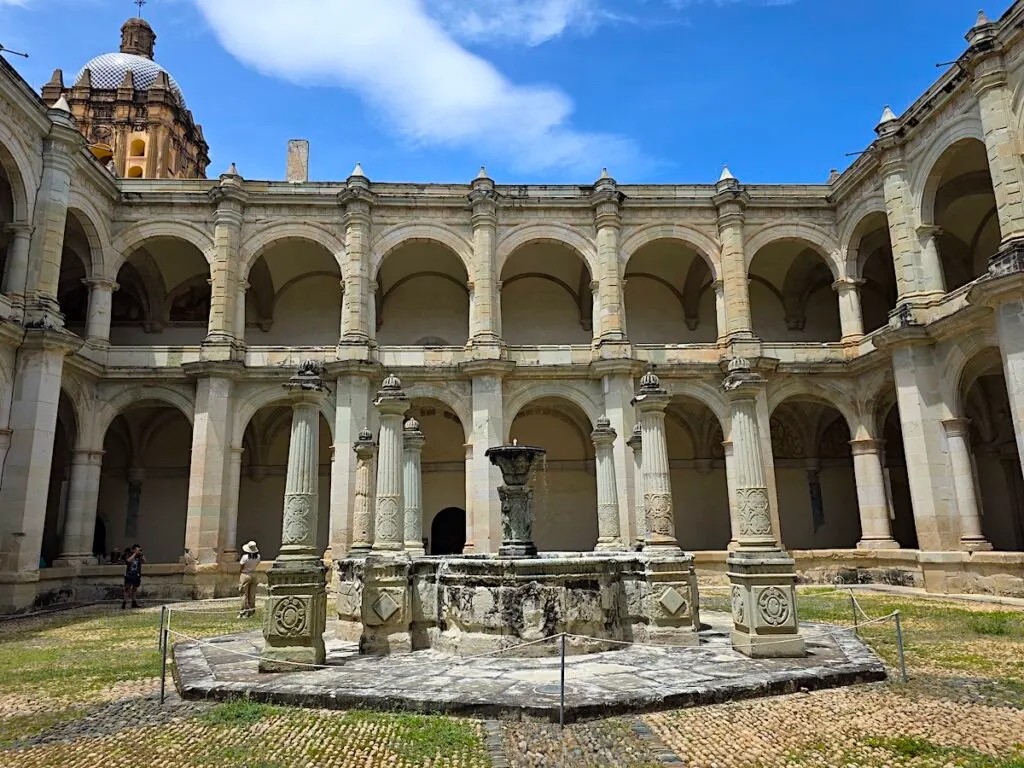
Hidden away inside the Santo Domingo de Guzmán convent, the Museum of Oaxacan Cultures (Museo de las Culturas de Oaxaca) is a must-visit for anyone who wants to dive into the region’s vibrant history.
Housed in a beautifully preserved colonial building with intricately carved stonework and serene courtyards, the museum itself is as impressive as the exhibits inside.
The museum showcases a wealth of artifacts from Oaxaca’s past, including pieces from pre-Hispanic times through the colonial period and modern period.
Highlights include Zapotec and Mixtec artifacts, such as jewelry, pottery, ceremonial items, and the famous Mixtec codices.
These Mixtec codices are ancient illustrated manuscripts that tell stories about rulers, gods, and daily life.
There are also sections dedicated to colonial art, textiles, and religious relics, providing a full spectrum of the region’s cultural evolution.
Temporary exhibitions often feature works from contemporary Oaxacan artists, connecting the past to present-day creativity.
There’s even a library on-site, too. Honestly, this museum totally blew me away. The exhibits are awesome, and you could easily spend between 2 and 3 hours here because this place is BIG.
I also loved that from the windows you can enjoy sweeping views of the Ethnobotanical garden below. Basically, if you only do one thing in Oaxaca, let this be it.
13. Check Out the Temple de Santo Domingo

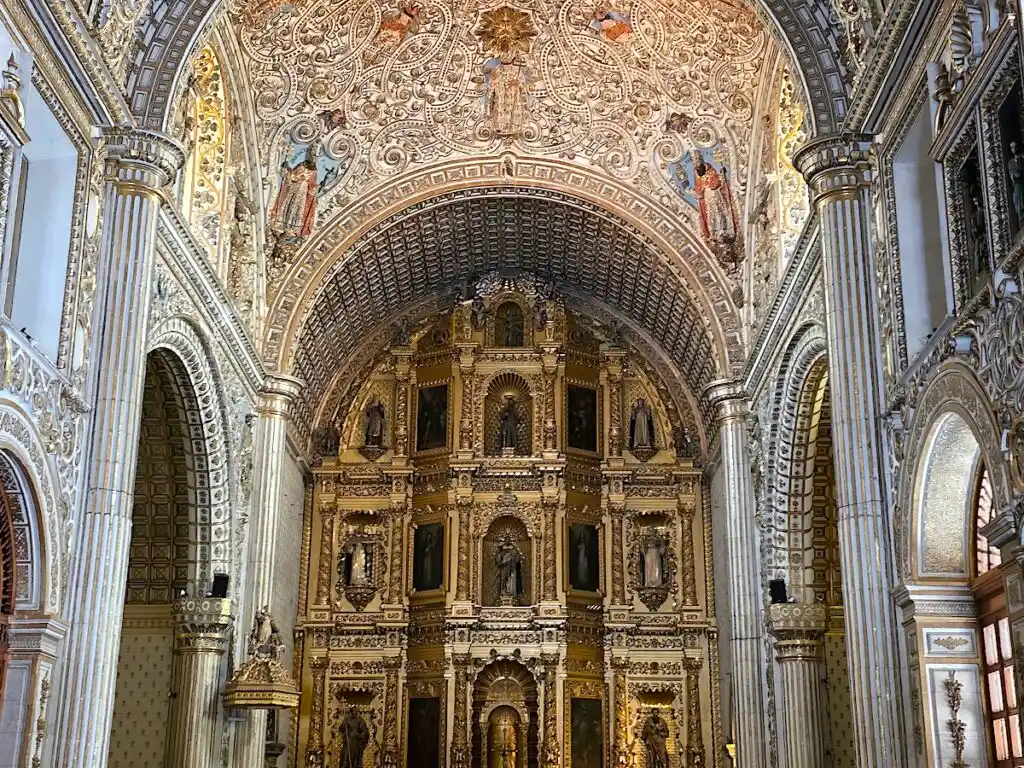
The Templo de Santo Domingo de Guzmán is easily one of Oaxaca City’s most stunning landmarks and an essential stop for any visitor.
Built in the 16th century, this baroque masterpiece captivates with its intricate façade, gilded interior, and detailed altarpieces.
Walking inside, you’ll be struck by the sheer opulence of the main altar, which is adorned with gold leaf, religious sculptures, and elaborate carvings that reflect the city’s colonial history.
What makes Santo Domingo truly special is the combination of history, art, and atmosphere.
It’s not just a religious site, it’s a cultural experience where architecture, sculpture, and local heritage come together.
14. See Le Soledad Church

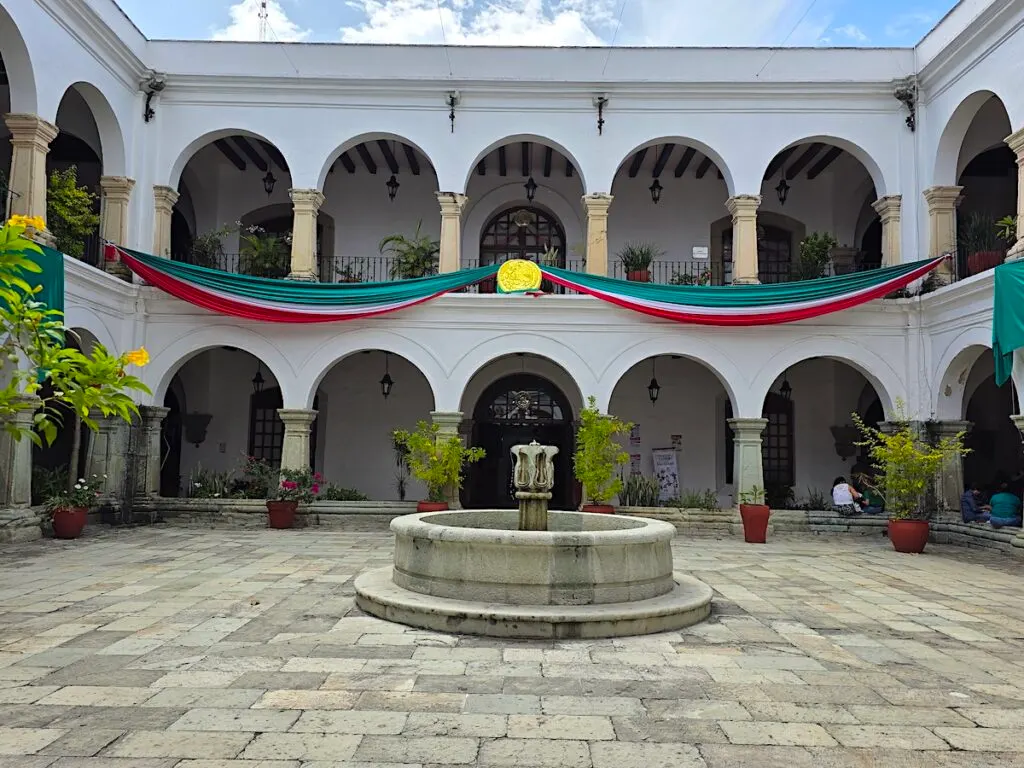

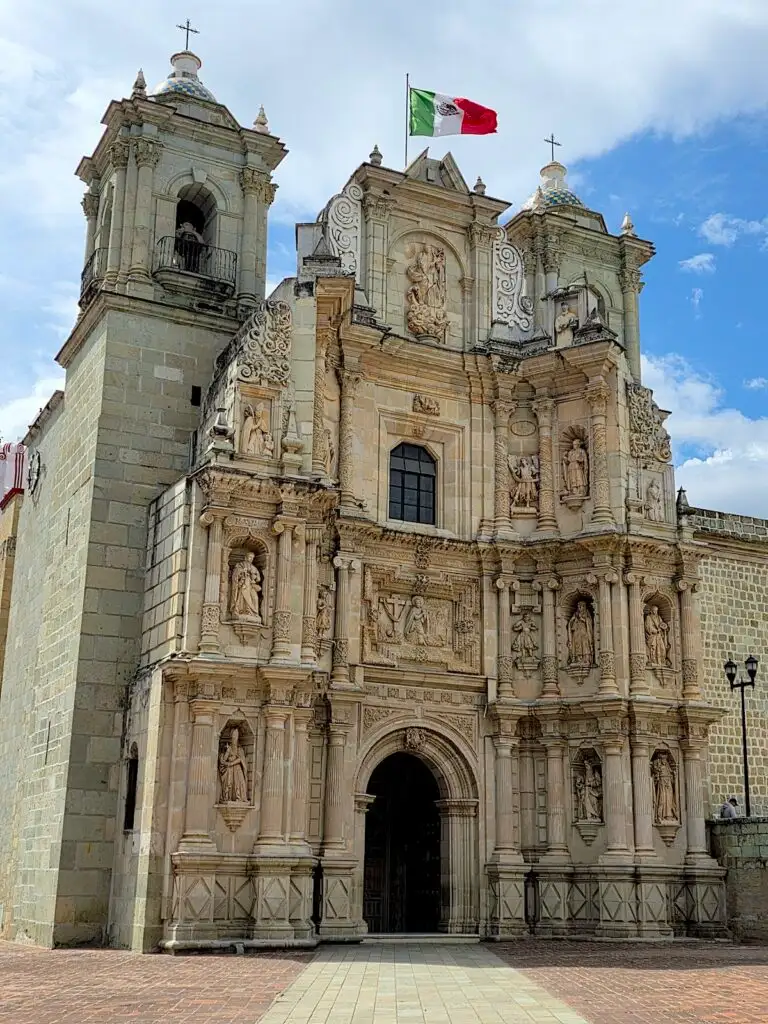
The Church of La Soledad (Templo de la Soledad) is one of Oaxaca City’s most striking and historically rich landmarks.
Built in the 17th century, this baroque church is renowned for its ornate façade, elaborate altarpieces, and finely detailed interior, which reflects the artistry and devotion of Oaxaca’s colonial era.
Unlike more crowded sites, La Soledad has a quieter, more intimate feel to it, allowing visitors to fully appreciate the craftsmanship, gilded decorations, and impressive murals.
Inside, the main altar dazzles with intricate woodwork and gold leaf, while smaller chapels and side altars showcase religious art from different periods.
The church is also connected to a historic convent, adding another layer of cultural significance.
15. Experience the Zocalo

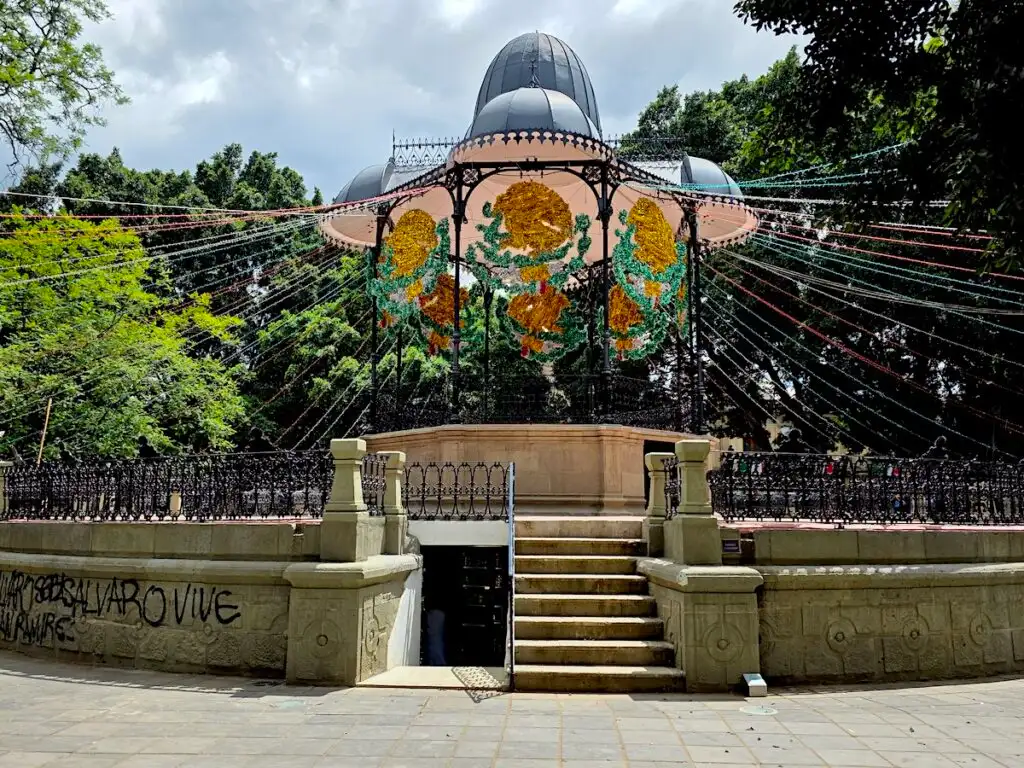
If you’ve spent any time in Oaxaca City, you know the Zócalo sits at the heart of the city.
Officially known as the Plaza de la Constitución, this expansive square is where locals and visitors gather to eat, relax, and soak up the vibrant atmosphere.
From the moment you step into this plaza, you’re enveloped in the sounds of street performers, the chatter of families, and the scents of freshly made tacos and churros from nearby street vendors.
One of the best things about the Zócalo is that it’s free and always buzzing with activity.
On any given day, you might also stumble upon live music, traditional dance performances, or artisanal markets.
During holidays and festivals, like Day of the Dead or Guelaguetza, the plaza comes alive with parades, colorful decorations, and community celebrations.
Even on a regular day, local bands and dancers often perform in the evenings, making it a perfect spot to people-watch and soak in the vibe of the city.
Expert Tip: Stop by on Wednesday evenings at 6:00 pm to see couples dance to traditional Cuban music. It’s fun and free and one of my fave things to do in the city.
16. Enjoy the Museo de Filatelia de Oaxaca (MUFI)

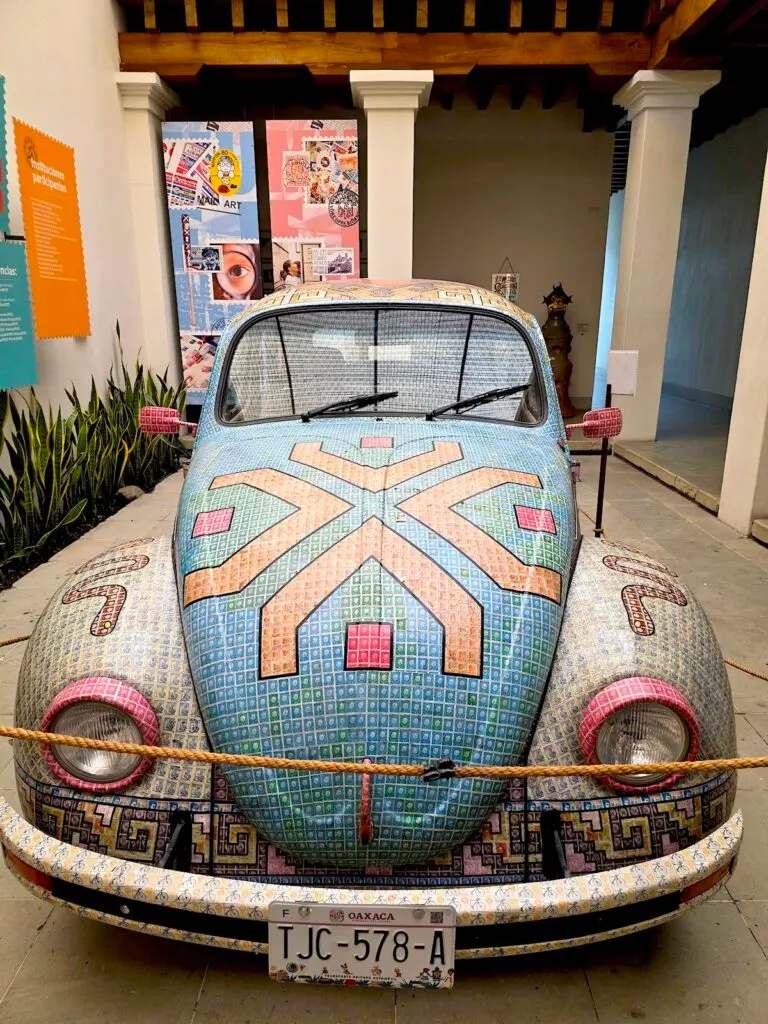


The Museo de Filatelia de Oaxaca (MUFI) is a hidden gem that is completely free to visit.
At first glance, MUFI might seem like just a stamp museum. But step inside and you’ll quickly realize that it’s much more than that.
It’s a carefully curated space that tells fascinating stories about Oaxaca, Mexico, and the wider world through postal history and personal correspondence.
Inside, you’ll find stamps from different eras and countries, vintage postal artifacts, and exhibits that showcase the evolution of mail delivery.
One of the museum’s standout features is a collection of personal letters, including correspondence between Frida Kahlo and her doctor, which offer a glimpse into the life of one of Mexico’s most iconic artists.
There are also letters, postcards, and other historical documents on display that reflect everyday life, political events, and cultural exchanges.
MUFI may be small, but it is thoughtfully arranged, allowing visitors to explore at a relaxed pace. It’s also a great place to hang out since they have a beautiful outdoor courtyard with cozy tables and chairs.
17. Check Out the Centro Fotográfico Álvarez

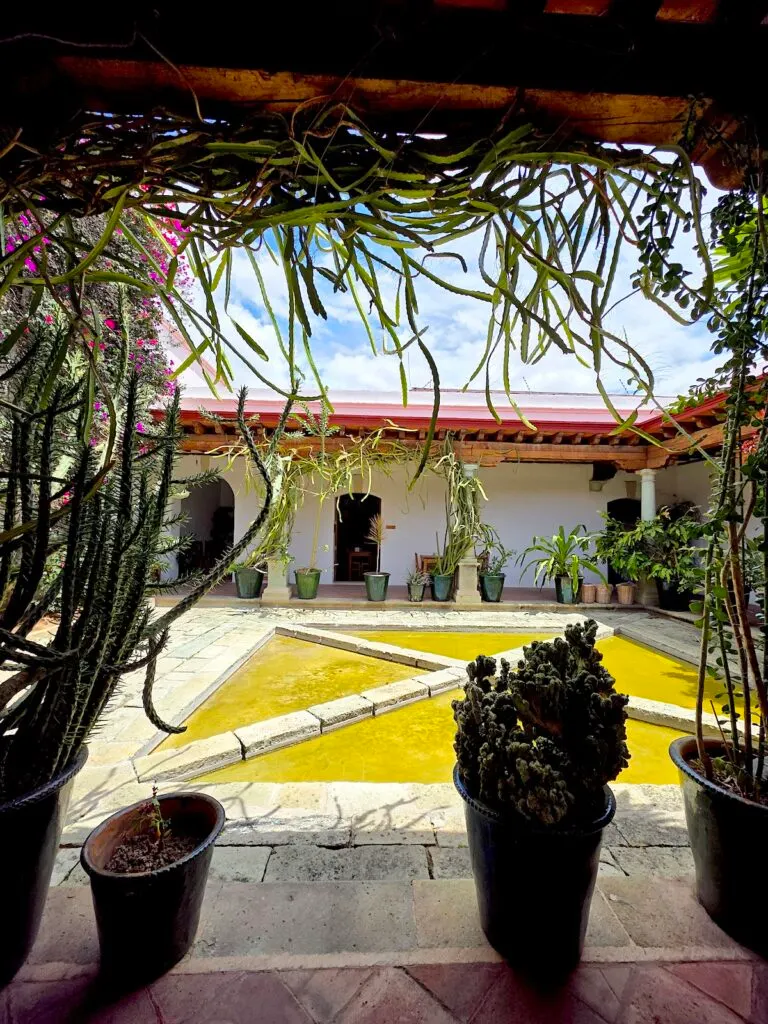


The Centro Fotográfico Álvarez is a small but remarkable space that any art lover should visit.
This intimate museum is completely free and is thoughtfully curated, showcasing stunning photographic works that highlight both contemporary and classic Mexican photography.
There is also a special focus on Oaxaca’s vibrant culture, landscapes, and people.
Walking through the exhibition, you’ll find photographs that capture everything from the everyday life of Oaxacans to the region’s festivals, traditions, and breathtaking natural scenery.
Both the black-and-white and color images are striking, demonstrating the power of photography to tell stories and preserve moments in time.
Because the space is small, each piece feels personal and allows visitors to slow down, observe, and truly appreciate the artistry and technical skill behind each photograph.
18. Explore the Museo Textil de Oaxaca

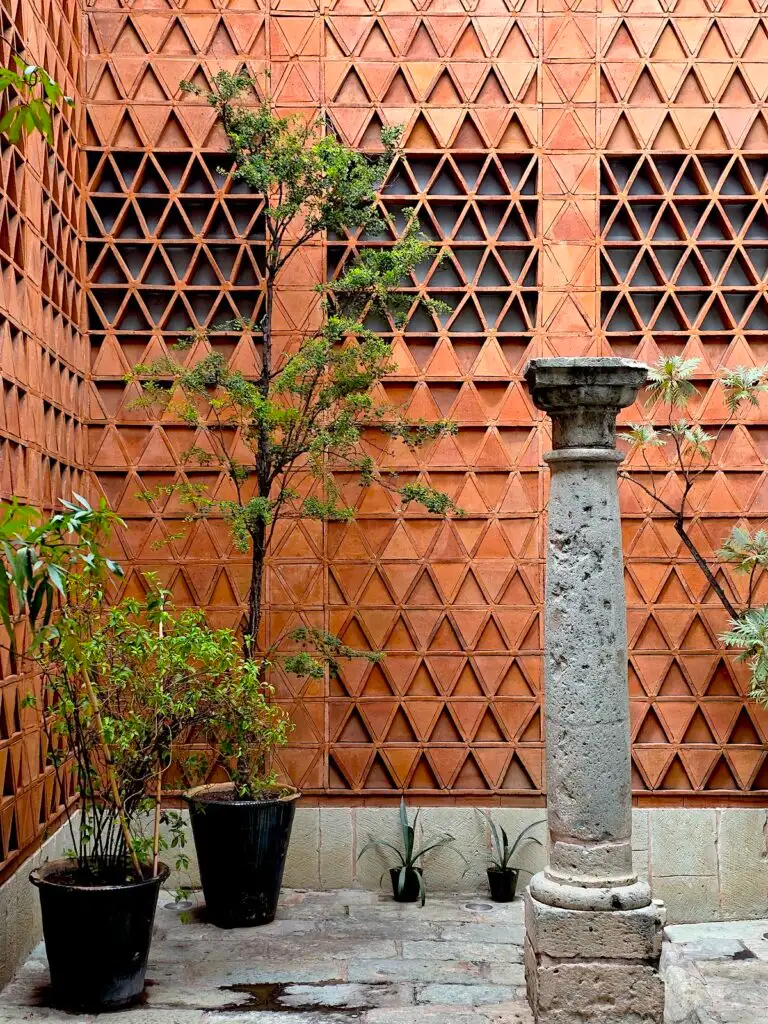

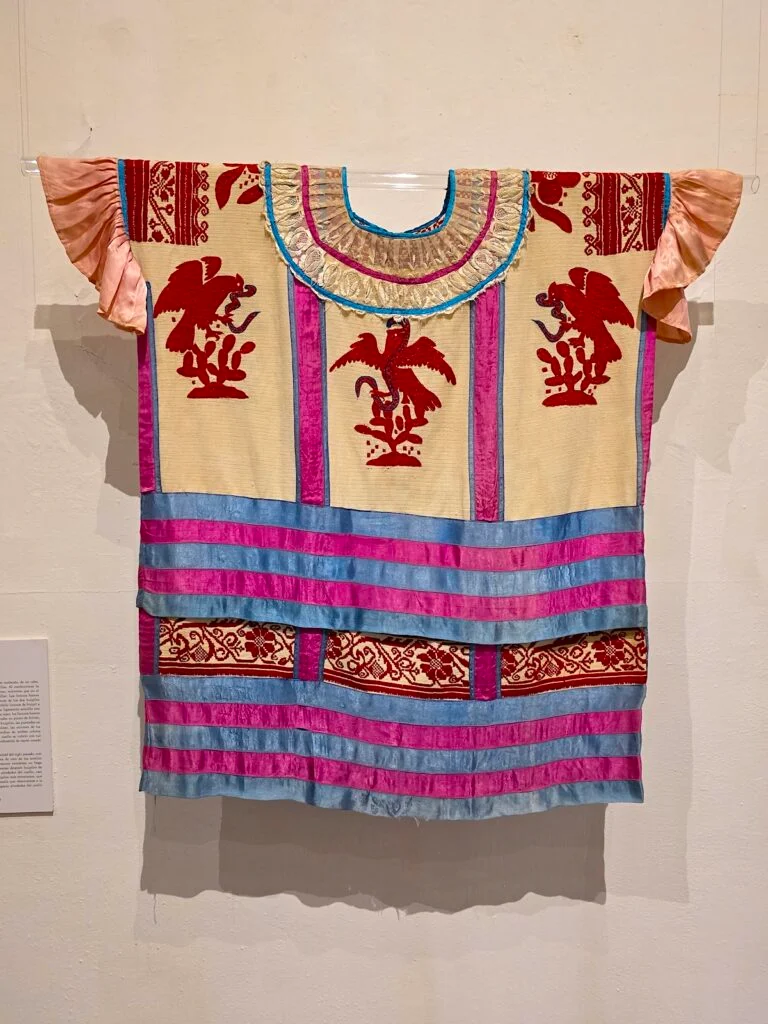
The Museo Textil de Oaxaca (MTO) is an inspiring destination that showcases the rich textile traditions of Oaxaca.
Inside, you’ll find a stunning collection of traditional garments, embroidery, and weaving from communities across the state, some dating back centuries.
Each piece tells a story through the techniques, symbolism, and cultural significance embedded in every stitch.
Beyond the historical textiles, the museum also highlights contemporary works by modern designers who draw inspiration from Oaxaca’s traditions, blending old and new in exciting ways.
Exhibits often include ceremonial clothing, intricate rugs, colorful blouses, and woven accessories, allowing visitors to see the incredible variety and artistry of Oaxacan textiles.
The museum also features demonstrations, workshops, and even has a small store where you can support local artisans by purchasing authentic pieces.
Oh, and this museum is also totally free to visit. So, definitely a great place to go if you are on a budget.
19. Enter Cathedral de Nuestra Señora de la Asunción

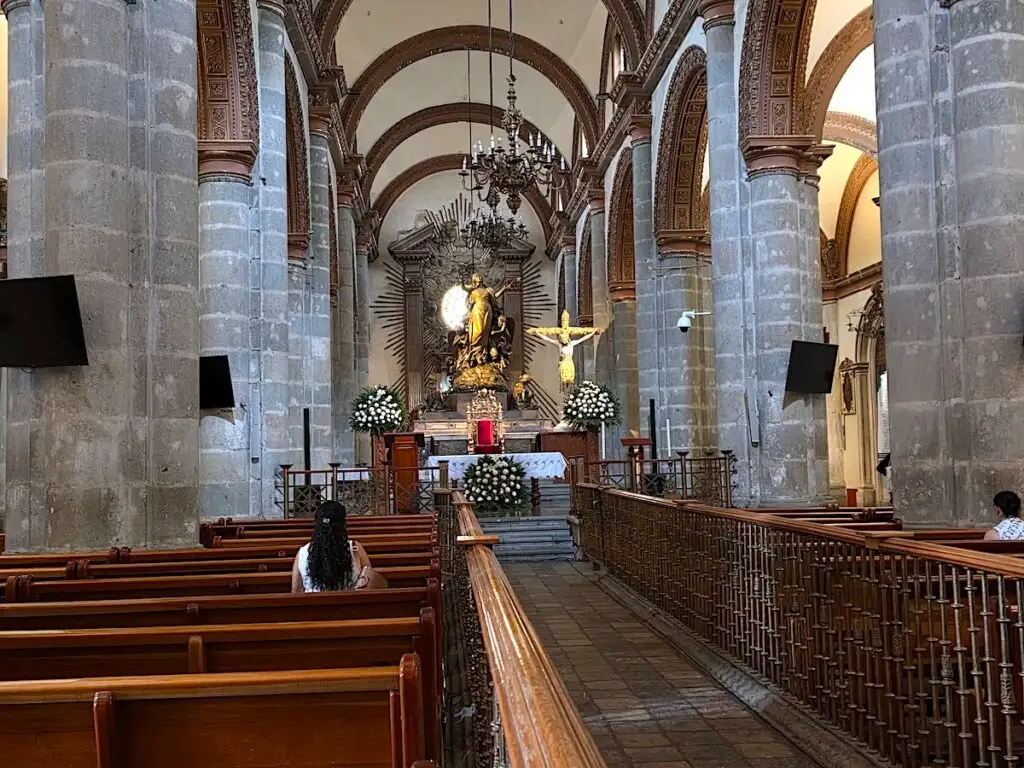
The Catedral de Nuestra Señora de la Asunción was built in the 16th century on the foundations of a former Zapotec temple.
The cathedral stands as a stunning example of colonial architecture, with a striking neoclassical façade and twin bell towers that dominate the surrounding plaza.
Stepping inside, you’re greeted by a serene and majestic interior, featuring high vaulted ceilings, ornate altars, and gilded altarpieces that reflect centuries of religious devotion and artistic craftsmanship.
What makes the cathedral truly special is not just its beauty, but its place at the heart of Oaxacan life.
In fact, the plaza out front is always lively, filled with locals and visitors enjoying the city’s vibrant energy, making it a perfect spot to experience Oaxaca’s culture.
Overall, the building’s combination of grandeur, artistry, and central location makes it a must-see landmark that leaves a lasting impression on every visitor.
20. Walk Along the Andador Macedonio Alcala

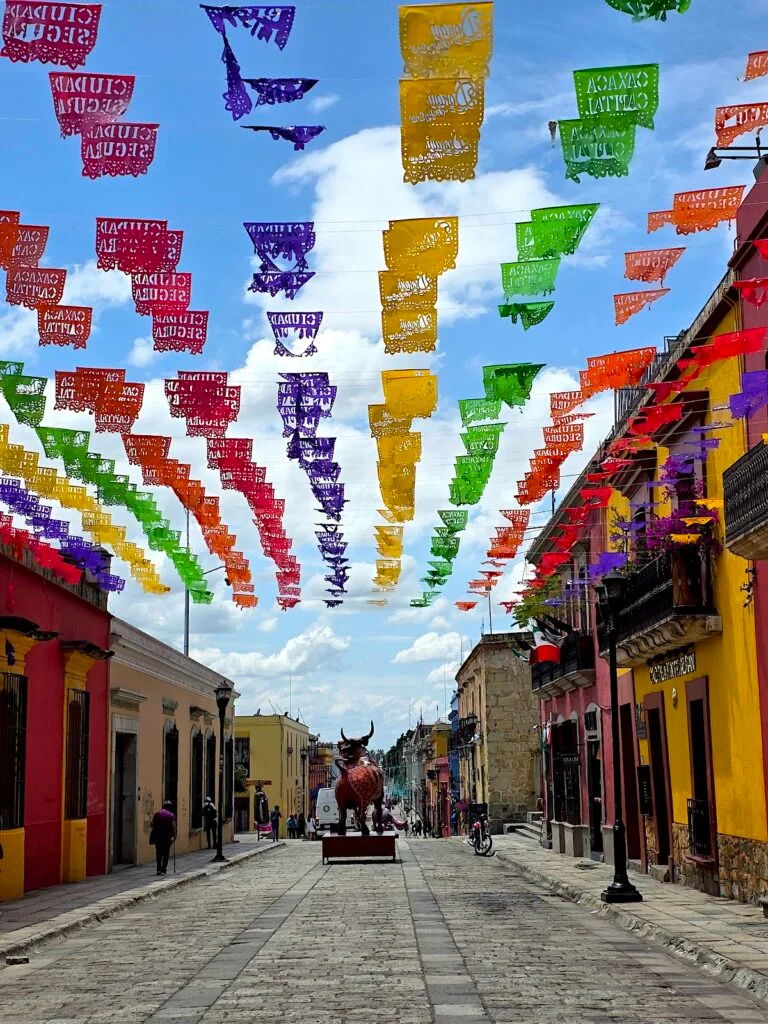


The Andador Macedonio Alcalá is a vibrant pedestrian street lined with colorful colonial buildings, lively cafés, restaurants, and boutique shops. It’s the perfect place to soak up the city’s culture and energy.
Strolling along the Andador, you’ll encounter street performers, local artisans, and musicians, creating a lively, festive atmosphere day and night.
The Andador also connects you with several key landmarks, including the Zócalo, Templo de Santo Domingo, and numerous museums, making it an ideal starting point when visiting the city.
In the evenings, the street comes alive with locals and visitors enjoying food, drinks, and people-watching, while occasional cultural events and performances add extra charm.
21. Grab Breakfast at Boulenc


If you’re in Oaxaca City and love fresh, inventive cuisine, Boulenc is an absolute must-visit.
This cozy, modern bakery and restaurant has earned a devoted following because of its artisanal breads, seasonal dishes, and creative twists on classic flavors.
At Boulenc, everything is made with care and high-quality local ingredients, from their crusty sourdough bread to vibrant salads and comforting, flavorful main courses.
Start your visit with one of their freshly baked breads or a croissant, which pairs perfectly with their rich coffee or a refreshing juice.
For a heartier meal, the tartines, quiches, or daily specials showcase the chef’s talent for blending local ingredients with contemporary techniques.
The last time I was here, I ordered the Shakshuka and absolutely loved it. The flavors were on point, and the bread was nice and crusty. I also loved the soft cheese that came with my dish.
I will 100% be happy to return any time that I am in Oaxaca City. Oh, and I found the prices to be very reasonable given the high quality of the food.
22. Visit Mitla


Mitla is one of the most fascinating day trips you can take in the region, offering a glimpse into the rich history and culture of the Zapotec civilization.
Unlike Monte Albán, which is perched on a mountaintop, Mitla sits in a lush valley, surrounded by agave fields and traditional villages.
Mitla is best known for its intricate mosaic fretwork or geometric patterns carved into stone that are unlike anything else in Mesoamerica.
The site served as a religious and administrative center, and walking through its ceremonial halls, temples, and tombs gives you a deep appreciation for Zapotec craftsmanship and architectural skill.
Each structure tells a story, from ancestral traditions to ritual practices, making it an educational and awe-inspiring experience.
Visiting Mitla is also a chance to engage with local culture since nearby markets sell traditional textiles, handmade crafts, and mezcal, allowing you to support the community and take home a unique souvenir.
For anyone wanting to go beyond the city and connect with the region’s ancient past, it’s absolutely unmissable.
23. Enjoy the Teotitlan del Valle


Teotitlán del Valle is one of those unique places that offers you a deep dive into Oaxacan artisan culture.
After all, this charming village is renowned for its traditional Zapotec weaving, where families have passed down textile techniques for generations.
Walking through the streets, you’ll see vibrant rugs, blankets, and tapestries adorned with intricate patterns and natural dyes made from plants, insects, and minerals found in the surrounding valley.
A visit here isn’t just about shopping. It’s about witnessing artisans at work.
In fact, many workshops welcome visitors to watch the entire weaving process, from spinning wool to dyeing threads and creating intricate designs on traditional looms.
It’s a fascinating way to understand the skill, creativity, and cultural significance behind each piece.
Beyond textiles, the village itself is picturesque, with a central plaza, historic church, and the surrounding rolling hills and agave fields.
You can also enjoy tasting local food or sampling fresh artisan mezcal produced nearby.
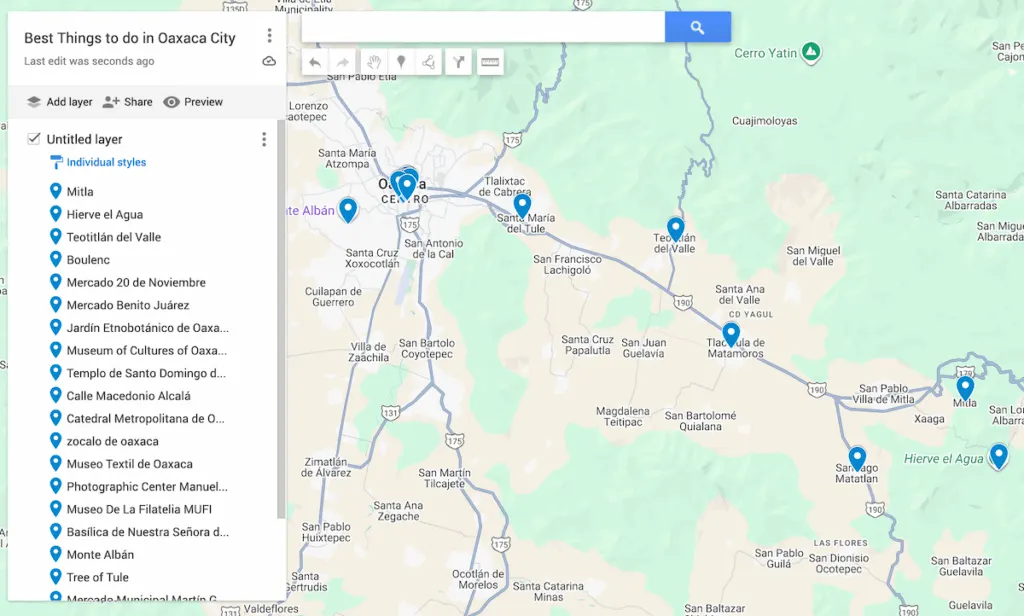
Map of the Best Things to Do in Oaxaca

Conclusion
After wandering through Oaxaca City’s colorful streets, tasting my way through mercados, and marveling at ancient ruins and colonial architecture, I can honestly say this city has a way of bewitching you.
From the smoky aisles of Mercado 20 de Noviembre to the serene beauty of Santo Domingo, every corner offers a story.
Whether you’re sipping mezcal in a sunlit plaza, wandering the art-filled alleys of Jalatlaco, or getting lost at Monte Albán, you’ll leave feeling connected to the people, the culture, and the history.
There’s a rhythm here that you won’t find elsewhere since this city is vibrant, welcoming, and endlessly fascinating.
So grab your sneakers, bring an appetite for adventure (and for food), and let yourself fall in love with Oaxaca just like I did.




Arko
Saturday 27th of September 2025
Hello, do you have any suggestions for how to hire a taxi for the entire day within an affordable price? We are looking to do two or three spots in a day without the constraints of a guided or group tour and have more freedom on where to spend more time.
Girl with the Passport
Wednesday 1st of October 2025
I woulkd definitely ask your hotel when you arrive. I personally didn't find a taxi service necessary while I was there since I did a group tour to Hierve el Agua.