
Every traveler has at least one story they tell with a mix of embarrassment and pride.
Mine just happens to involve a scooter, a missing road sign, and a very confused family of chickens crossing the highway somewhere outside Chiang Mai.
That’s the moment I realized something important: You don’t really understand Thailand until you’ve driven here.
And when you do, you learn quickly that this stunning country rewards confident drivers but punishes careless ones.
Instead of having you repeat my mistakes, here’s everything I wish someone had told me before I set out, the lessons that have shaped the way I now think about road trip planning in Thailand.
Trust me, these tips will help you stay safe while having the time of your life.
Start With One Simple Question: Should You Even Drive?

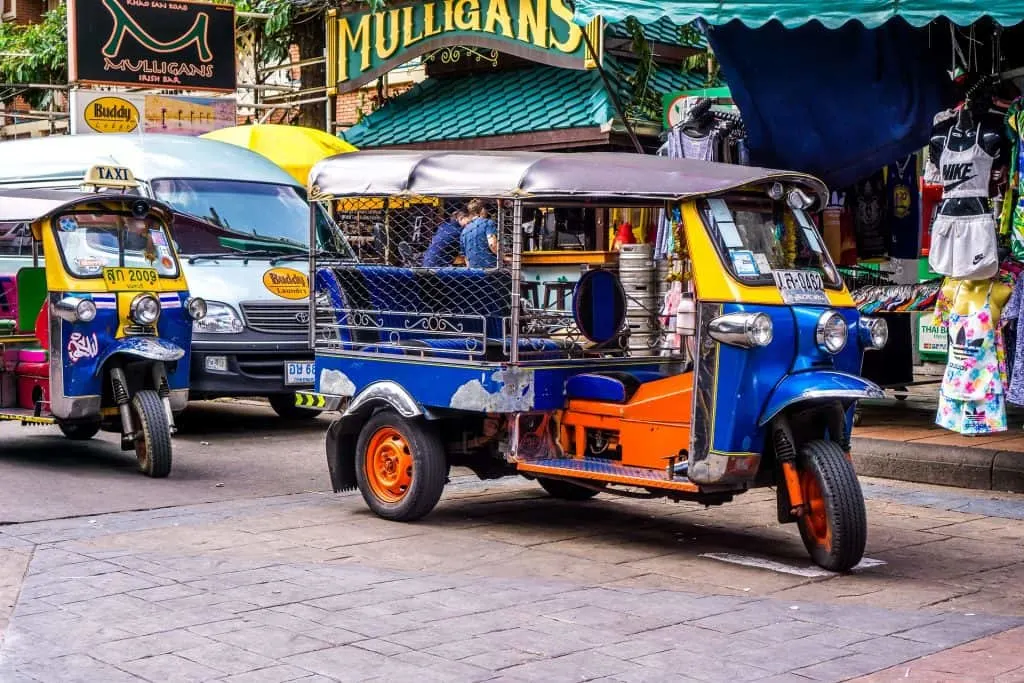
Before you jump on a scooter or get behind the wheel of a rental car, it helps to be honest with yourself.
Thailand is beautiful, exciting, and full of routes that feel made for adventure. But the traffic culture here differs from what most travellers are used to.
The cars change lanes without even blinking, the scooters pop out of nowhere, trucks sometimes drive slowly in the fast lanes, and when it rains, the roads get slippery in no time.
Of course, all of that does not mean you shouldn’t drive; it only means you need to understand the challenge of driving here before committing.
If you’re a nervous driver at home, Thailand might not be the best place to start. But if you’re reasonably confident and you stay focused, you’ll be fine.
Learn the Local Rhythm, or You Will Feel Lost

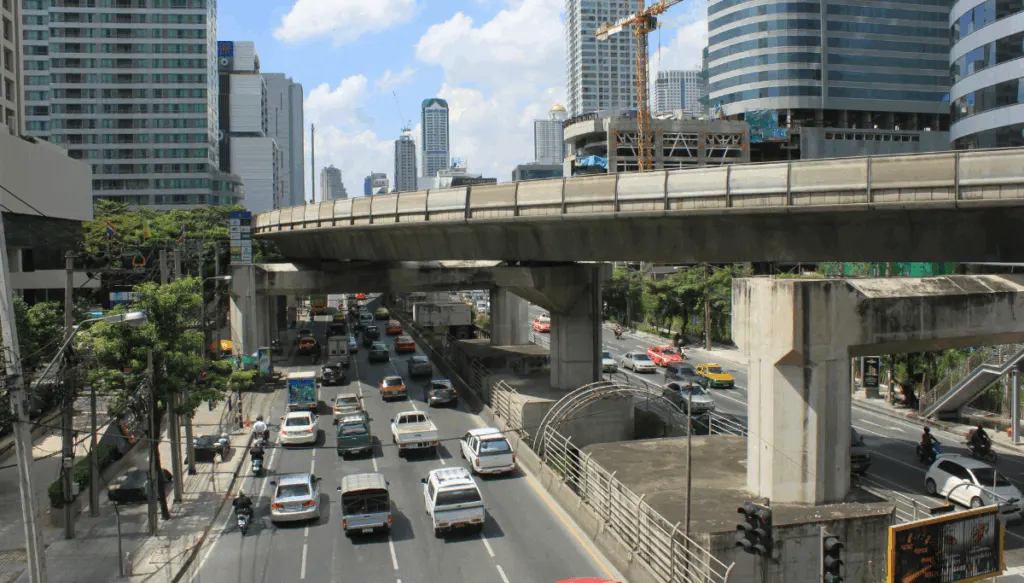
Thailand has its own rhythm when it comes to driving. Locals know each other, even when the signals seem ambiguous to outsiders.
Overtaking is common. People brake suddenly. Some scooters take three people. Sometimes four. You get used to it. What helped me most was watching the flow before joining it.
Spend your first day observing from the passenger seat or the sidewalk. Notice how drivers use small hand gestures or subtle movements to communicate.
The minute you pick up on that rhythm, driving becomes a lot easier and a lot safer.
The Weather Changes Everything


Thailand’s sunshine tricks many travelers into thinking the weather is predictable. It isn’t.
Rain materializes with little warning, particularly in the islands and in the north. When it does, the nature of the roads changes in an instant.
A few things I learned the hard way:
- Paint stripes are slippery in the rain.
- Local roads can get covered in mud from adjacent fields.
- Visibility drops very quickly at dusk.
So, always check the forecast before you go out, even if it’s just for a short ride. If heavy rain is forecasted, postpone your trip. Trust me, it’s better to wait an hour than slide into a ditch.
Scooters Are Fun Until They’re Not

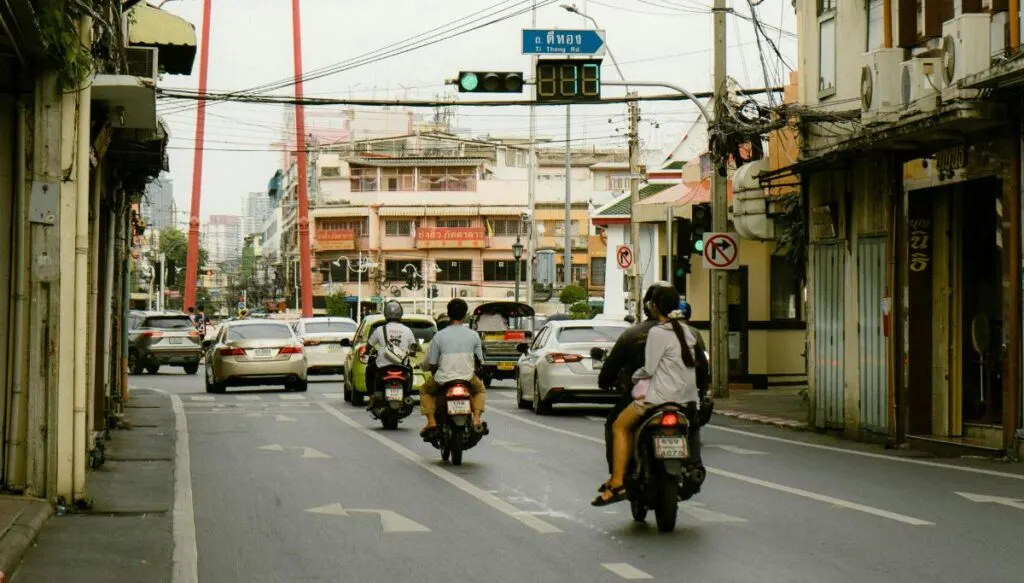
Travelers love scooters because they’re cheap, easy to rent, and perfect for exploring islands like Phuket, Koh Samui, and Koh Phangan. But scooters also come with risks.
My first mistake was assuming that automatic meant safe. It doesn’t. Scooters require balance, fast reflexes, and confidence.
If you’ve never ridden a scooter before, try a short test ride in a quiet area. If you feel the slightest bit shaky, even for a second, don’t force it. Switch to a car or hire a driver.
And of course, wear a helmet. A real one. Not the flimsy plastic bowl some places hand out. It’s always better to be safe than sorry.
Expect Surprises On the Road
Driving in Thailand is a little like watching a magic trick. Look away for one second and voilà, the whole situation has changed.
You might see:
- A dog sleeping in the middle of the road
- A sudden U-turn by a pickup truck
- Potholes unexpectedly appear after a storm
- A scooter transporting what appears to be an entire market stall
It sounds funny, and sometimes it is, but it also means you must stay alert. Avoid speeding, especially at night. Most accidents happen because travelers assume the road will stay predictable. It won’t.
Rural Roads Are Pretty but Unforgiving

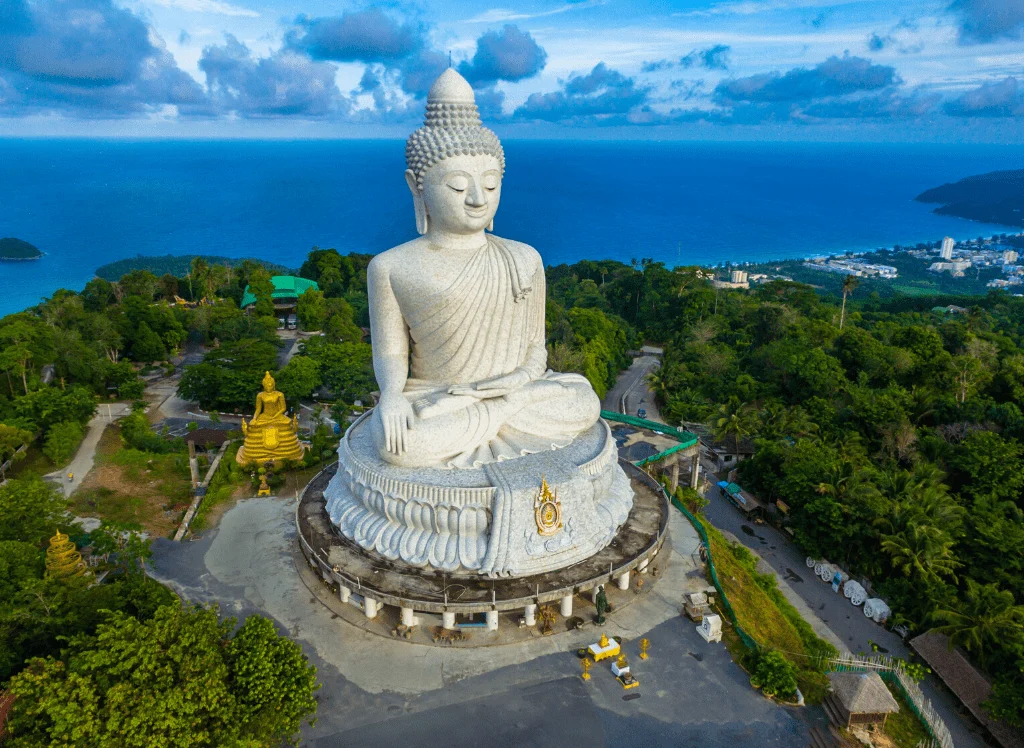
Some of the most scenic drives in Thailand take you away from the cities and deep into nature.
The view along northern routes, such as Mae Hong Son, is breathtaking. But rural roads often have sharp curves, steep hills, and unexpected roadblocks.
In some places, there are hardly any streetlights, GPS often loses signal, and sometimes elephants cross the road in national park areas.
If this happens, keep your distance and let them move according to their pace. They are in their home, and you need to respect that.
The Police Are Not the Enemy

Another fear that tourists have is dealing with police checkpoints. The truth is, they’re usually simple and friendly.
Typically, police are just checking licences, helmets, and basic compliance. If you treat them respectfully, everything will go smoothly.
Carry your international driving permit, a copy of your passport, and your rental paperwork. This saves time and will help you avoid stress.
Know When to Call It a Day
Thailand is full of things that tempt you to keep going. One more sunset viewpoint, one more night market, one more waterfall.
But tired driving is dangerous anywhere, and especially dangerous here. If you’re drowsy, pull over and rest. Get a drink, stretch your legs, or stop for a snack. Roads can be unpredictable:
You must be fully attentive to drive safely. It is always better to arrive late than never to arrive at all.
Final Thoughts: Driving in Thailand Is an Adventure Worth Taking
Once you get past the nerves and learn the local flow, driving in Thailand becomes something special.
It gives you the freedom to explore early morning beaches, hidden temples, quiet mountain lookouts, and small towns you’d never reach otherwise.
Mistakes will happen, of course. This is true for everyone. Just let those moments teach you and laugh at them later; a good trip is one where you come home safe with great stories to tell.
They may surprise you, but Thailand’s roads will reward you every time if you drive smart.