
When you think of a Yucatan road trip, you probably imagine turquoise cenotes, ancient Mayan ruins, sleepy colonial towns, and spontaneous roadside tacos that somehow become your favorite meal EVER.
Well, that’s exactly what you’ll find when you start your very own adventure across Mexico’s stunning Yucatán Peninsula, as you try to figure out where to go, what to see, and how to make the most of your time.
Whether you’re searching for beach days in Tulum, culture in Mérida, or hidden gems like Valladolid and Izamal, I’ve got you covered with a real-world take on how to piece it all together.
When I planned my first Yucatán road trip, I was overwhelmed by blogs that listed 50+ things to do with no clear itinerary.
Or worse, the articles only scratched the surface and ƒ focused on the same tourist-packed hotspots.
If you’re feeling that same stress, I got it. You want more than a list, you want an experience that flows, where the long drives are scenic (not stressful), the towns are charming (not crowded), and your days strike that balance between adventurous and chill.
After multiple visits to the Yucatán, I’ve figured out what actually works. So, you’ll get smart tips, well-planned routes, and a few off-the-grid detours you won’t find on TripAdvisor.
Ready to ride? Let’s hit the road with this EPIC Yucatan Peninsula road trip.
It’s also worth noting that you will need at least two weeks for this road trip. Anything less will feel rushed, and you may want to cut some stops out if you’re short on time.
I would also 100% try to time your trip for any time between December and April. This is the dry season, so the weather is better and the humidity is lower.
I have been to the Yucatan in the summer, and not gonna lie, the heat is brutal. I was sweating balls the entire time and it felt way hotter than Southeast Asia.
This post may contain affiliate links. Please see my disclosure for more information. As an Amazon Associate, I earn a small commission from qualifying purchases.
Day 1: Cancun
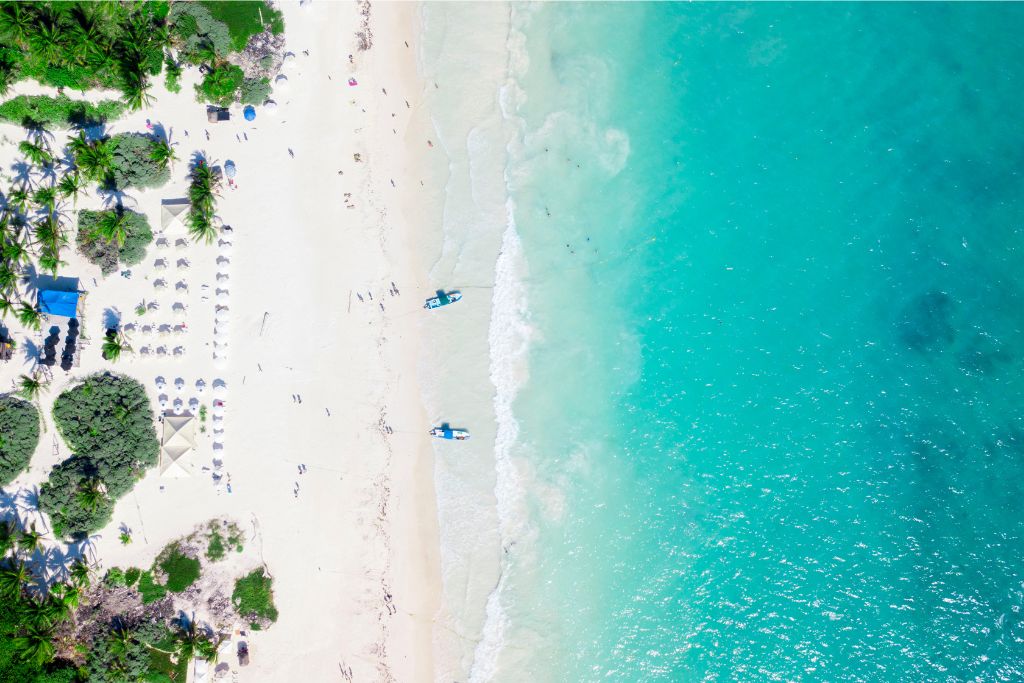

I am gonna be real with you. I HATE Cancun. It’s PACKED with tourists and feels totally devoid of actual cultural experiences.
However, if you’re flying into Mexico from abroad, then this is a great airport to use because it’s big and prices tend to be cheap, hence the reason why this road trip starts here.
Personally, when I fly in from the States, I usually use Tulum airport since the airport is smaller (read: easy to get in and out of), I like Tulum better, and flights cost about the same as ones to Cancun.
So, this is another option if you’re like me and just want to bypass Cancun altogether.
But, if you choose to fly into Cancun, take the day to relax, settle into your hotel, and explore some of the area.
If you’re not staying long in Cancún but still want something comfy and well-located, aim for accommodation in the downtown area (Centro) or near the hotel zone.
This puts you close to restaurants and local life, without diving too deep into the all-inclusive bubble. A few awesome places to stay are:
- Casa Blanca Boutique & Organic – A cozy boutique hotel in a quiet part of downtown Cancún. Clean rooms, a garden pool, and eco-friendly vibes. Great for couples and solo travelers easing into their trip.
- Fairfield Inn & Suites by Marriott Cancún Airport – Ideal for late arrivals or early departures. Super clean, free airport shuttle, and a restaurant on-site.
- Nomads Hotel & Rooftop Pool – A lively hostel with a great rooftop bar and pool. Perfect if you’re feeling social and want a laid-back but stylish stay.
If you’re itching to see the ocean right away, consider staying in the Hotel Zone. But, do note that it’s more resort-heavy and less local.
For a quick overnight, downtown offers better value and easier access to highways if you’re road-tripping.
Once you’re settled into your hotel, grab some food since you’re in Mexico and your job is to eat immediately.
Head to Parque de las Palapas, Cancún’s central plaza, for street food, music, and people-watching. It’s low-key and local, great for easing into Mexican culture.
Grab some tacos al pastor, an agua fresca, and maybe a marquesita (crispy dessert crepe with Nutella and cheese—yes, it works).
If you want something a little more polished but still authentic, try El Tigre y El Toro for wood-fired pizza and cocktails with a cool local vibe.
Alternatively, La Habichuela is great for classic Yucatán cuisine served amidst a lovely garden setting (more upscale but worth it). Pescado con Limón is also great for casual ceviche and seafood tostadas.
Next, take a short stroll before you hit the hay. Cancún Centro does have some charm once you get away from the main drag.
Or, unwind with a drink at your hotel’s rooftop or bar. If you’re staying at Nomads, the social atmosphere makes it easy to meet other travelers and swap itineraries.
If you have extra energy and want to do something, then visit Mercado 28 for souvenirs and snacks.
Or catch a taxi/Uber to Playa Delfines (about 25–30 minutes) if you want to see the Caribbean before sunset.
Day 2: Do a Day Trip to Isla Mujeres from Cancun
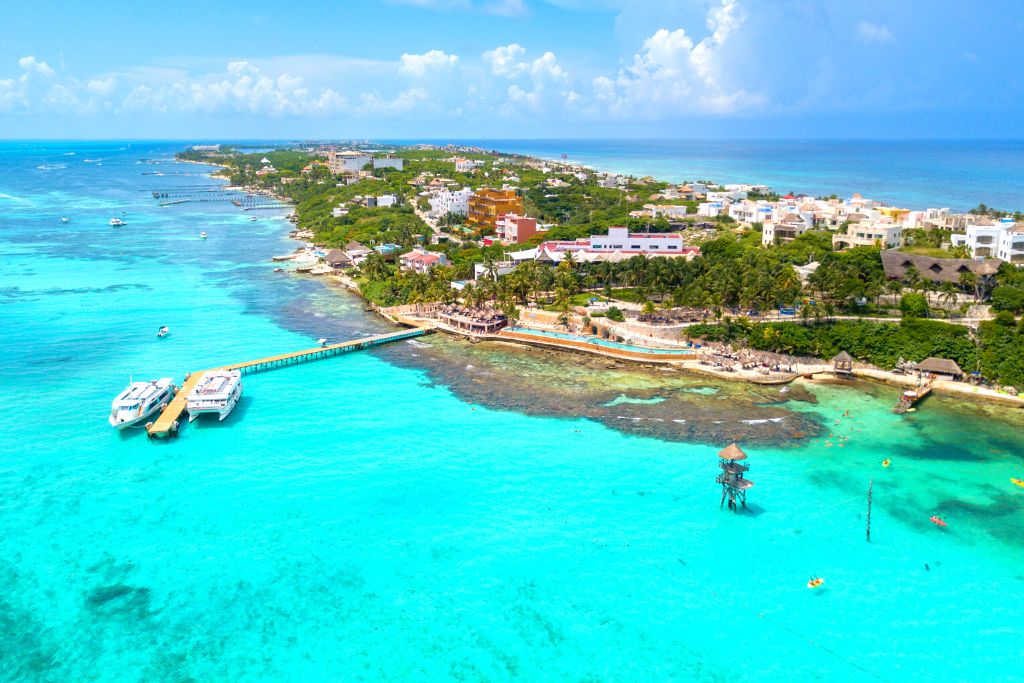
⭐️ Rating: 4.7/5.0 (127 Reviews) Price: $99.00+ per person Duration: 7 hours 📍Meeting Point: Embarcadero Isla Mujeres by Xcaret Details: Read more on Get Your Guide Now!
If you’re looking to spice up your Yucatán itinerary with a perfect blend of ocean adventure, tropical chill, and all-day fun, this Isla Mujeres catamaran day tour is an absolute must.
Since you’re starting your trip in Cancún, this 7-hour cruise delivers the kind of magic you travel for: crystal-clear waters, vibrant reefs, an easygoing island vibe, and plenty of sun-soaked fun.
After all, Isla Mujeres (Spanish for “Island of Women”) might just be one of the most beautiful and underrated stops on Mexico’s Caribbean coast.
Unlike Cancún’s high-energy resorts, Isla Mujeres is a laid-back island with tons of charm. Think cobblestone streets, pastel-hued shops, local eateries, and sweeping sea views from dramatic cliffs.
What makes this particular catamaran tour so special is that the journey is just as epic as the destination.
Picture this: you’re sailing across turquoise waters on a 3-story catamaran with a bar, DJ, diving board, water slide, and a sun deck built for lounging.
The vibe is upbeat but relaxed, ideal for couples, friends, or solo travelers looking to connect with others.
Your day kicks off with a cruise along Cancún’s stunning coast, followed by a stop at Meco Reef. It’s a snorkeler’s dream and is filled with vibrant coral reefs and curious tropical fish.
Dive straight in from the boat’s diving board or make a splash down the two-story water slide.
Whether you’re a snorkeling newbie or a fish-whispering pro, guides are there to help make your underwater experience incredible.
Then, it’s time to refuel with lunch onboard while soaking in the sunshine and sea breeze.
Next, the boat drops anchor at Isla Mujeres, where you get two full hours to explore the island at your own pace.
“Everybody was amazing with me and my children. Made it an enjoyable experience for all ages. Definitely recommend.”
Hollie (read more reviews now)
Wander through the boutique shops, sip a margarita by the beach, or rent a golf cart to check out the island’s cliffs and hidden gems.
You have the freedom to explore without rushing around, and that is what makes this tour so personal and memorable.
As you cruise back to Cancún, the energy turns up a notch. Grab a drink, hit the dance floor, and enjoy the DJ spinning tunes as the sun begins to dip beneath the horizon.
If you’re looking to experience the Caribbean coast in full color, this Isla Mujeres catamaran tour is your golden ticket.
It’s effortlessly fun, surprisingly scenic, and a solid reminder of why you came to the Yucatán in the first place. Sun, sea, island vibes, and zero stress. What more could you ask for?
Expert Tip: I prefer Holbox to Isla Mujeres because it’s a bit less crowded and the beaches are awesome. The vendors also aren’t as pushy, and I found my stay here a bit more relaxing.
Because the island doesn’t allow cars. So, it’s not really a great Yucatan road trip destination since parking in Chiquila is annoying and can get expensive.
However, if you want to spend a few days on the island (I highly recommend this if you have the time), you can take an ADO bus from Cancon to Chiquila and then catch the ferry to Holbox from there.
There’s no use spending money on a car since you can’t use it on the island. But Holbox is lovely and you could easily spend 3 or 4 days here if you have the time.
Then, just pick up a rental car once you get back to Cancun. I also would NOT do a day trip from Cancun to Holbox since it will be a very long and tiring day.
Day 3: Pick Up Your Rental Car and Drive to Valladolid


Drive Time: 1 hour 45 minutes (161 Kilometers)
Where to Stay: Try Le Muuch Hotel Boutique. It’s an elegant boutique hotel that is just two blocks away from the city center. They have a parking service on a nearby secured street and have lovely decor, good breakfast, and a stylish vibe.
Alternatively, Colonté Hotel Origen is another great boutique hotel located just off Calzada de los Frailes. So, the location is perfect for strolling and shopping. They also have a peaceful courtyard with a cool pool and bar.
Let’s leave the chaos of Cancún behind and head inland to Valladolid. Not gonna lie, it’s one of my favorite cities in the region and sits at the cultural heart of the Yucatán.
The drive is smooth, scenic, and straightforward. In total, it’ll take about 2 hours on Highway 180D, a well-maintained toll road that cuts through lush lowland jungle.
It’s easy to navigate, and relatively quiet traffic makes it a calm start to your inland road trip.
You’ll pay a toll or two, so have pesos or a card handy, and consider fueling up in Cancún or at one of the rest stops along the way.
Once you arrive in Valladolid, a colorful colonial town full of character, check into your centrally located hotel and head straight for the main square (Parque Principal Francisco Cantón Rosado).
This leafy little plaza is the town’s social heart and is a perfect place for people-watching, snapping photos, or grabbing a paleta (Mexican popsicle) to cool off.
Right across the street is Iglesia de San Servacio, a striking 16th-century church with a dramatic facade that dominates the skyline.
Afterward, make a detour to Casa de los Venados. It’s a private home and folk art museum that sits just steps away from the main square.
The owners offer daily guided tours where you’ll see one of the largest private collections of Mexican folk art in the country. It’s vibrant, eclectic, and a true hidden gem.
Please note that this is a privately owned home and museum. So, to visit, you’ll need to join a tour that departs hourly any time between 10:00 am and 1:00 pm.
For lunch, stop at El Mesón del Marqués, a classic Yucatecan restaurant located in a historic mansion right on the square. Grab a table on the terrace and try dishes like cochinita pibil or lomitos de Valladolid.
Afterward, wander down the charming Calzada de los Frailes, a cobblestone street lined with pastel buildings, artisan shops, and cafes.
This leads to Convento de San Bernardino de Siena, a sprawling former monastery that tells centuries of colonial history.
You can tour the grounds during the day and return later for its colorful nighttime light show, which tells Valladolid’s story through vivid projections.
The show usually starts at around 9:00 pm in Spanish and 9:30 pm in English.
For a refreshing late afternoon break, head to Cenote Zací. This open-air cenote is right in the middle of town and is part natural wonder, part urban oasis.
Swim beneath hanging vines and limestone overhangs in cool, clear water. It’s the perfect way to beat the Yucatán heat without leaving town.
End your day with dinner at Yerbabuena del Sisal (near the convent), known for its fresh, healthy dishes and garden seating.
Then head back to San Bernardino to catch the light show. It’s a fitting end to a day that blends culture, history, and a touch of magic.
Day 4: Visit Chichen Itza from Valladolid


Visiting Chichén Itzá from Valladolid is one of the most rewarding day trips you can take in the Yucatán. Plus, thanks to its close proximity, it’s also one of the easiest.
The drive is just under 45 minutes via Highway 180, a well-paved and direct route through small villages and jungle-lined roads.
To make the most of your visit, leave Valladolid by 7:00 am and aim to arrive right at opening time (8:00 am).
This gives you a head start on the crowds and the heat, allowing you to experience the ruins in a more peaceful way.
Once inside, prepare to be awed by the scale and significance of this UNESCO World Heritage Site.
El Castillo (Temple of Kukulcán) is the star of the show since it’s an iconic pyramid that doubles as an ancient solar calendar.
Be sure to clap near the base and hear the strange bird-like echo, a design feature that continues to impress visitors and archaeologists alike.
From there, wander through the Great Ball Court, the Temple of the Warriors, and the Observatory (El Caracol).
There’s a lot to take in, so plan to spend between 2 to 3 hours at the site. This way you can enjoy everything at a relaxed pace.
Guides are available at the entrance if you want a deeper understanding of the history and symbolism. However, this is some signage available in English if you don’t feel you need a guide.
After the ruins, you’ll probably be ready for a break. Just a few minutes away is Cenote Ik Kil, one of the most famous and photogenic cenotes in the region.
This massive sinkhole is surrounded by hanging vines and waterfalls, with a deep, swimmable pool at the bottom. It’s a refreshing contrast to the heat and dust of the ruins.
Ik Kil also has changing rooms and lockers, making it easy to take a dip before heading to lunch.
For a casual, satisfying meal nearby, stop at the Ik Kil restaurant, which serves a decent buffet of Yucatecan staples.
If you prefer something more local, consider driving a bit further to Pueblo Maya or Los Mariscos de Chichén on the way back to Valladolid for a quieter, less touristy lunch.
After your cenote swim and meal, make your way back to Valladolid, arriving mid-to-late afternoon. It’s the perfect time to rest at your hotel or take a short walk around town.
For dinner, treat yourself to a meal at IX CAT IK, a restaurant just outside the center that’s deeply rooted in Mayan culinary traditions.
Dishes are prepared using ancestral techniques, and the service is warm and informative. It’s a great way to reflect on everything you saw earlier in the day.
Day 5: Drive to and Explore Izamal


Drive Time: Around 2 hours (130–140 kilometers)
Where to Stay: I really enjoyed my stay at Buenos Dias Izamal. It’s quiet, has a nice pool, and the staff are super lovely. I also like that there is a small kitchen so that you can cook if you like.
The price is also super reasonable, and I would happily stay here again if I were in the area.
The drive from Valladolid to Izamal typically takes about 1 hour and 45 minutes, covering roughly 130 kilometers along scenic rural highways.
As you approach Izamal, the town’s signature glow will astound you since nearly every building in the historic center is painted a vibrant mustard yellow, giving it the nickname La Ciudad Amarilla (The Yellow City).
Start your day by climbing Kinich Kakmó Pyramid, one of the largest pyramids by base area in Mexico.
It’s free to enter and right in the middle of town. Though less excavated than other sites, its height offers stunning panoramic views of Izamal and the surrounding countryside.
Just take your time on the way down since the steps are a bit uneven.
From there, walk over to the town’s spiritual centerpiece, the Convento de San Antonio de Padua.
Built atop a former Mayan temple platform, the convent is both peaceful and historically significant.
Its enormous atrium is second only to the Vatican’s in size, and the inside holds centuries of Catholic and colonial history.
In fact, Pope John Paul II visited in 1993, and the convent remains an important pilgrimage site today.
Next, visit the Centro Cultural y Artesanal just across the street, located inside a restored colonial mansion.
This small museum showcases traditional Yucatecan art and local crafts, giving insight into the region’s cultural identity beyond the ruins and churches.
There are often artists working onsite, and it’s a great place to pick up handmade Mexican souvenirs.
As you explore, take time to wander Izamal’s cobblestone streets, admire the colonial facades, and soak in the slow pace.
Horse-drawn carriages line the plaza, and street vendors sell everything from ice cream to embroidered blouses. The town is quiet, walkable, and feels worlds away from the crowds of bigger cities.
For lunch, head to Kinich Restaurant, a local favorite just a short walk from the center. It’s housed in a rustic, open-air space with traditional Yucatecan dishes cooked in wood-fired ovens.
Don’t miss their poc chuc (grilled pork) or relleno negro (turkey in black chile sauce). The atmosphere is relaxed, the portions generous, and the flavors authentic.
Spend the afternoon browsing small artisan shops or relaxing in the main plaza. If you’re still around for dinner, try Restaurant Zamná, a cozy spot with traditional cuisine and friendly service.
Their lime soup and panuchos are excellent, and the setting is just as charming after sunset when the yellow buildings take on a soft golden glow.
Izamal may be small, but it leaves a lasting impression. Spend the evening relaxing by the pool and get ready to head out early the next day.
Day 6: Drive to and Explore Merida


Drive Time: 1 hour (67 kilometers)
Where to Stay: I felt like a queen while staying at Hotel Hacienda Mérida VIP. It has an elegant colonial charm, peaceful ambiance, and unbeatable location just steps from Mérida’s historic center.
With secure parking, a tranquil courtyard pool, and personalized service, it’s the perfect retreat after a day of exploring the city.
Alternatively, Hotel Doralba Inn is a great option if you’re on a budget. They have clean, comfortable rooms, a refreshing pool, and are a short walk from the historic center.
With free on-site parking, it’s ideal for road trippers and travelers who want convenience without overspending.
After soaking in the golden charm of Izamal, the drive to Mérida offers you a smooth transition from small-town serenity to the vibrant energy of the Yucatán’s cultural capital.
The journey takes about 1 hour and 15 minutes (roughly 70 km) via Highway 180 west, passing through small villages and open countryside.
As you arrive in Mérida, the colonial architecture, tree-lined boulevards, and energetic plazas make it clear you’re in a great city.
That being said, temper your expectations. Everyone hyped Merida up for me to the point where I wanted to live here. However, I thought the city was just okay and thought two days was enough time here.
Start your day at Plaza Grande, the city’s central square and a lively hub surrounded by historical buildings.
Relax on a shady bench and people-watch or explore the surrounding highlights.
Just across the plaza stands the Catedral de San Ildefonso, the oldest cathedral on the mainland Americas, built with stones from ancient Mayan temples.
Step inside to admire its towering arches and quiet, cool interior.
Next door is the Casa de Montejo, a 16th-century mansion once home to the family of Mérida’s Spanish conqueror.
Now a museum, it gives you a glimpse into colonial life with period furnishings, original architecture, and rotating art exhibits. Best of all, it’s free to enter.
As lunchtime nears, walk over to the nearby Lucas de Gálvez Market, one of the most authentic places to eat in Mérida. Here, vendors serve up regional specialties like sopa de lima, salbutes, and cochinita pibil.
If you’d prefer a sit-down meal, head to La Chaya Maya nearby, known for traditional Yucatecan dishes served in a charming courtyard setting.
After lunch, take a short stroll to the Museo Casa de la Ciudad, a lesser-known gem focused on Mérida’s urban development, architecture, and identity.
Small but thoughtfully curated, this museum helps you understand how the city evolved and what makes it so unique today. It’s quiet, free, and a great way to step out of the heat for a bit.
Later in the afternoon, head north to the iconic Paseo de Montejo, Mérida’s grand boulevard inspired by the Champs-Élysées.
Lined with elegant mansions, leafy sidewalks, and cafes, it’s perfect for a leisurely walk.
Along the way, stop at Palacio Cantón, a striking mansion-turned-museum, or simply admire the stunning facades.
If you want a cool treat, pop into Pola Gelato for inventive local flavors like mamey or guanábana.
As evening sets in, make your way back toward the historic center for dinner. Apoala, located right on Santa Lucía Park, blends Oaxacan and Yucatecan cuisine in a modern, stylish setting.
Sit outside if you can, since there’s often live music in the square, making for a perfect evening in Merida.
Expert Tip: Spend some time wandering around the perimeter of Plaza Grande. There are a TON of free museums here, and they contain some really nice art and cultural artifacts.
Day 7: Day Trip to Uxmal from Merida


A day trip from Mérida to Uxmal is one of the most rewarding experiences in the Yucatán.
After all, this epic trip combines ancient ruins, local culture, and natural beauty into a single, unforgettable adventure. T
he drive is easy and scenic. Just head south on Highway 261, and in just 1 hour and 15 minutes (about 80 km), you’ll arrive at Uxmal.
It’s one of the most impressive and well-preserved Maya archaeological sites in Mexico. Added bonus? It’s highly underrated, and you won’t have to deal with crowds.
Now, Uxmal is known for its elegant Puuc-style architecture, with detailed stone carvings and curving facades that set it apart from other Mayan sites like Chichén Itzá.
The Pyramid of the Magician, the tallest structure on site, is the first thing you’ll see. Its rounded base and steep incline are visually stunning.
Climb the Nunnery Quadrangle for sweeping views and explore the Governor’s Palace, one of the finest examples of Mayan stonework.
Unlike many crowded ruins, Uxmal is peaceful, expansive, and atmospheric. Allow for between 2 and 3 hours to wander, take photos, and soak it all in.
Afterwards, visit Choco-Story Uxmal. It’s right across the street and is a small, yet engaging, museum about the history of chocolate in Mayan culture.
Walk through jungle paths between open-air pavilions that explore cacao’s sacred role in ancient rituals and the nuances of modern production.
Don’t miss the live Mayan ceremony held several times a day, since it’s equal parts authentic and moving. You can also sample traditional-style chocolate drinks in the café.
By now, you’ll probably be ready for lunch. Just steps from the entrance is Restaurant El Mayaland, which serves solid Yucatecan dishes in a relaxed setting with garden views.
Try the pollo pibil or queso relleno with a cold agua fresca or beer. For a more casual option, there are small roadside eateries all along the highway that serve tacos, salbutes, and fresh juices.
After lunch, head back toward Mérida but stop about 45 minutes along the way at the Cenotes of Santa Bárbara in Homalá.
This eco-tourism site features three stunning cenotes, each unique in shape and depth. You can choose to visit by bike or horse-drawn cart (truk), and swim in crystal-clear waters surrounded by limestone walls.
The facilities are clean, well-managed, and ideal for relaxing after a day of exploring ruins. Plan to spend up to 2 hours here if you want to swim in all three.
From Santa Bárbara, it’s a smooth 1-hour drive back to Mérida, where you can unwind with a relaxed dinner at a local favorite like Manjar Blanco or Rosas & Xocolate.
Day 8: Drive to and Explore Campeche


Drive Time: 2 hours and 15 minutes (176 kilometers
Where to Stay: Hotel Plaza Colonial sits just two blocks away from the historic Campeche Cathedral and offers free private parking. It also has a relaxing outdoor pool, making it a charming place to stay.
Meanwhile, Hotel Francis Drake combines colonial-style with a super‑convenient location near the Malecón. It’s also secure and has great onsite parking.
The drive from Mérida to Campeche takes just over 2 hours via Highway 180. It’s generally a smooth and scenic route through quiet villages with rolling greenery.
As you approach the coast, the pastel colors and fortified walls of Campeche’s old town come into view and make you feel as though you are going back in time.
Start your day at Plaza de la Independencia, the city’s tranquil main square. Grab a coffee from a nearby café and admire the grand Catedral de Nuestra Señora de la Purísima Concepción.
It’s a 17th-century baroque cathedral standing proudly over the plaza.
Just across the street is Casa No. 6, a restored colonial mansion that offers a glimpse into aristocratic life during the 1800s, complete with antique furnishings and tiled floors.
From there, wander down Calle 59. This is Campeche’s most photogenic street since it is lined with colorful colonial buildings, palm trees, and sidewalk cafes.
It stretches from the Puerta de Tierra (Land Gate) to the Puerta del Mar (Sea Gate) and is a great place to walk around.
Next, stop at the Museo de Arquitectura Maya inside Puerta de Tierra, one of the city’s original gates.
The museum showcases Puuc and Río Bec architectural styles, but the real treat is climbing the city walls.
After all, Campeche is one of the few cities in the Americas that is still enclosed by colonial fortifications.
So, walking the ramparts gives you a panoramic view of the old town as well as bell towers and the sea beyond.
For lunch, stop by Marganzo. It’s a long-time local favorite serving traditional Campechano dishes like pan de cazón (layered tortillas with fish and black beans) and camarones al coco.
It’s casual, centrally located, and is a perfect place to refuel before starting your afternoon.
When you’re done with your meal, take a short drive to Fuerte de San Miguel, a hilltop fort that once guarded Campeche from pirate attacks.
The fort itself is impressive, but the highlight is its excellent Mayan archaeology museum, since it features artifacts from nearby sites like Calakmul and Edzná.
The views from the top are also epic because you have the jungle on one side and the ocean on the other.
Then, if time allows, head a bit farther south along the coast to Playa Bonita. This is a quiet beach where locals swim, stroll, or nap under palapas.
The calm waters make it a great spot for a quick dip or just to relax for an hour before heading back to town.
As evening approaches, return to Campeche to catch the sunset along the Malecón, the city’s seaside promenade.
You’ll see locals jogging, riding bikes, or simply enjoying the view. Join them and let the ocean refresh you after a long day of sightseeing.
End your day with dinner at La María Cocina Peninsular. This cozy spot serves up creative twists on Yucatecan classics.
Alternatively, Luz de Luna is a nice rooftop restaurant that is perfect if you want one last look at Campeche’s glowing streets and starry sky.
Day 9: Day Trip to Edzná


Spending a second day in Campeche means that you can dive deeper into the region’s rich history and soak up even more of its coastal charm.
Start your morning with an early drive to the archaeological site of Edzná, about 45–50 minutes southeast of Campeche via Highway 180.
The road is easy and scenic, winding through small towns and past lush jungles until you reach one of the most impressive but lesser-visited Mayan ruins in the Yucatán.
Edzná is a peaceful, open-air site surrounded by jungle, where you’ll often share the grounds with more iguanas than tourists.
The main structure, the Temple of the Five Stories, rises dramatically above the plaza and provides stunning views if you climb to the top.
Take your time exploring the various plazas, ball courts, and temples, and keep your eyes peeled for intricate carvings and ancient water systems that show off the Mayan’s engineering brilliance.
Plan to spend around 2 hours at the site before heading back toward Campeche.
On your return way back to Campeche, stop for lunch at Los Portales de San Francisco. It’s a chill little spot in the nearby town of Chiná.
This local hot spot serves hearty Yucatecan dishes like pollo pibil, longaniza asada, and empanadas de cazón, all with relaxed tables on a shaded patio.
If you prefer to wait until you’re back in town, La Pigua is a great alternative. It’s well-known for its fresh seafood, especially the shrimp in coconut or tamarind sauce.
After lunch, make your way to Fuerte de San José el Alto. This fort sits on a bluff overlooking the Gulf of Mexico and is small but well-preserved.
In fact, it once served as a key part of Campeche’s coastal defenses and now houses the Museo de Barcos y Armas.
Highlights include ship models, cannons, and maritime artifacts. However, the real highlight is the views from the fort and the sea breeze that makes everything 10,000 times better.
Once back in the city, spend some time at the Centro Cultural El Palacio. It sits the former city hall and has been beautifully restored with a variety of interactive exhibits and murals that bring Campeche’s history to life. Entry is free, and it’s a great way to round out your historical tour of the city.
As the sun sets, head to Apoala on Plaza Santa Lucía for creative Oaxacan-Yucatecan fusion dishes in a lively outdoor setting.
End your evening at the Plaza Principal, since this is where you can see the video mapping light show.
It transforms the cathedral’s facade into a dazzling display of color and beautiful storytelling.
Projected around 8:00 or 9:00 PM, the show tells the story of Campeche, from its ancient Maya roots to its colonial conquest.
Day 10: Drive to Bacalar


Drive Time: Almost 5 hours (380 Kilometers)
Where to Stay: Hotel Aires Bacalar sits just a block away from the lagoon and is within walking distance of the town center.
It’s a creative boutique hotel with colorful mural‑inspired decor, a refreshing pool, and free on‑site parking.
Alternatively, Casa Bakal is a charming lakeside retreat with private bungalows, direct lagoon access, complimentary kayaks and paddleboard rentals, and an on‑site restaurant and bar.
It’s a perfect balance of relaxation, social atmosphere, and practical parking for road‑trippers.
In total, the drive from Campeche to Bacalar takes around 5 hours (approximately 380 km), making it a scenic but manageable road trip across the Yucatán Peninsula.
You’ll travel mostly along Highway 186, passing through small towns and stretches of lush jungle.
To get the most out of your day, leave Campeche early in the morning so you can arrive in Bacalar by lunchtime, ready to dive into the town’s famously clear, turquoise waters.
Bacalar, known as the “Lagoon of Seven Colors,” is a laid-back paradise that instantly feels like the perfect reward after a long drive.
Start your visit with lunch at Mango y Chile, a breezy vegetarian café perched above the lagoon with stunning views and a menu filled with delicious plant-based burgers, smoothies, and snacks.
It’s casual, friendly, and a great spot to relax and fuel up before hitting the water.
Now it’s time to experience what Bacalar is all about: the lagoon. Head to one of the public access points or book a spot at a local beach club like Los Aluxes, since you’ll go to Cocalitos tomorrow.
Both have swimming areas, hammocks over the water, and a relaxed vibe. You can also rent a kayak or paddleboard if you want to explore the lagoon’s shifting blues.
Back on land, take a stroll through Bacalar’s small but colorful town center, stopping by the San Felipe Fort for panoramic views of the lagoon and insight into the town’s pirate-plagued history.
From here, the main plaza is just steps away, where you’ll find artisan shops, ice cream vendors, and a peaceful, local vibe that contrasts sharply with busier towns in the Riviera Maya.
As the sun descends across the sky, make your way to Nixtamal, one of Bacalar’s best dinner spots
With a focus on modern Mexican cuisine that is made using local ingredients and traditional techniques, it’s the kind of place that surprises you with every dish.
Day 11: Bacalar


If you feel up to it, start your day early with sunrise over the Lagoon of Seven Colors. The water is still, the colors are soft and layered, and it’s pure magic.
If you’re staying at a hotel with lagoon access, grab a coffee and enjoy the view from the dock.
By 8:00 or 9:00 AM, head out for a sailing or pontoon boat tour of the lagoon. Most tours last 2–3 hours and take you to Cenote Negro, Cenote Esmeralda, the Pirate Channel, and Bird Island.
These guided tours are a peaceful, motor-free way to experience the water’s vivid blues and learn about the lagoon’s ecology.
Some even include a float in the shallow, sandy-bottomed areas. It’s basically like nature’s spa.
After your tour, it’s time for lunch at La Playita, a shady, laid-back restaurant right on the lagoon.
Grab a seat under the palms, order a fish taco or grilled octopus, and sip a fresh juice or margarita while watching paddleboarders drift by.
Once you’re full, spend the early afternoon doing what Bacalar does best—nothing. Head to Cocalitos, a casual eco beach club where hammocks hang over the water and the vibes are ultra chill.
This spot is also home to stromatolites—ancient living rock-like formations—so be sure to admire them without touching.
When you’re ready, dry off and head into Bacalar town if you haven’t already. Visit the Fuerte de San Felipe and wander through the artisan shops around the square.
For dinner, try Kai Pez since they serve seafood by the water and have some great food on offer.
Day 12: Drive to Tulum


Drive Time: 2.5 hours (215 kilometers)
Where to Stay: We really liked Aloft Tulum. The rooftop pool offered sweeping views of the ocean, and our room was super comfy. I just wish the hotel were a touch closer to the town center.
It is also very well-priced considering the level and caliber of service you receive.
Meanwhile, Motto by Hilton Tulum blends modern comfort with convenience in Aldea Zamá. It has a rooftop infinity pool with cabanas, two on-site restaurants, a spa, a fitness center, and free private parking.
Yup, you get all this for just $100 per night, which I think is a total steal.
Spending a day in Tulum after a scenic morning drive from Bacalar is the perfect way to blend ancient history, beach time, and vibrant food culture.
The drive is around 2.5 hours along Highway 307 north, passing through small towns and lush jungle landscapes.
Leave Bacalar after breakfast so you arrive in Tulum by early afternoon, just in time to explore and enjoy the best that this trendy coastal town.
Once you arrive in Tulum, head straight to the Tulum Archaeological Zone, one of the most iconic Mayan ruins since they are perched dramatically on a cliff overlooking the Caribbean Sea.
The site opens at 8:00 AM, but it’s still worth visiting in the afternoon when the crowds thin out. Wander through ancient temples like El Castillo and take in the sweeping ocean views.
After all, this is one of the few archaeological sites in Mexico with such a stunning coastal backdrop. Don’t forget water (no plastic bottles allowed), sunscreen, and your camera.
After the ruins, it’s time to cool off. Just below the cliffs is Playa Ruinas, a small beach you can access directly from the site.
If it’s open, take a refreshing swim right beneath the ancient walls since it’s an unforgettable experience.
Alternatively, head to Playa Paraíso, one of Tulum’s most beautiful public beaches with soft sand, palm trees, and calm turquoise water perfect for a lazy afternoon.
By now, you’ll be more than ready for lunch. Head into town and grab a table at Taqueria Honorio, a beloved local spot famous for its cochinita pibil tacos and handmade tortillas.
It’s casual, affordable, and full of flavor, exactly what you need after a beachside adventure. If you don’t feel like leaving the beach, then just head to CINCO beach club in Tulum and grab a meal there.
In the late afternoon, take a stroll or bike ride around Aldea Zamá or Tulum Pueblo for some light shopping and a glimpse into the town’s laid-back vibe.
You’ll find everything from artisanal crafts and handmade jewelry to organic skincare products and stylish boutiques.
As the sun starts to set, make your way toward Tulum’s beach road for dinner at Trattoria Romana Tulum, a mid-range Italian restaurant tucked in the jungle, complete with twinkling lights and freshly made pasta.
Wrap up your day with a drink at a rooftop bar like Mateo’s or Batey Mojito Bar in town, where you can enjoy live music and a laid-back vibe.
Expert Tip: Do NOT visit Tulum during seaweed season (April through October). The beach looks and smells nasty and is not swimmable at this time of year.
Day 13: Explore Tulum


After exploring Tulum’s beaches and ruins, get ready for a full day of cenotes, jungle vibes, and great food.
Your first stop should be Cenote Calavera, just a few minutes from Tulum town.
This small but unique cenote—nicknamed the “Temple of Doom”—features a large main hole and two smaller ones you can jump through, with a ladder leading into the cool, clear water below.
The semi-open cave-like atmosphere makes it a fun and a slightly mysterious swim spot. Arrive early (they open around 9:00 AM) to beat the crowds and have the place more to yourself.
After about an hour or so, continue on to Cenote Cristal and Cenote Escondido, located just across the highway from one another.
These open-air cenotes are surrounded by jungle, providing you with a peaceful setting for swimming or lounging on the rocks.
They’re not as crowded as some of the more famous cenotes in Tulum, which makes them perfect for a relaxing late morning dip.
By midday, head back into town for lunch at DelCielo, a fresh and stylish café known for its smoothies, salads, and hearty brunch plates.
Their tropical ceviche and chicken sandwich are my faves, and the breezy open-air setting makes it easy to linger a while before heading back out.
In the afternoon, visit SFER IK Uh May since it’s a stunning fusion of art, nature, and architecture.
Nestled in the jungle about 25 minutes outside of town, this immersive art space feels like stepping into a dream with organic curves, natural materials, and massive installations that blend seamlessly into the natural surroundings.
Whether you’re an art lover or just appreciate beautiful design, wandering barefoot through its sculptural halls is a one-of-a-kind experience.
It’s a peaceful, sensory break from Tulum’s busy beach scene and a perfect stop for inspiration and reflection during your day. Just do not go to the one IN TULUM since it is not the same.
Afterward, spend the late afternoon exploring Tulum Pueblo.
It’s not super aesthetic, but you can browse at artisan shops, sip a cold drink at a local café, or pick up handmade souvenirs and eco-friendly goods.
Tulum’s town has a more grounded, bohemian vibe than the beach zone, and it’s a great place to slow down and soak up some local color.
For dinner, head to Safari Comedor Zama, a jungle-style open-air restaurant in Aldea Zama known for its flavorful Mexican dishes cooked over an open flame.
The vibe is relaxed but stylish, with glowing lanterns, rustic wood tables, and excellent mezcal cocktails.
Try the grilled fish tacos or their homemade guacamole, and end your meal with a slice of their delish cheesecake.
Day 14: Enjoy Tulum Before Heading Back to Cancun


Drive Time: 1 hour and 45 minutes (116 kilometers)
On your final morning in Tulum, squeeze in a few last moments of relaxation before hitting the road.
If you have time, consider a quick visit to a nearby cenote like Gran Cenote or Cenote Cristal. Both are just a few minutes from town and easy to explore in under an hour.
A quick swim is the perfect way to end your time in Tulum on a refreshing note.
The drive from Tulum to Cancún International Airport ahould take around 1 hour and 45 minutes to 2 hours, depending on traffic and your terminal.
Take Highway 307 north, a well-maintained and straightforward route that runs up the coast, passing through Playa del Carmen.
Make sure to leave at least 4–5 hours before your flight to account for rental car drop-off and airport security, especially if you’re flying internationally.
Drop your rental car at the airport (most major companies have locations right near the terminals), and you’ll be ready to catch your flight after a beautiful road trip through the Yucatan.
Map of this Yucatan Road Trip


Conclusion
After countless road trips through the Yucatán, I can say without hesitation that this region never gets old.
Whether it’s the turquoise swirl of Bacalar’s lagoon, the golden glow of Izamal at sunset, or that first bite of cochinita in a sleepy pueblo, every stop feels like a new discovery.
The beauty of a Yucatán road trip is that it isn’t just about the destinations, it’s about the winding jungle roads, the friendly roadside vendors, and the freedom to chase cenotes and ruins on your own terms.
So pack a bag, grab the keys, and get going because your best-ever Yucatán adventure is waiting. And trust me, you’ll want to do it all over again.


